House prices remain sluggish in subdued property market
Key Takeaways
- •Nationwide said UK house prices rose 0.2% in August compared with the previous month.
- •Average UK house prices were 1.6% higher year on year in August at £275,465.
- •Uncertainty linked to the Iran war has helped keep mortgage rates and market activity subdued.
- •Zoopla said the average homebuyer is paying £18,400 more toward a mortgage than in January.
- •Nationwide said easing private-sector wage growth may give the Bank of England room to hold rates steady.
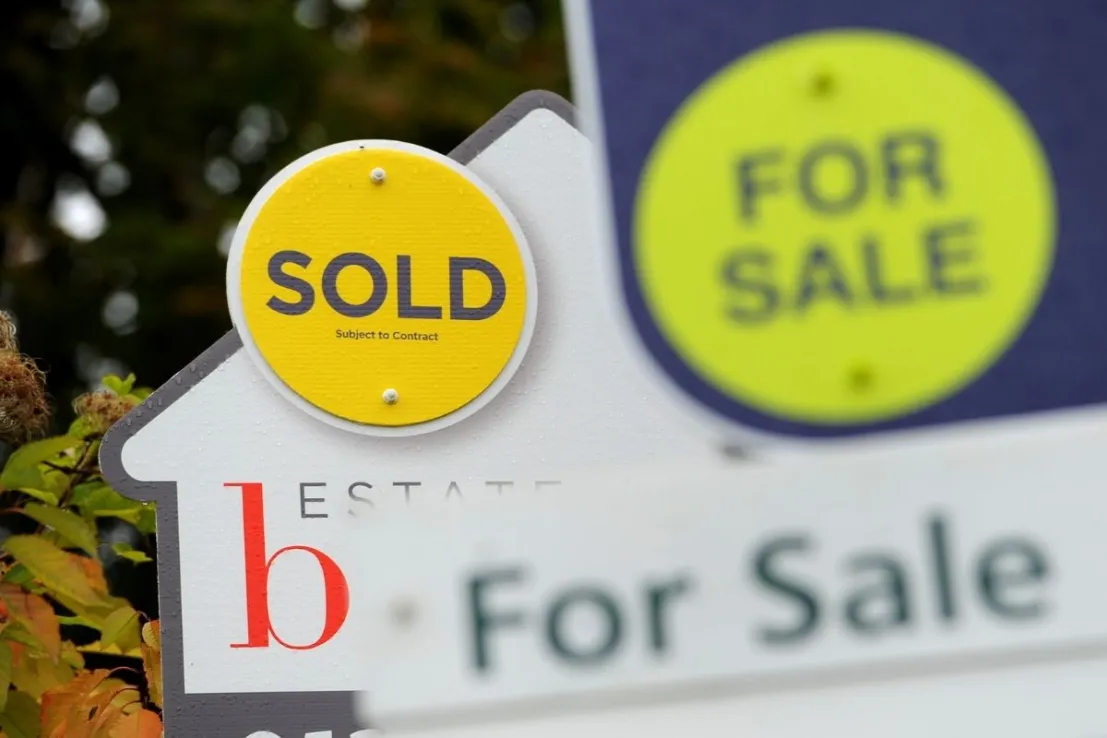
House prices continued their sluggish run in August, rising just 0.2 per cent from the previous month as uncertainty linked to the Iran war and the Budget due in October weighed on the market.
The average UK house price increased by 1.6 per cent year on year to £275,465 in August, according to Nationwide’s house price index. That was a modest improvement on July, when annual growth stood at 1.4 per cent.
Britain’s housing market has seen anaemic growth so far this year, with the Iran war helping to keep interest rates higher for longer, pushing up mortgage costs and weakening consumer confidence. For buyers and sellers alike, the combination of higher borrowing costs and policy uncertainty has kept activity subdued, leaving the market sensitive to signals from the Bank of England and the Treasury.
“Market activity and house prices have remained subdued in recent months, in part reflecting the uncertain economic backdrop,” Nationwide chief economist Robert Gardner said.
He added that the geopolitical tensions appear unlikely to ease soon. On Monday, Iran said diplomacy with the US “isn’t possible” after Washington launched a fresh round of strikes.
“The conflict in the Middle East [is] exerting upward pressure on energy prices and market interest rates,” Gardner said.
According to Zoopla, higher mortgage rates driven by the war have meant the average homebuyer has had to contribute £18,400 more to a mortgage than in January.
Households brace for Budget
Gardner also said there are “encouraging signs” that inflation linked to the Iran war may not be severe enough to force the Bank of England to raise interest rates.
“Private sector wage growth has eased further in recent months, which should give policymakers breathing space to assess the extent to which tighter policy is necessary to ensure inflation returns sustainably to target,” he said.
Nathan Emerson, chief executive of the estate agency trade body Propertymark, said the UK property market is showing “stability and overall consistency” despite elevated global uncertainty.
He said: “Across the year to date, there have been many challenges to navigate, with average energy prices climbing, inflation still higher than targeted and the base rate remaining higher than many might prefer.
“A key moment for many households will come with the next base rate decision due mid-month, closely followed by what might be included in the forthcoming Autumn Budget at the end of October.”
Property experts have warned the government not to repeat the months of speculation around property taxes that preceded last year’s Budget, which helped trigger an extended slump in house prices and market activity.
