UK Records Hottest Day of 2026 as Western Europe Battles Extreme Heat, Wildfires and Drought
Key Takeaways
- •The UK Met Office confirmed a 2026 record high of 38.1°C in west London, narrowly surpassing the previous peak set on June 28.
- •Both Britain and France are experiencing their fifth heat wave of 2026, with French temperatures nearing 41°C across multiple regions.
- •Wildfires have broken out across Europe in areas including the UK's West Midlands and New Forest, northern France's Pas-de-Calais and Brittany, and near Greece's Halkidiki peninsula where over 300 people were evacuated.
- •Britain's Southern Water has applied for a drought order that would ban businesses from nonessential water use, potentially the first such restriction since May 2006.
- •Nurses in UK hospitals have collapsed from heat exhaustion due to inadequate cooling systems in aging medical buildings, according to the Royal College of Nursing.
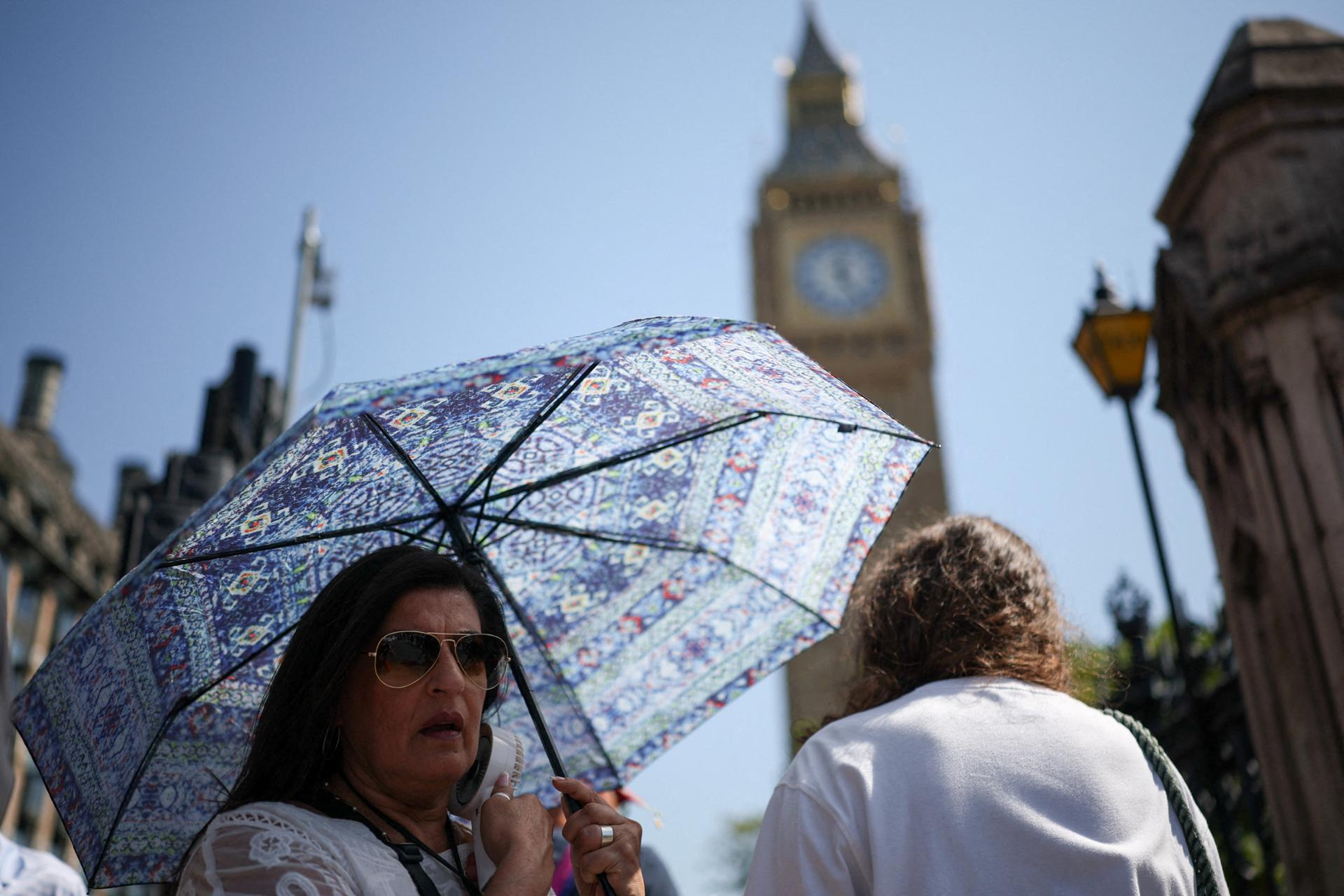
UK Records Hottest Day of 2026 as Western Europe Battles Extreme Heat, Wildfires and Drought
LONDON — The United Kingdom recorded its hottest day of the year on Thursday, with temperatures reaching 38.1 degrees Celsius (100.6 degrees Fahrenheit) in west London, the Met Office confirmed. The reading surpassed the previous 2026 high set on June 28 by a tenth of a degree, though it fell short of the U.K.'s all-time August record of 38.5 C (101.3 F), which has stood since 2003.
The milestone came during a prolonged dry spell that saw multiple fires ignite across the country, as an intense band of hot weather continued to grip much of Europe — a continent that climate scientists have identified as warming at roughly twice the global average rate.
Britain and France Face Fifth Heat Wave of the Year
Britain, like France, is now enduring its fifth heat wave of 2026 — the first having been recorded as early as May. The latest bout of extreme heat has pushed 2026 to a record four days with temperatures of 36 C (96.8 F) or higher. The year has also matched 2022 with two days reaching at least 38 C.
In France, temperatures climbed even higher, approaching 41 C (106 F) in several regions stretching from Aquitaine in the southwest to the Rhone River valley in the east, according to the French national weather service.
In central England, at least two new grass fires erupted in separate areas of the West Midlands, officials reported. Sky News helicopter footage showed multiple homes ablaze in Stourbridge, adjacent to a golf course.
Infrastructure Struggles to Cope
The most intense heat is forecast to shift eastward away from Britain and France on Friday before receding over the weekend.
This summer has underscored that both Britain and France remain poorly equipped for sustained extreme heat. Air conditioning remains rare outside commercial shops and offices — a gap that persists more than two decades after the devastating 2003 European heat wave, which killed an estimated 70,000 people, most of them in France, exposed how unprepared the continent was for extreme temperatures. In Britain, the Royal College of Nursing reported Thursday that nurses have collapsed from heat exhaustion while working in hospitals — many of which are housed in aging buildings with inadequate cooling systems.
"When nursing staff are collapsing, feeling dizzy, sick or even being admitted to the very hospitals they work in because their workplaces cannot handle the heat, it shows just how badly they are being failed," said Nicola Ranger, the college's chief executive and general secretary.
Drought Conditions Worsen
As with much of Europe, Britain and France are confronting widespread drought that has shriveled crops and depleted rivers, intensifying pressure on water supplies for households, agriculture, and ecosystems. The compounding effects of repeated heat waves and sustained rainfall deficits have made it increasingly difficult for reservoirs and aquifers to recover between episodes. Governments and water users are being forced to pursue both short- and long-term measures to mitigate the effects of human-caused climate change.
Britain's Southern Water, which manages supplies across southern England, has applied for a rare drought order that would prohibit businesses from nonessential water use, including vehicle cleaning and the filling of nondomestic swimming pools. The company cited an "exceptional" lack of rainfall threatening reserves. Environment Secretary Angela Eagle will adjudicate the application, which — if approved — would constitute the first such ban since May 2006.
As temperatures soared, many residents sought relief at beaches, outdoor pools, and other cooling spots. In Bordeaux in southwestern France, children and adults flocked to the city's iconic "water mirror," frolicking in fountains, splashing water on their faces, and refilling bottles. Even birds were seen drinking from public water features.
Wildfires Persist Across the Continent
With land parched and no meaningful rainfall in sight, authorities across Britain and France have maintained high alert for wildfires, even as major blazes erupted further south in Europe.
French firefighters, already stretched thin after a grueling summer, have threatened to strike unless they receive additional staffing and resources to cope with increasingly extreme weather. Fires broke out late Wednesday in the northern Pas-de-Calais region and in Brittany — areas far from the hotter, drier, and historically more fire-prone south, reflecting a documented northward shift in wildfire risk zones across the continent. Last month, a historic blaze near Bordeaux consumed vast forest areas and forced the evacuation of a quarter of a million people.
In northern Greece, authorities evacuated more than 300 vacationers and residents by sea on Thursday after a wildfire tore through a pine forest and menaced seaside properties. The Fire Service deployed nine water-dropping planes and seven helicopters in support of 250 firefighters battling the blaze near the Siviri resort on the popular Halkidiki peninsula. No injuries or serious property damage were initially reported.
In Britain, where the landscape is increasingly turning sandy brown instead of its customary green, firefighters have been deployed in force this week to contain a wildfire in the New Forest in southern England. Data from the National Fire Chiefs Council shows that 1,017 wildfires have been recorded in England and Wales so far this year — matching last year's record-breaking total. While not on the scale of those seen in France, Greece, and Spain, these incidents underscore the urgency for the U.K. to adapt to a changing climate.
Officials Consider Ban on Disposable Barbecues
Prime Minister Andy Burnham has indicated he will consider imposing a ban on disposable barbecues given the heightened wildfire risk as extreme heat persists across parts of the United Kingdom.
"I do believe we need to get the message out loud and clear," Burnham said. "People should not be using those barbecues outside at this moment in time."

