Britain's Full Entry Into the CPTPP Marks a Major Economic and Geopolitical Milestone
Key Takeaways
- •The UK gained full access to CPTPP benefits on 1 September, after full membership had been pending an agreement with Canada since the UK signed up in 2023.
- •The CPTPP is the world's largest free trade area excluding the US, China and the EU, with a combined GDP of around £13 trillion, or 14 per cent of global GDP.
- •The UK government estimates CPTPP membership will boost the UK economy by approximately £2bn a year, with supporters emphasising its strategic and long-term value.
- •The UK is now the bloc's second-largest member by GDP behind Japan and is the only member not located on the Pacific Rim.
- •Countries including South Korea and the United Arab Emirates are considering joining the CPTPP, and membership gives UK businesses easier travel arrangements in Canada plus enhanced mutual access to public procurement markets.
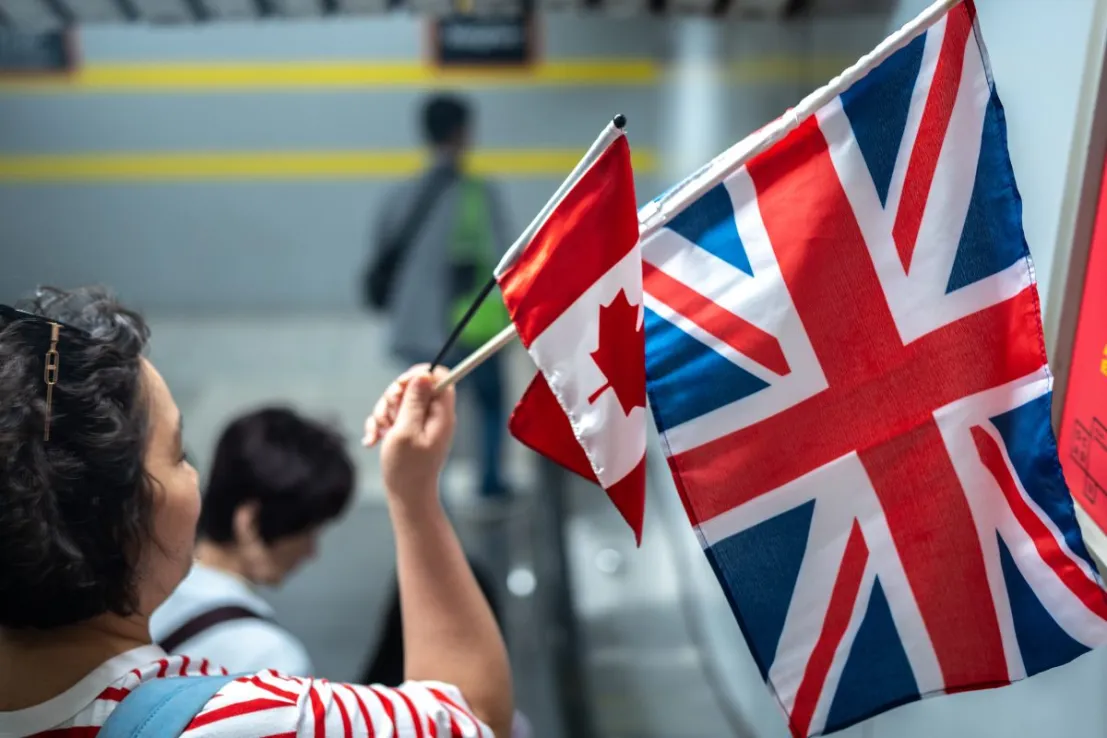
The UK's full accession to the CPTPP — the world's largest free trade area excluding the US, EU and China — is a development that should not be underestimated, writes Alexander Downer, Australia's former Minister for Foreign Affairs.
The past few weeks have been dramatic for global markets, with a trade war erupting between the United States and Canada and a real conflict flaring up in the Middle East. Yet amid that noise, a more profound and positive shift has taken place in the economic and geopolitical landscape. As of 1 September, the UK has gained full access to the benefits of the Comprehensive and Progressive Agreement for Trans-Pacific Partnership (CPTPP).
What is the CPTPP?
The CPTPP is the world's largest free trade area that does not include the US, China or the EU. Its membership instead comprises a diversified group of 'middle power' economies: Canada, Australia, Japan, New Zealand, Singapore, Chile, Mexico, Peru, Malaysia, Brunei and Vietnam.
The agreement has its origins in the Trans-Pacific Partnership, which the United States abandoned in 2017; the remaining members pressed ahead under the CPTPP banner, and the bloc has since attracted interest from prospective new members — making UK accession part of a broader expansion of the grouping.
Writing as Australia's former Minister for Foreign Affairs and former High Commissioner to the UK, Downer argues that the achievement offers far-reaching opportunities for Britain, and puts to rest the idea that leaving the EU meant the UK was retreating into international isolation. Notably, CPTPP accession was one of the flagship trade objectives the UK government set for itself after Brexit as a way of forging new commercial ties beyond Europe.
The grouping's combined GDP stands at around £13 trillion, or 14 per cent of global GDP — nearly as large as the EU's 18 per cent share — and among individual economies it is exceeded only by the US (26 per cent of global GDP) and China (17 per cent).
Policy Exchange, the think tank chaired by Downer, was the first to call for the UK to join the CPTPP, in 2018. The UK signed up in 2023, but full membership had been awaiting an agreement with Canada. As of this week, UK businesses operating in Canada benefit from easier travel arrangements, while businesses in both countries gain enhanced access to each other's public procurement markets.
The economic benefits for the UK
In terms of direct economic benefits, the government estimates that CPTPP membership will boost the UK's economy by around £2bn a year — a modest sum relative to the size of the UK economy, which is why supporters of the deal emphasise its strategic and long-term value as much as its headline numbers. Beyond that figure, as risks around global trade wars intensify, agreements such as the CPTPP help underpin stable trading relationships among countries seeking to diversify their supply chains and exports.
The UK is now the bloc's second-largest member by GDP, behind only Japan, and is the only member country not located on the Pacific Rim. As Policy Exchange has previously argued, the UK's membership is likely to encourage other countries to join over time — a range of nations, including South Korea and the United Arab Emirates, are now considering accession. The combined economy of the group is already outpacing growth in existing free trade zones and could conceivably overtake the size of the EU in the coming years.
The fast-growing manufacturing hubs of Vietnam and Malaysia, including in semiconductors, also offer an alternative to China for like-minded countries diversifying their supply chains in an increasingly uncertain world. From a geopolitical perspective, the UK's membership could also give it increased leverage over the US and China should either country seek to join the CPTPP in the future — an open question, since both Washington and Beijing have at various points signalled interest in the pact.
Opportunities for 'regulatory diplomacy'
The CPTPP also expands the UK's presence in the rapidly developing Indo-Pacific region. As set out in Policy Exchange's landmark Indo-Pacific Commission report of 2020, which was endorsed by former Japanese Prime Minister Shinzo Abe, the region offers a massive market for the UK's world-leading services as well as sizeable opportunities for 'regulatory diplomacy' — helping the UK co-author international rules for emerging technologies and intellectual property. For British services exporters, which account for a large share of UK economic output, access to a fast-growing bloc with common trade rules is a significant long-term consideration.
While long-term issues of this kind tend to take a backseat to the political news cycle and volatility in global markets, the UK's full entry into the CPTPP should not be underestimated. Anchoring the UK economically to one of the largest and fastest-growing regions in the world will help secure Britain's economic and geopolitical security well into the future.
Alexander Downer is chairman of trustees at Policy Exchange and was Australia's Minister for Foreign Affairs from 1996 to 2007.
