Labour Weighs Return to 0.7% Foreign Aid Target as Spending History Draws Scrutiny
Key Takeaways
- •Andy Burnham and Ed Miliband have privately indicated they want to return to spending 0.7 per cent of national income on foreign aid, which the IFS estimates would cost roughly £13bn a year.
- •Britain made the 0.7 per cent aid target a legal obligation in 2015 and cut it to 0.5 per cent in 2020 in response to pandemic fiscal pressures.
- •Twenty per cent of the UK aid budget, £2.8bn in 2024, was spent on housing and supporting asylum seekers within Britain under Treasury accounting rules.
- •Past aid spending cited by the Taxpayers' Alliance includes £88m for a contraception programme in Pakistan, £20m for training tax collectors in Ethiopia, and £52m for a road in Guyana dubbed a 'road to nowhere'.
- •Britain responded to Nepal's flash floods and landslides, which have killed more than 1,000 people, with an initial £5m and an offer of emergency rescue teams.
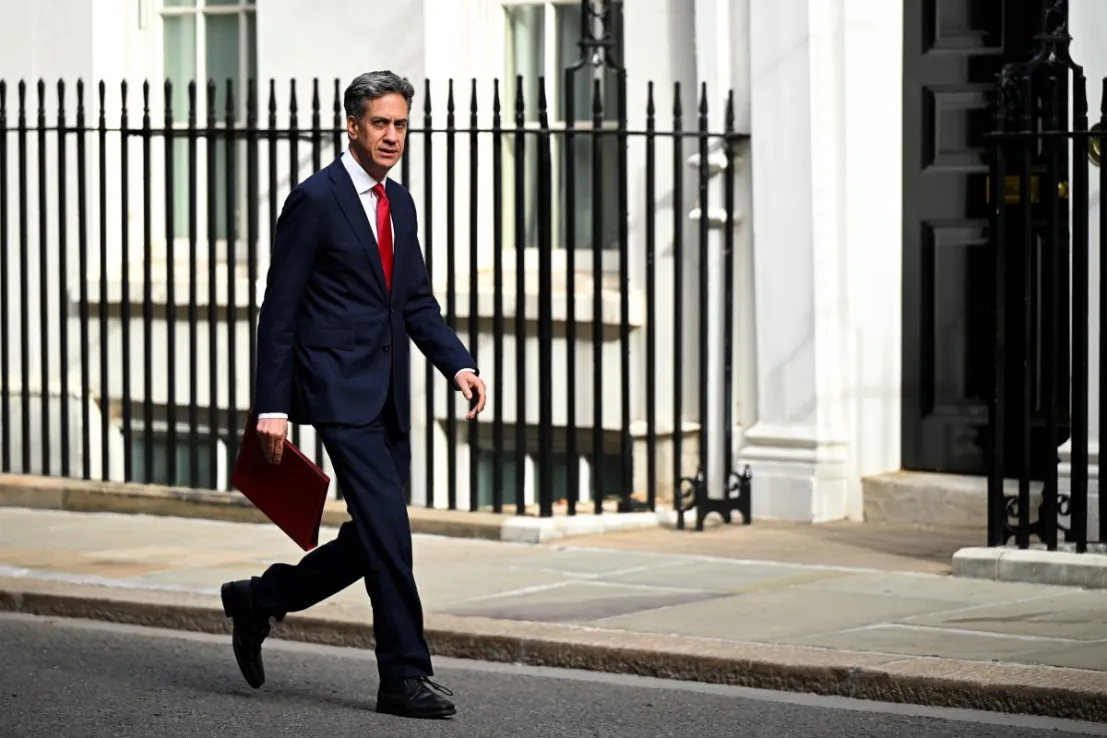
Labour is plotting to reverse cuts to foreign aid, but the UK's spending history reveals a questionable use of funds, writes Anne Strickland, a researcher at the Taxpayers' Alliance.
Andy Burnham and Ed Miliband have privately indicated that they want to find "a route back" to spending 0.7 per cent of national income on foreign aid. No timeframe has been set so far, and Downing Street points to Labour's manifesto pledge to restore the target only "as soon as fiscal circumstances allow". The Institute for Fiscal Studies estimates that this informal commitment would cost roughly £13bn a year.
The 0.7 per cent figure is not a homegrown benchmark: it traces back to a 1970 United Nations resolution urging wealthy countries to devote that share of gross national income to development assistance. Britain made the target a legal obligation in 2015 under David Cameron's government, before it was cut to 0.5 per cent in 2020 in response to the fiscal strain of the pandemic — the cuts that any return to the old level would now reverse.
Britain already faces a record-high tax burden, with the tax take now exceeding £1.1 trillion every year. Finding another £13bn would mean higher taxes, lower spending elsewhere, or more borrowing. Given this government's inclinations, the likely option is almost certainly a combination of more spending and more borrowing. Either way, £13bn is a serious price tag for a policy built around hitting an arbitrary target rather than funding whatever the world's genuine emergencies actually require in a given year.
Where has Britain spent its foreign aid budget?
Looking at where the money already goes, it is hard to feel confident that the £13bn would end up anywhere better. The Taxpayers' Alliance uncovered last year that £88m had gone to fund a contraception programme in Pakistan, with £74m of that specifically used to promote branded condoms through shops and pharmacies. Another £20m was spent on training tax collectors and simplifying the tax system in Ethiopia — an irony hard to beat, given Britain has one of the most complicated tax codes in the world. In Guyana, £52m went on building a road through the Amazon rainforest, since dubbed a "road to nowhere", funded through a climate scheme now overseen by the new foreign secretary Ed Miliband. All of it ultimately paid for by British taxpayers.
And that is before considering what never reaches anyone overseas at all. Twenty per cent of the entire aid budget — £2.8bn in 2024 — went on housing and supporting asylum seekers in Britain, under accounting rules that let the Treasury count it as international development. A fifth of so-called "foreign aid" never actually leaves British shores.
A case-by-case approach
Contrast that with the humanitarian crisis currently unfolding in Nepal. The death toll from last week's devastating flash floods and landslides on the Nepal-China border has passed 1,000, with thousands still missing and search efforts under way. Britain's response was an initial £5m and an offer of emergency rescue teams, announced within days by Burnham and Miliband. Given the scale of what has happened in Nepal, sending that money was simply the right thing to do: responding quickly to a genuine crisis is exactly what foreign aid is meant for.
That is the case for aid, properly understood. A crisis like Nepal obviously deserves support. But a policy built around always hitting a fixed target does not ask what the world actually needs in a given year; it asks how much has to be spent to hit a percentage. Once genuine emergencies like Nepal are covered, whatever is left over still has to go somewhere. That is how £52m roads to nowhere happen — not because they were the best use of the money, but because the target demanded more spending than real need could account for. Judging aid case by case instead would send the money where it is needed, rather than towards an arbitrary target that successive governments have argued over for 15 years.
Anne Strickland is a researcher at the Taxpayers' Alliance.

