UK Chancellor John Healey Mocks Nigel Farage as 'Liz Truss with a Bitcoin Account'
Key Takeaways
- •Chancellor John Healey compared Reform Party leader Nigel Farage to Liz Truss, the shortest-serving prime minister, whose 2022 mini budget was followed by a record-low pound and emergency Bank of England action.
- •Bitcoin advocates pushed back on Healey's 'Bitcoin account' comment, noting that Bitcoin is controlled via private keys in digital wallets rather than stored in bank accounts.
- •Farage has framed Bitcoin as a matter of personal freedom since 2020, an interest he says deepened after being debanked by Coutts.
- •At the Bitcoin 2025 Conference in Las Vegas, Farage pledged to slash crypto capital gains taxes and compel the Bank of England to establish a Bitcoin reserve if elected prime minister.
- •The Metropolitan Police have opened an investigation into reports that Reform breached donation rules by accepting millions in crypto donations from Christopher Harborne and BitMEX co-founder Ben Delo, allegations the party denies.
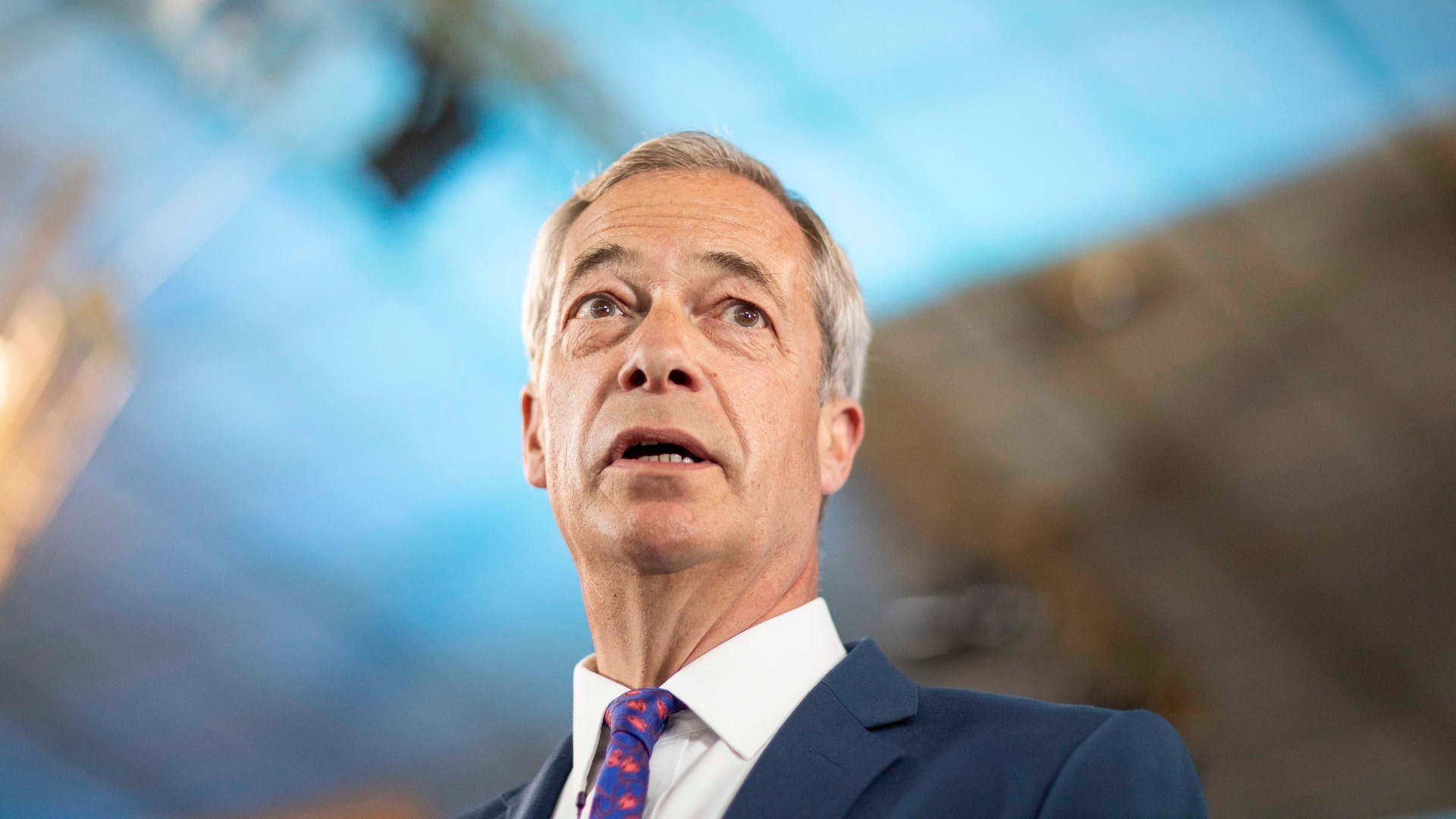
UK Chancellor of the Exchequer John Healey has taken aim at Reform Party leader Nigel Farage's use of Bitcoin, mocking the pro-crypto member of parliament as "Liz Truss with a Bitcoin account."
In a Monday speech, the UK finance minister sought to link Farage — who leads the increasingly popular Reform Party — to Liz Truss, the country's shortest-serving prime minister, who was heavily criticized for her debt-fueled 2022 mini budget. Truss held office for just 49 days; her 2022 mini budget was followed by a slide in the pound to record lows and a gilt-market sell-off that prompted emergency Bank of England intervention.
"Nigel Farage — he wants you to think he's a man of the people," Healey said. "But when it comes to the economy, he's Liz Truss with a Bitcoin account."
The Chancellor added that his leading Labour Party would help the UK get ahead "through fiscal discipline, through good work, through strong industries."
The comments drew swift criticism from the Bitcoin community on X, where users questioned what a "Bitcoin account" even is. "Apparently 'Bitcoin account' is now a thing," the Simply Bitcoin account wrote on X. "Incredible stuff from one of the people running Britain." In practice, Bitcoin isn't held in a bank account at all — coins are controlled through private keys stored in digital wallets, managed either by the holder or by an exchange.
The populist Farage has long been one of Britain's most pro-crypto politicians. Since 2020, he has framed Bitcoin mainly as a question of personal freedom and opposition to state control of money. He has also said he was debanked by private British bank Coutts, an experience he said led him to develop a deeper interest in digital assets.
Just last year, at the Bitcoin 2025 Conference in Las Vegas, Farage said he would slash crypto capital gains taxes and force the Bank of England to establish a Bitcoin reserve if elected as the next prime minister.
Farage has come under fire this year for receiving millions of dollars in crypto donations from tech entrepreneur and Tether investor Christopher Harborne, and from Ben Delo, one of the founders of the now-closed BitMEX crypto exchange. The Metropolitan Police have opened an investigation into reports that Reform broke rules against overseas donations. Reform denies wrongdoing and says it will cooperate. UK law restricts party donations to "permissible" sources — including individuals registered on the British electoral roll — which parties must report to the Electoral Commission.
With Reform gaining ground, the clash underlines how far digital assets have moved into mainstream British politics: invoked by the Chancellor, central to a would-be prime minister's platform, and now tangled in a police investigation.
This article first appeared on Bitcoin Magazine and was written by Mathew Di Salvo.

