UK Reportedly Weighs Extending BBC Licence Fee to Netflix and YouTube Viewers
Key Takeaways
- •The UK government is reportedly considering extending the BBC licence fee to on-demand streaming services including Netflix, Disney+ and YouTube, under a plan dubbed the 'YouTube tax'.
- •A White Paper on renewing the BBC's royal charter is expected before Christmas and will determine how the corporation is funded and regulated from 2028, after the current charter expires in December 2027.
- •Licence fee revenue has fallen by more than £1 billion in real terms over the past decade, and 539,000 fewer TV licences were in force in the year to 31 March 2026.
- •Currently, a licence is required only for live TV viewing and BBC iPlayer use, not for on-demand streaming, so the change would impose the £180 annual fee on households that do not pay it today.
- •Enforcement could prove difficult, as identifying liable households would likely require streaming providers to share subscriber names and addresses with TV Licensing.
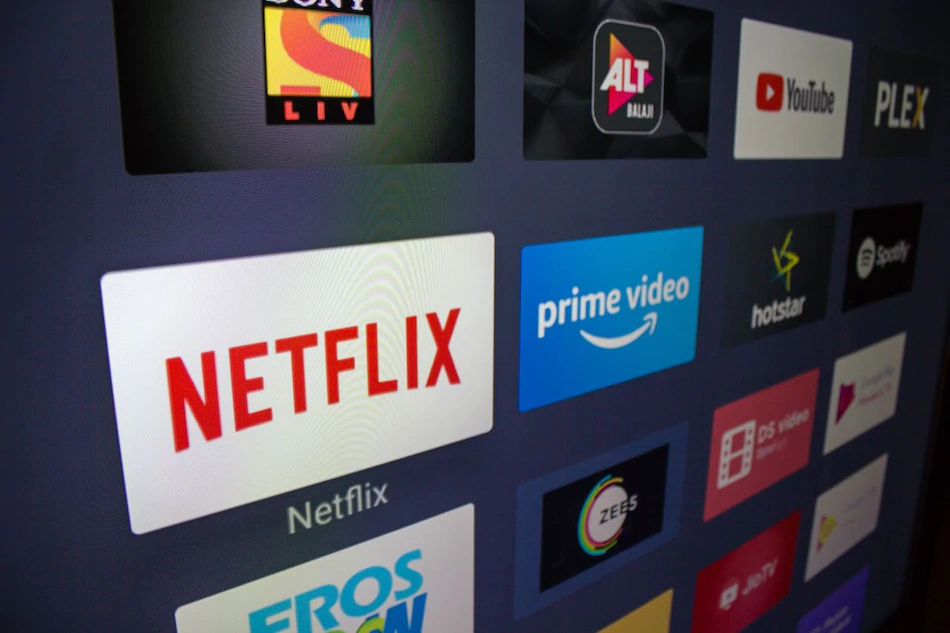
The UK government is reportedly considering an extension of the BBC licence fee to online streaming services such as Netflix, Disney+ and YouTube — a plan that has been dubbed the "YouTube tax."
The proposal was reported by The Independent, citing a senior Whitehall source, and is aimed at stopping from avoiding the fee by watching television content on phones, tablets and laptops.
"It's not fair that people are essentially able to watch television content but avoid the licence fee," the source said.
A White Paper on the renewal of the BBC's royal charter is expected before Christmas. It will set out how the corporation is funded and regulated from 2028, when the current charter — which runs until December 2027 — expires.
The Department for Culture, Media and Sport (DCMS) stressed that nothing has been settled. "Through charter review, we are looking at a range of options, including how the licence fee could be reformed, but no final decisions have been made," it said.
A BBC spokesperson said: "We have consistently argued that the current funding model is outdated and needs reform."
What would change for streaming viewers?
Under the current rules, a licence is required to watch live TV on any channel or service, including live streams on platforms such as Netflix and YouTube, as well as to use BBC iPlayer. Ordinary on-demand viewing on Netflix, Disney+ or Amazon Prime Video does not require one.
The proposal would widen that rule to cover online viewing more broadly. For households that currently watch only on-demand content, that would mean paying the annual fee where none applies today. Neither the government nor the BBC has said whether the annual fee would rise from its current level of £180.
Why the BBC wants reform
According to the report, 539,000 fewer TV licences were in force in the year to 31 March 2026 — part of a drop of about two million over five years. Licence fee revenue has fallen by more than £1 billion in real terms over the past decade, a decline that forms the backdrop to DCMS's reported recommendation to extend the fee beyond television, even as it notes that a universal household levy would be difficult to introduce.
Enforcement could be the sticking point. Richard Broughton, executive director at Ampere Analysis, told reporters: "Identifying who should be paying the licence fee would require streaming service providers to report names/addresses centrally to TV Licensing – else evasion may remain a significant issue for the BBC." Any such mechanism would rest on data-sharing arrangements with the streaming platforms themselves.
Until the White Paper is published, the current rules stand: watching on-demand content on Netflix or YouTube does not require a TV licence. The White Paper is where the government is expected to set out which of the remaining options it has chosen.

