Trump-Appointed Judge Under Investigation After Emailing Sealed Court Documents to About 140 People
Key Takeaways
- •The Fifth Circuit Judicial Council disclosed Tuesday that Judge Ada Brown emailed sealed court papers to about 140 judges, lawyers, and press members, including materials unrelated to the misconduct allegations against her.
- •Brown, a Trump appointee in the Northern District of Texas, initially refused to join the proceedings but was ordered to appear before a three-judge special committee on Oct. 30 and must reply by Oct. 27.
- •The committee warned that if Brown keeps refusing to cooperate, it must file a report with findings and recommendations without her response and may broaden the investigation's scope.
- •Investigators said Brown issued almost no court orders after Aug. 10, 2026, in what was described as a protest over a recusal letter never entered into a docket, and claimed she abandoned her judicial post.
- •Brown withdrew from more than 40 cases beginning June 1, sometimes offering unusual explanations, and removing a sitting federal judge from the bench would require impeachment by Congress.
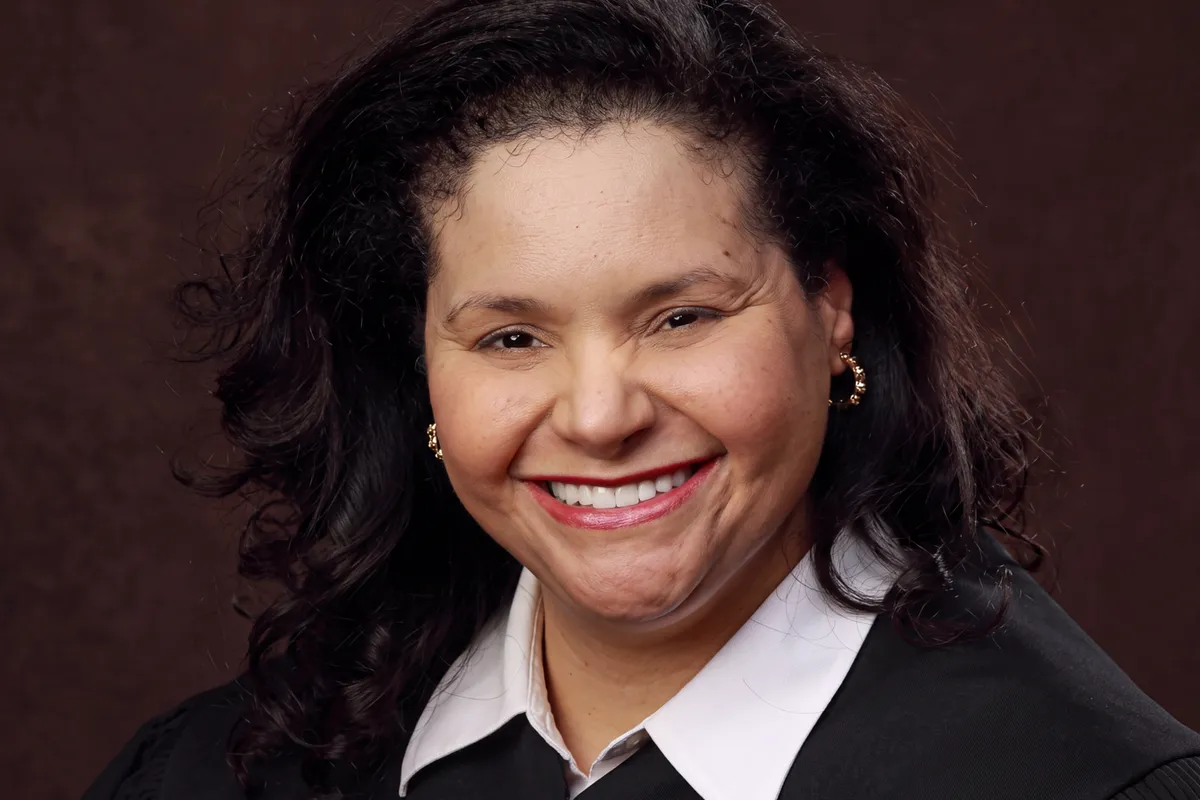
A federal judge is facing scrutiny after emailing sealed court documents to approximately 140 recipients, Bloomberg Law reported on Tuesday.
U.S. District Ada Brown, whom President Donald Trump appointed during his first term, stands accused of judicial misconduct for broadly distributing confidential materials.
The Judicial Council for the Fifth Circuit filed an order on Tuesday that disclosed the scope of the information the judge shared and confirmed that she was already under investigation for misconduct. Among the materials Brown circulated were sealed court papers unrelated to the misconduct allegations. Sealed filings are withheld from public dockets by court order, and Tuesday’s order offered a public accounting of just how far restricted material traveled.
Federal judicial misconduct matters run through the judiciary’s internal disciplinary system: judicial councils appoint special committees to investigate complaints and can impose discipline, but removing a sitting judge from the bench requires impeachment by Congress.
“The Committee has since learned that Judge Brown sent these documents to approximately 140 judges, lawyers, and members of the press,” Tuesday’s order stated, according to Bloomberg. The outlet said it, along with other legal media organizations, was among those that received Brown’s email.
When Bloomberg sought clarification, no response came, and emails sent to her federal courts address bounced back as “undeliverable.”
Brown, who serves on the Dallas division of the Northern District of Texas, is facing a special committee of judges that includes Chief Judge Jennifer Walkerrod of the Fifth Circuit, a Bush appointee; Fifth Circuit Judge James Graves Jr., an Obama appointee; and Chief Judge Alia Moses of the Western District of Texas, a Bush appointee.
Brown indicated she would not take part in the proceedings against her, and the judges all encouraged her to reconsider. She was then ordered to appear before the committee on Oct. 30 and was advised that she had the right to present evidence in her own defense.
“The Committee implores Judge Brown to exercise these rights and comply with the Committee’s investigation,” the Tuesday order said. “If she refuses, the Committee must proceed with its obligation to file a report of its investigation, including findings and recommendations for action by the Fifth Circuit Judicial Council, without the benefit of Judge Brown’s response.”
According to Bloomberg, the order warned that if Brown refuses to participate, the committee may ultimately be forced to expand the scope of its investigation. The panel directed Brown to answer its questions about the disclosure of confidential material and the sealed court papers. It also suggested it wanted to know more about an unspecified “parallel investigation” that Brown claimed she had likewise refused to join.
Brown must respond by Oct. 27, the order said.
A separate Bloomberg Law report revealed that court documents show Brown issued almost no court orders after Aug. 10, 2026, in what was described as “protest.” The protest stemmed from a recusal letter that was never entered into a case’s docket. Investigators said she had “abandoned her post as a federal judge” and alleged that she did not respond when asked when she planned to return to work.
Investigators also said Brown withdrew from more than 40 cases beginning June 1, occasionally offering an explanation or citing “unusual” reasons.

