Uber Invests in Zipline to Bring Drone Delivery to Uber Eats, Starting in the US
Key Takeaways
- •Uber is investing in Zipline as part of a partnership to bring drone delivery to Uber Eats.
- •The first Uber Eats drone deliveries are expected to start in the United States later this year.
- •The companies are targeting one million drone deliveries per day by the end of 2029.
- •Zipline said its drones could complete Uber Eats orders in five to 10 minutes.
- •The new service will launch in the U.S. first and has no announced expansion plans for Africa.
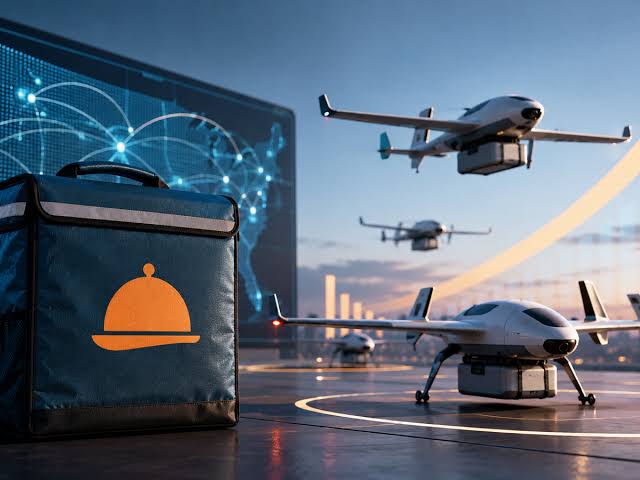
Uber is investing in drone delivery company Zipline as part of a new strategic partnership that will bring autonomous food deliveries to Uber Eats, but the new service will initially skip the company's African markets.
The companies announced the partnership on Monday, according to Uber's official press release, with the first Uber Eats drone deliveries expected to begin in the United States later this year. Together, they are targeting one million drone deliveries per day by the end of 2029.
Zipline said its autonomous drones could fulfil Uber Eats orders within five to 10 minutes. The service will first launch in Zipline's existing US markets before expanding to dozens of additional cities across the country. Uber is also making a strategic investment in Zipline, although the companies did not disclose the value of the investment. The move adds drone delivery to Uber’s broader push to layer new logistics tools onto its platform, while giving Zipline a route into consumer food delivery through one of the largest ride-hailing and delivery networks in the US.
Africa remains outside the Uber Eats–Zipline rollout
The US-first plan contrasts with Zipline's existing presence in Africa. The drone company operates across four continents and has built delivery networks in countries including Nigeria, Ghana, Kenya, Rwanda and Côte d'Ivoire.
Zipline's African operations have largely focused on healthcare, using autonomous drones to transport medical supplies to health facilities and communities. The company said it has made more than 2.7 million deliveries globally and serves more than 5,000 hospitals and health facilities.
Kenya is particularly relevant to the new partnership because it is an African market where both companies already operate. Uber Eats has an established food delivery business in the country, while Zipline has used its drone network for medical deliveries. However, neither company has announced plans to extend the new drone service to Kenya or any other African market. That makes the rollout a US-focused test of a delivery model that sits alongside, rather than replaces, Zipline’s current healthcare-oriented network on the continent.
A hybrid delivery network
Uber said the partnership is part of its effort to build a hybrid delivery network that combines human couriers, sidewalk robots and drones. The company plans to use the different delivery methods depending on which is best suited to an order.
For now, the companies are focused on scaling autonomous food delivery in the US. The presence of Zipline's existing African drone infrastructure, however, gives the partnership a potential link to Uber Eats markets on the continent if the companies eventually decide to expand the service beyond the US.

