Turkey Summons Ukraine's Ambassador After Drone Strikes Hit Turkish Cargo Ships in the Black Sea
Key Takeaways
- •Two Turkish cargo ships, the Lider Bordo Mavi and the Lider Kocatepe, were struck by drones near Tuapse on August 26 and 27, with five crew members injured and a fire breaking out on the first vessel.
- •Turkey summoned Ukraine's ambassador on August 29 after the attacks, having already warned both Russia and Ukraine on August 4 to stop targeting civilian vessels.
- •Turkish ship owners report at least 22 Turkish-flagged or Turkish-operated civilian vessels have come under attack in the past two months.
- •Black Sea waters have been classified as elevated-risk by insurers, raising freight and insurance costs for shipping operators in the region.
- •Under the 1936 Montreux Convention, Turkey controls transit through the Bosphorus Strait, giving it potential leverage to impose concrete restrictions if attacks on its vessels continue.
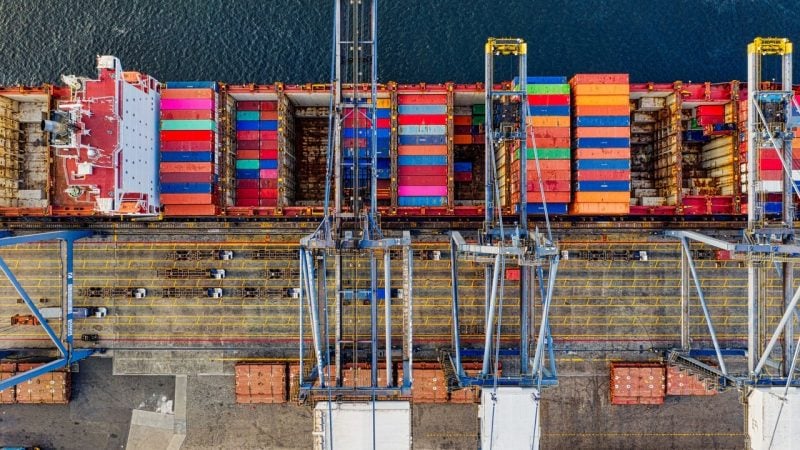
Turkey summoned Ukraine's ambassador to Ankara on August 29 after back-to-back drone strikes hit two Turkish cargo ships in the Black Sea, injuring five crew members and escalating a dangerous pattern of attacks on commercial shipping in the region.
Turkish ship owners have reported that at least 22 civilian vessels flying Turkish flags or operated by Turkish companies have come under attack in the past two months alone.
What Happened
On August 26, the container ship Lider Bordo Mavi was struck by three drones while transporting fresh produce near Tuapse, a Russian port city on the Black Sea's northeastern coast. The attack triggered a fire on board and injured five crew members.
The following day, a second vessel, the Lider Kocatepe, was dispatched to assist the damaged ship. It was also hit by drones and sustained material damage.
Turkey's Foreign Ministry responded by summoning Ukraine's ambassador to Ankara, Naryman Dzhelialov, on August 29. During the meeting, Turkish officials reiterated their position that life, property, and freedom of navigation in the Black Sea must be protected.
Turkey had already issued a broader warning on August 4, calling on both Russia and Ukraine to stop targeting civilian shipping.
A Pattern of Attacks on Civilian Shipping
The strikes come amid a broader campaign of naval drone and missile attacks on shipping and ports on both sides of the Black Sea since Russia's full-scale invasion of Ukraine in 2022. Ukraine has repeatedly targeted Russian Black Sea ports and naval infrastructure, while Russia has struck Ukrainian ports including Odesa. Commercial vessels transiting the region have repeatedly been caught in between, and insurers have classified Black Sea waters as elevated-risk, raising freight and insurance costs for operators still willing to sail there.
Turkey controls the Bosphorus Strait, the only exit point for ships leaving the Black Sea toward the Mediterranean, and has maintained relationships with both Moscow and Kyiv. Under the 1936 Montreux Convention, Ankara holds authority over strait transit, and it exercised that authority early in the war by closing the straits to belligerent warships.
Why This Matters Beyond the Black Sea
The Lider Bordo Mavi was carrying fresh produce, a category of goods that cannot wait in port while diplomats resolve the situation. The Black Sea is also a major artery for grain, fertilizer, and oil shipments, and disruption to commercial traffic there has historically rippled into global food and commodity supply chains.
For investors watching shipping and commodities markets, the key variable is whether Turkey escalates beyond diplomatic protest. Ankara has the tools to make maritime operations significantly harder for Ukraine if it chooses to, most notably through its control of the Bosphorus Strait under the Montreux Convention. What to watch next is whether further attacks on Turkish vessels follow, and whether Ankara moves from summoning ambassadors to concrete restrictions on traffic through the straits.
