Analysts Wilentz and Blumenthal: Trump Relies on Self-Described 'Real Poll Numbers,' Compares Himself to Hoover and Nixon
Key Takeaways
- •Analysts Sean Wilentz and Sidney Blumenthal report that Trump cites personal "real poll numbers" showing approval above 60%, while conventional polls from Quinnipiac University and the University of Chicago place his support at roughly 30%.
- •The roughly 30-point discrepancy between Trump's cited figures and those from established polling organizations is larger than typically seen when presidents dispute unfavorable survey results.
- •Blumenthal characterized Trump's preoccupation with comparing himself to past presidents as a sign he is not focused on the present.
- •Wilentz identified Trump's reported associations with Herbert Hoover, who led during the Great Depression, and Richard Nixon, who resigned over the Watergate scandal, as particularly revealing.
- •Wilentz asserted that Trump views Nixon as weak and intends to go beyond Nixon's approach to exercising presidential power.
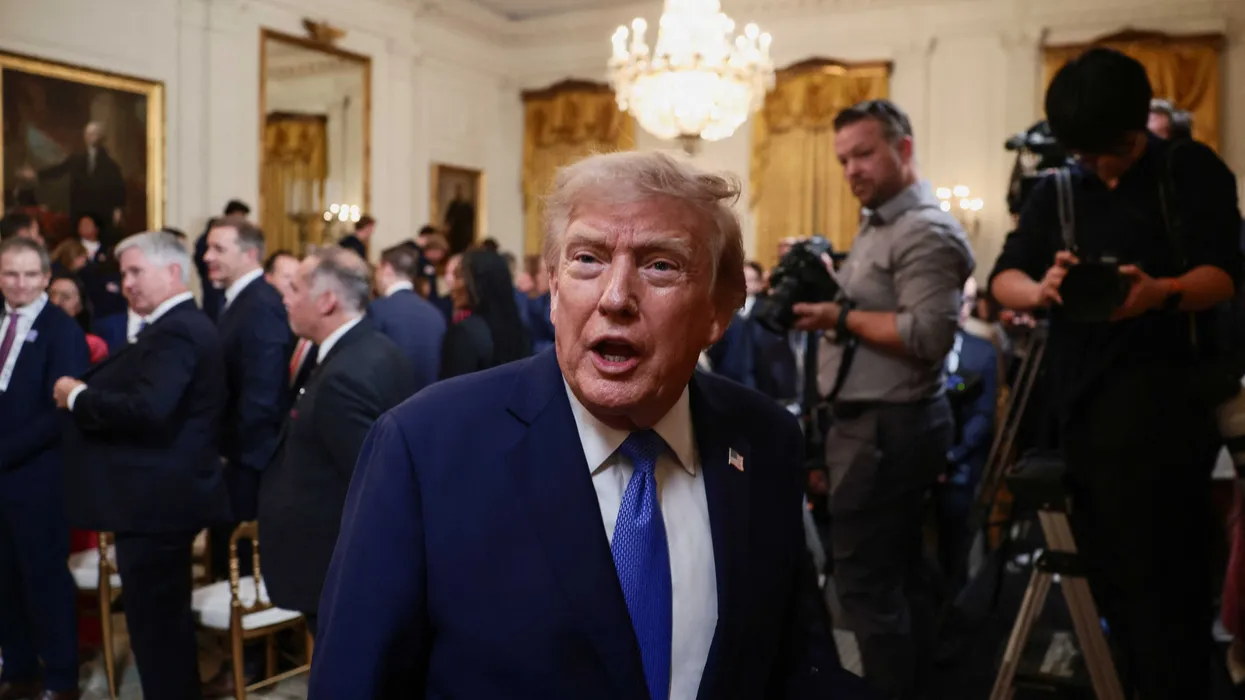
Analysts Sean Wilentz, a Princeton University historian, and Sidney Blumenthal, a journalist and former aide to President Bill Clinton, said on their podcast "The Court of History" that President Donald Trump has increasingly relied on what he calls his "real poll numbers" to reassure himself of public support, even as conventional surveys show declining approval.
According to the analysts, Trump's self-referenced "real poll numbers" suggest an approval rating above 60%. By contrast, polls conducted by Quinnipiac University and the University of Chicago have placed his support at approximately 30%. The roughly 30-point gap between the figures Trump cites and those produced by established polling organizations is wider than the disparities typically seen when presidents have publicly disputed unfavorable survey results.
"Oh my god," Wilentz said when Blumenthal shared the figures Trump purportedly cites.
Blumenthal noted that the president appears preoccupied with comparing himself to past presidents, which he characterized as a sign that Trump is not focused on the present.
Wilentz pointed to two historical figures Trump has reportedly associated himself with — Herbert Hoover and Richard Nixon — as particularly revealing.
Hoover, the 31st president, served from 1929 to 1933 during the onset of the Great Depression. In 1932, he ordered the military to disperse the Bonus Army, an encampment of World War I veterans in Washington, D.C., who had gathered to demand that the government cash their service-bonus certificates awarded by Congress.
Nixon, the 37th president, resigned in 1974 amid the Watergate scandal, which revealed widespread abuses of power and led to congressional impeachment proceedings. He is widely regarded as one of the most ethically compromised presidents in American history.
Wilentz argued that Trump's pattern of invoking Hoover and Nixon is "very telling."
"He'd like to construct a government that goes beyond what Richard Nixon would have wanted to do, as horrible as it was ..." Wilentz said. "He wants to go beyond that. He thinks that Nixon was a wimp. He thinks that Nixon was a wuss and that's why he fell, and that he is going to outdo him."

