Trump Withdraws Todd Blanche's Attorney General Nomination Amid IRS Settlement Controversy
Key Takeaways
- •President Trump withdrew Todd Blanche's nomination for permanent attorney general rather than allow him to disavow a controversial IRS settlement agreement during Senate confirmation.
- •The settlement involves a $1.776 billion fund between Trump and the IRS that would compensate Trump supporters while shielding Trump and his family from future IRS audits.
- •Legal experts estimate the IRS audit immunity granted to Trump could be worth approximately $100 million in taxpayer funds.
- •Senator John Cornyn, a Republican, questioned Blanche about the settlement, and Blanche acknowledged the agreement remains an enforceable document.
- •The Justice Department negotiated the settlement against the IRS, its own client agency, despite the underlying lawsuit being widely regarded by litigation scholars as frivolous.
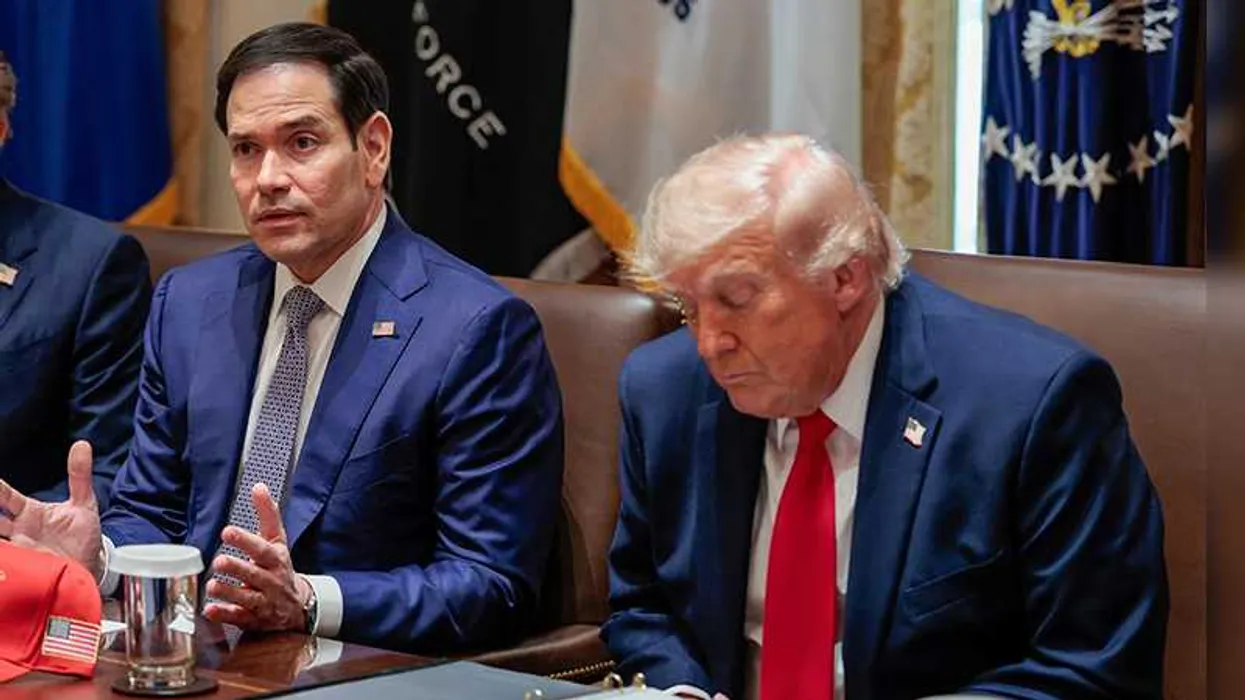
President Donald Trump on Thursday withdrew the nomination of acting attorney general Todd Blanche for the permanent attorney general post — a move that a legal expert argues signals Trump's intention to preserve a self-dealing arrangement estimated to be worth tens of millions of dollars. Blanche, who previously served as Trump's personal criminal defense attorney before being installed as the nation's top law enforcement official, would have faced Senate scrutiny over the agreement during confirmation hearings.
Former US attorney Barb McQuade explained the significance in a post on X: "Trump would rather pull Blanche's nomination for AG than allow him to commit in writing that Trump's IRS deal is off." She added, "The immunity Blanche granted to Trump from IRS audits is a windfall that some experts estimate is worth $100 million in taxpayer funds for Trump." X post
The controversy centers on a $1.776 billion settlement fund agreed between Trump and the IRS — an agency under his control — as negotiated by the Justice Department, which he also oversees. The arrangement drew immediate scrutiny from governance watchdogs because the Justice Department, which normally defends federal agencies against lawsuits, instead brokered a settlement against its own client agency. The settlement stemmed from Trump's lawsuit blaming the IRS for leaking his tax returns, a case that litigation scholars widely regarded as frivolous. Under the agreement, money would be distributed to Trump supporters claiming wrongful treatment by the government, while Trump and his family would receive protection from future IRS audits.
Sen. John Cornyn (R-TX), a senior Republican and typically a Trump ally, pressed Blanche during earlier questioning about whether he possessed a copy of the settlement agreement and whether it had been modified. That a senior member of the president's own party felt compelled to probe the deal underscored the unusual pressure the settlement created for Republican senators weighing confirmation.
Blanche recited the agreement's language: "This settlement agreement can be modified, may be modified only upon the written agreement of the parties." When Cornyn asked whether a written modification had been made, Blanche responded that because the fund was not moving forward, no modification was necessary.
"Well, so the settlement agreement remains as it was originally," Cornyn noted. "But I hear what you're saying is it — is the settlement agreement enforceable as a contract by the parties?"
Blanche acknowledged that the settlement agreement remains an "enforceable document."
Sam Nunberg, a potential applicant to the fund, told AlterNet in June that he was weighing whether to seek compensation. "I certainly think that the [former special counsel Robert] Mueller investigation, at a minimum, everyone who was either investigated or a witness should be compensated, because that investigation never should have been initiated," Nunberg said.
He continued, "I don't necessarily fault the rank-and-file staff, but once they opened that investigation, it was really — any association with Donald J. Trump meant you were going to have to hire a white-collar attorney."
Nunberg also stated that the investigations into Trump's 2016 presidential campaign forced him "to inform my clients, as a fiduciary duty, that I've been called into the investigation. Things like that. I thought it was extremely unfair. It was arbitrary. It didn't have to be started."

