Trump White House Scrambles to Prepare for 'Onslaught of Investigations' as New Congress Nears
Key Takeaways
- •White House staffers held their first formal planning session this week to prepare for an expected wave of Democratic investigations once Democrats take committee control on Jan. 3.
- •The White House counsel's office has hired 15 new lawyers in recent months after Chief of Staff Susie Wiles directed quiet preparations that began as early as September.
- •Some administration staff are departing ahead of the oversight wave, while remaining officials are hiring personal lawyers, limiting written communications, and updating their financial disclosures.
- •Trump has publicly signaled openness to deals with congressional Democrats, though similar remarks followed the 2018 midterm losses without producing a wave of bipartisanship.
- •Vice President JD Vance is reassessing his role in the administration as he begins a 2028 presidential run, casting the Iran war as the source of public anger.
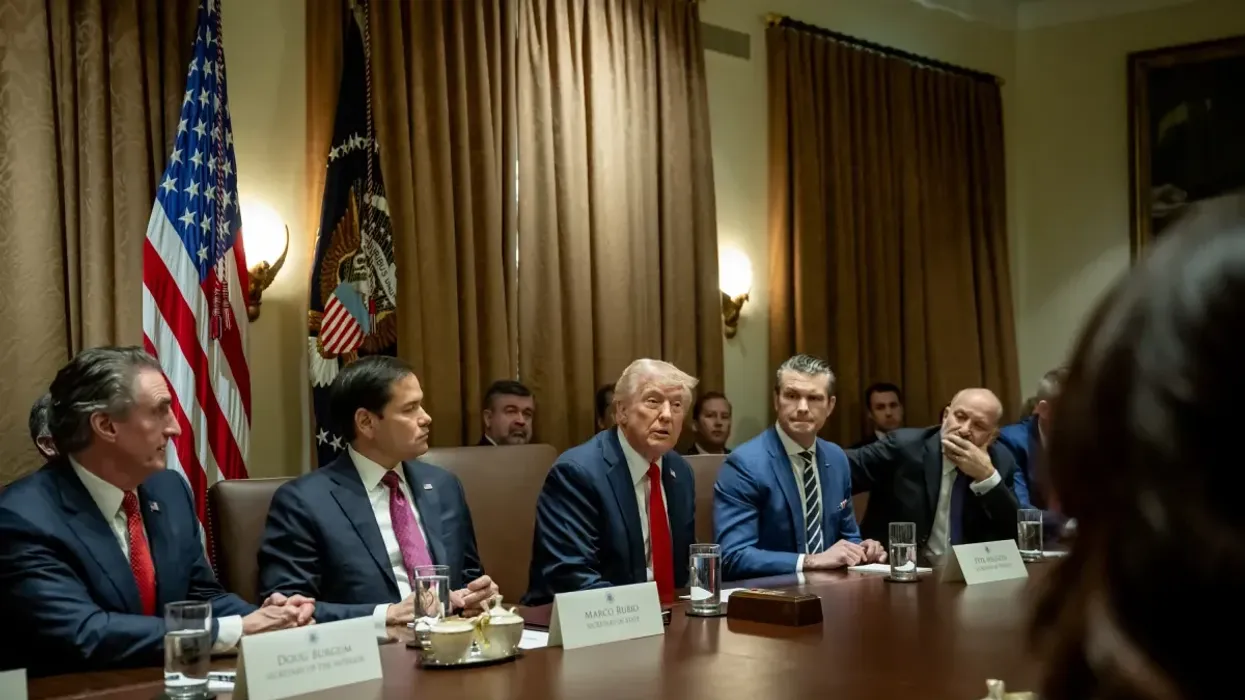
President Donald Trump's White House staff is bracing for what aides expect to be an "onslaught of investigations" when the new Congress convenes on Jan. 3, according to reporting by CNN.
Control of congressional committees follows the majority, so once Democrats are seated on Jan. 3 they will hold the gavels that set hearing agendas, along with the subpoena authority to compel documents and testimony from executive branch officials — the core tools of congressional oversight.
Senior staffers have begun gathering to plan and prepare for the incoming wave of Democratic oversight, CNN co-host Kate Bolduan said, describing internal expectations that the administration will adopt "a newly, quote, unquote, aggressive posture in the face of this new oversight." The White House has also taken an adversarial approach to oversight during GOP control.
'Worst-case scenario'
Kevin Liptak, CNN's senior White House reporter, said staff anticipated electoral losses, though not at the magnitude that materialized.
"In a lot of ways the White House was anticipating these losses, perhaps not at the scale that we're seeing now," he said. "This was kind of the worst-case scenario, but the idea that Democrats would use these majorities to investigate, to really wield their subpoena power — it's not necessarily a surprise to officials."
Aides have quietly discussed the prospect for the past month or so, he said.
"But this meeting this week was the first time for them to really sit down, regroup, and try and plot a way forward here. How best to combat what they expect to be an onslaught of investigations. You know, the president wasn't in this meeting, but they were also discussing areas where they could potentially work with Democrats," Liptak said.
Bipartisan overtures, or a last stand?
Prior reporting has depicted a White House preparing for a battle, or a kind of last stand. Publicly, however, Trump has struck a more conciliatory tone.
"And you've heard the president take something of a conciliatory approach to that, at least in public so far, saying that he thought that there could be deals to be had with some of these Democrats now that they're in the majority," Liptak said. "I will note that he said the same thing after Republicans lost in the 2018 midterms, and you did not see a new spate of bipartisanship. So, we'll have to see how exactly that proceeds."
Unlike in 2018, Trump now runs his own show and holds the final word on moving forward on policy matters. If Democrats can convince him they share goals on specific issues, he could treat the moment as a chance to change how he is perceived and build a legacy beyond the White House ballroom. Whether any of that comes together will start to show after Jan. 3, when Democrats formally take over committee work.
Another possible strategy is for the president to go it alone with a slew of executive orders, which would likely be challenged in court. Orders of that kind bypass Congress, but they remain subject to judicial review and can be undone by future administrations.
"But I do think it was notable here, the first executive orders that we saw the president signing after those losses, you know, had nothing to do, really, with his governing agenda. He was cementing into these orders that the Oval Office and the Cabinet room become national monuments," Liptak said. "And I think that actually gives you the best sense of where the president's head is, even as his staff try and plot out how they're going to govern for the next two years."
Americans have seen Trump only three times this week, Liptak noted, and each appearance has centered on his construction projects. On Monday, Trump closed out "the last" of "the Trump era" with the Reflecting Pool.
Lawyering up
CNN also reported that the White House is "lawyering up" — a prospect Rep. Robert Garcia (D-Calif.) suggested on the evening of Nov. 3.
"Other Trump administration staff are jumping ship, knowing that they would be likely targets of Democratic committee investigations. They could be replaced quickly in the lame-duck session before Democrats take over," Liptak said. A lame-duck session is the post-election window in which the departing majority still controls chamber business until the new Congress is seated.
That report also revealed that the White House began preparing for a flood of investigations as early as September, though the efforts did not start in earnest until recently.
"White House chief of staff Susie Wiles, in particular, would often shut down conversations regarding a likely onslaught of oversight probes into those operating at the highest levels of the administration, one of the advisers said, believing it could pull focus away from the campaign," CNN reported.
Instead, Wiles told the White House counsel's office to prepare quietly. That office has hired 15 new lawyers in recent months. The counsel's office is the unit that typically fields congressional document requests and subpoena disputes, which are generally resolved through negotiation or enforcement litigation in federal court.
"If crazed Democrats want to abuse their power and politicize the process of investigating and subpoenaing and try to destroy lives, they should be reminded that we still control the federal government and all of its powers," a White House official said.
Other staff members are hiring their own lawyers. Politico reported that staffers are now being cautious about what they put in writing — implying that this was not previously a concern — and that officials are being told to make sure their financial disclosures are updated and accurate. Disclosure filings are among the records most commonly reviewed in congressional ethics inquiries.
Vance's place in the administration
Meanwhile, Vice President JD Vance is trying to figure out his place in the administration as he begins running for president in 2028. His current approach, per the reporting, is to cast the Iran war as the source of all of the anger among Americans.

