Trump Declines to Endorse Senate Majority Leader John Thune for Another Term, Exposing GOP Fault Lines Ahead of Recess
Key Takeaways
- •President Trump declined to commit to supporting Senator John Thune for another term as Senate Majority Leader, a notable non-endorsement given that leadership is decided by closed-door caucus votes.
- •Trump has publicly pressured Thune to eliminate the legislative filibuster to pass the SAVE America Act, but Thune has repeatedly stated he does not have the votes to abolish the rule or advance the legislation.
- •Republicans scrapped a budget resolution carrying SAVE Act provisions and a standalone voter ID measure failed to reach the required 60-vote threshold, leaving Trump's flagship voting bill stalled.
- •The Senate passed stopgap government funding extending into mid-December, averting an immediate shutdown, and narrowly confirmed Todd Blanche — a former personal defense attorney for Trump — as attorney general.
- •GOP senators are concerned that friction with the White House and their narrow Senate margin could jeopardize their majority in the upcoming November elections.
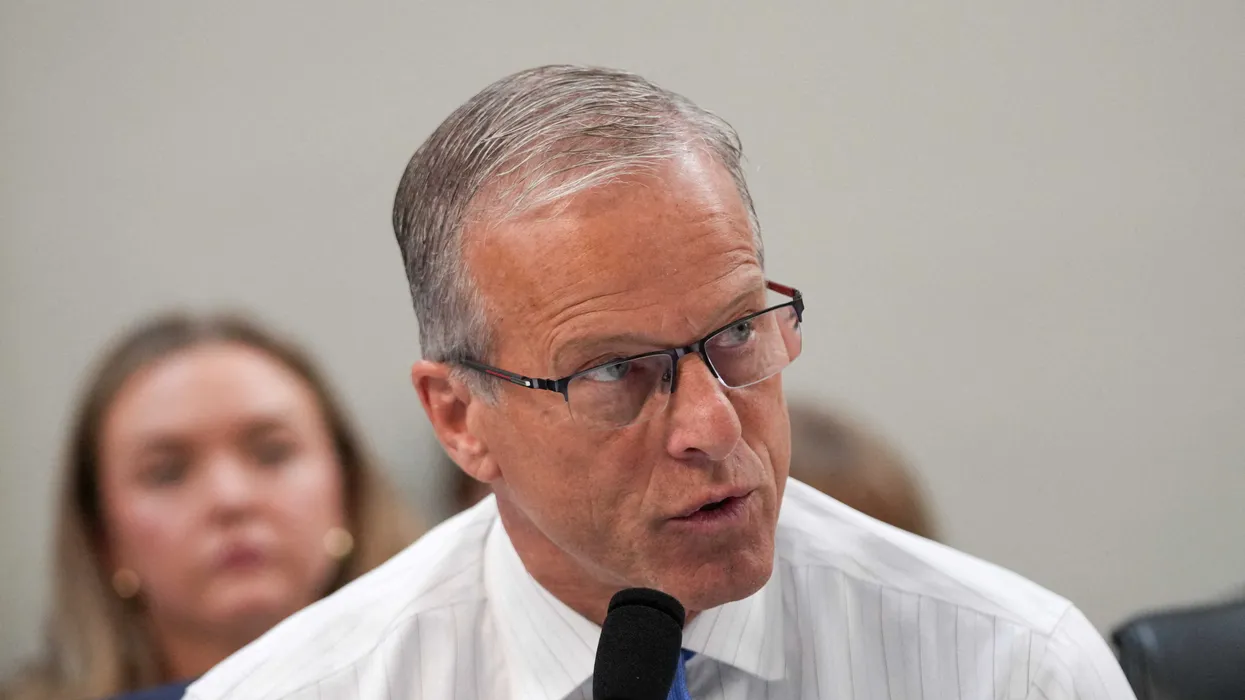
The most striking indication of tension within Senate Republican ranks surfaced as lawmakers departed for a five-week recess: President Donald Trump refused to say whether he wants Majority Leader John Thune (R-SD) to remain in his leadership post.
In an interview with Punchbowl News, Trump would not commit to supporting Thune for another term as majority leader. Senate leadership positions are determined by closed-door party caucus votes at the start of each new Congress, meaning a presidential non-endorsement carries practical weight as Republicans look ahead to their next organizational session. The report, published Monday, described "warning signs" emerging from a growing disconnect between the White House and Senate Republicans over how much the chamber has delivered on the president's agenda.
"That's probably to be expected," Thune said when asked about Trump's comments.
The exchange capped weeks of mounting frustration from Trump, who has publicly pressured Thune to eliminate the filibuster — the 60-vote threshold required to advance most legislation in the Senate — in order to push through the SAVE America Act. The legislation would require individuals to provide proof of citizenship when registering to vote in federal elections. Thune has repeatedly stated that he does not have the votes to abolish the filibuster or to pass the legislation through the chamber, describing Trump's demands as "a reality I have to deal with," according to Punchbowl News.
The filibuster has long served as a procedural check in the Senate, requiring a supermajority of 60 votes to end debate on most bills. Its elimination, often referred to by reform advocates as the "nuclear option," would represent a fundamental change to Senate legislative dynamics. Both parties have periodically floated changes to the rule over the past two decades, but the legislative filibuster has survived each round of debate.
Trump's flagship voting and election legislation has stalled in the chamber. Republicans scrapped a budget resolution that would have initiated a third reconciliation package — a procedural tool allowing certain fiscal measures to pass with a simple majority — carrying provisions of the SAVE Act. A standalone voter ID measure also failed to reach the 60-vote threshold needed to advance.
According to Punchbowl News, GOP senators harbor a deeper concern: that the electoral landscape in November could jeopardize their majority. The Republican-controlled Senate currently holds a narrow margin, and any intra-party friction with the White House adds another layer of uncertainty heading into the election. The dynamic echoes Trump's first-term tensions with McConnell, who repeatedly navigated between the president's expansive legislative demands and the Senate's procedural constraints.
The Senate has managed to pass stopgap government funding extending into mid-December, averting an immediate shutdown. It also narrowly confirmed Todd Blanche as attorney general. Blanche, who previously served as one of Trump's personal defense attorneys, was confirmed along largely party-line votes.
Despite those legislative achievements, the rare public divergence between Trump and Senate Republican leadership remains the most notable development as the chamber enters its extended recess. The dynamic signals potential challenges ahead for Thune and the GOP caucus as they navigate the president's legislative priorities with limited vote margins and an approaching election.
Thune succeeded Sen. Mitch McConnell (R-KY) as Senate Republican leader, taking on the majority leader role after the GOP regained control of the chamber.

