Trump Leans on Obscure 1930 Tariff Law to Expand Trade Levies Despite Manufacturing Job Losses
Key Takeaways
- •Approximately 80,000 manufacturing jobs have disappeared since the start of Trump's second term, despite his campaign promise to revitalize the manufacturing sector.
- •Section 338 of the Smoot-Hawley Tariff Act of 1930, which permits duties of up to 50 percent against countries deemed to disadvantage U.S. commerce, had never been used to impose tariffs prior to Trump's administration.
- •After a Supreme Court setback, Trump imposed a 10 percent across-the-board tariff under Section 122 of the Trade Act of 1974, a statute that caps duties at 15 percent and limits their duration to 150 days.
- •A recent survey found that 63 percent of Americans oppose Trump's tariff policies.
- •Progressive Policy Institute analyst Ed Gresser argues the tariffs have backfired by sacrificing long-term economic growth and stability for narrowly defined short-term policy gains.
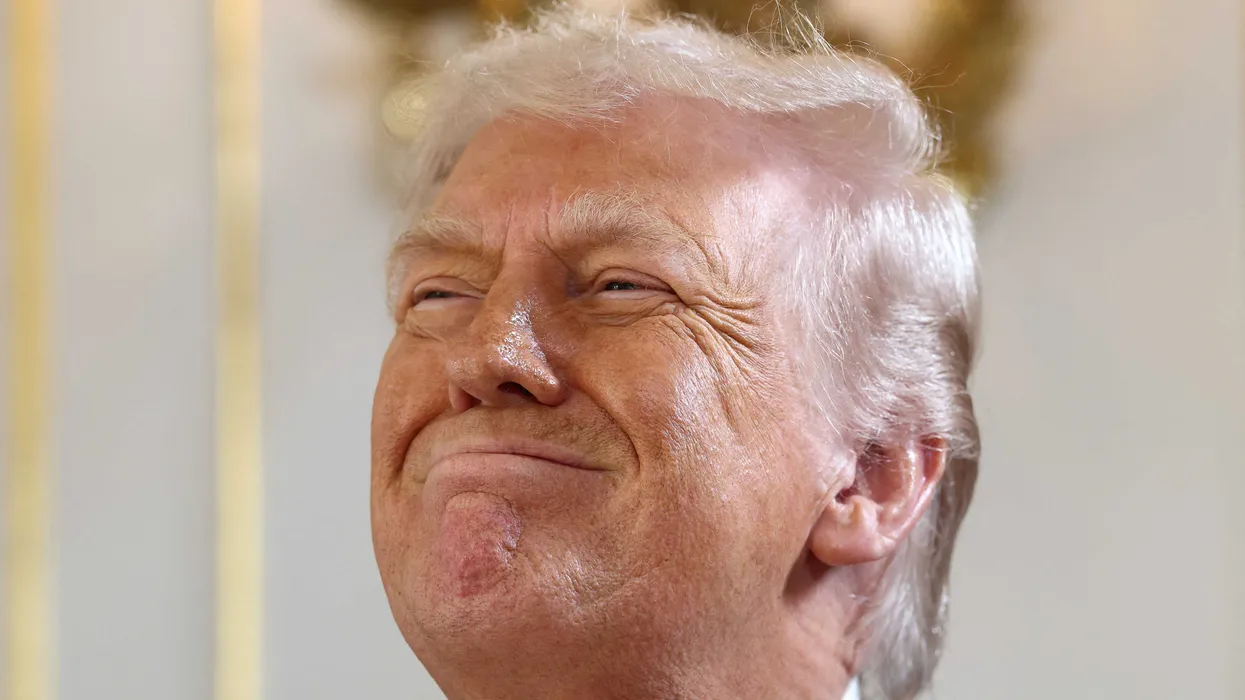
President Donald Trump's tariffs have been associated with a decline of approximately 80,000 manufacturing jobs since the start of his second term, according to data cited by The Guardian's Eduardo Porter. Despite that contraction in the very sector Trump pledged to revitalize, the president is escalating his tariff agenda — invoking legal authorities in ways that critics say stretch statutory intent to its limits.
At the center of Porter's analysis, published Sunday, is Section 338 of the Smoot-Hawley Tariff Act of 1930 — the same legislation widely credited with strangling global commerce in the 1930s and deepening the Great Depression. The original act raised U.S. duties on more than 20,000 imported goods, prompting retaliatory tariffs from major trading partners and contributing to a collapse in world trade. "Section 338 is particularly dangerous because it offers cover for the president to slap trade levies on whatever country he wants under some fairly hazy arguments," Porter wrote.
The provision, Porter explained, "grants the president authority to retaliate against countries that do anything to put the United States 'at a disadvantage compared with the commerce of any foreign country.'" Once the president determines such a disadvantage exists, he is empowered to "declare such new or additional rate or rates of duty as he shall determine will offset such burden or disadvantage." The statute authorizes duties of up to 50 percent against goods from the targeted country — a ceiling that, combined with the provision's vague trigger, gives the executive unusually broad latitude compared with other trade statutes that require formal investigations, congressional notification, or time limits.
Prior to Trump, Porter noted, Section 338 had never actually been used to impose tariffs. "It was mostly used as leverage, to guarantee that other countries treated American products the same as imports from anywhere else," he wrote. "If some country offered preferential access to a neighbor or ally, the US could demand the same terms, or else."
A primary justification advanced by the administration for its tariff program is the need to correct trade imbalances between the United States and its economic competitors. Porter argued that this rationale rests on an outdated understanding of the modern economy. "Balance of payments crises don't exist any more," he wrote.
Following a Supreme Court setback, Trump nonetheless imposed a 10 percent across-the-board tariff by invoking Section 122 of the Trade Act of 1974, which permits temporary duties to address balance-of-payments imbalances. That statute, however, caps duties at 15 percent and limits their duration to 150 days — constraints that Porter suggested make it ill-suited to sustaining a long-term tariff wall. Porter pointed out the irony: "The use of the law is so ridiculous that Trump's own lawyers, in the IEEPA case, argued before the Supreme Court justices that Section 122 could not be used as a substitute."
Public opinion appears to run against the policy. A recent survey found that 63 percent of Americans oppose Trump's tariffs.
Ed Gresser, Vice President and Director for Trade and Global Markets at the Progressive Policy Institute, told AlterNet last month that the tariffs have backfired because the administration is prioritizing narrowly defined short-term gains over the foundations of sustained economic growth.
"They're hoping to get small, individual policy achievements at the expense of a larger-scale increase in costs and loss of stability and predictability," Gresser said.
The Guardian — Eduardo Porter

