US Reportedly Weighs Targeted Restrictions on Chinese Open-Weight AI Models
Key Takeaways
- •The White House is reportedly weighing targeted restrictions on certain Chinese open-weight AI models instead of a blanket ban.
- •Open-weight models are harder to control after release because developers can download, modify and host them outside a centralized provider.
- •OpenAI and Google DeepMind signed an open letter opposing regulation of open-weight AI models.
- •Microsoft and Google offer access to open-weight models through their services, and Google DeepMind also develops its own open models.
- •The New York Times reported that Anthropic and OpenAI are privately lobbying for restrictions on Chinese open models despite OpenAI signing the anti-regulation letter.
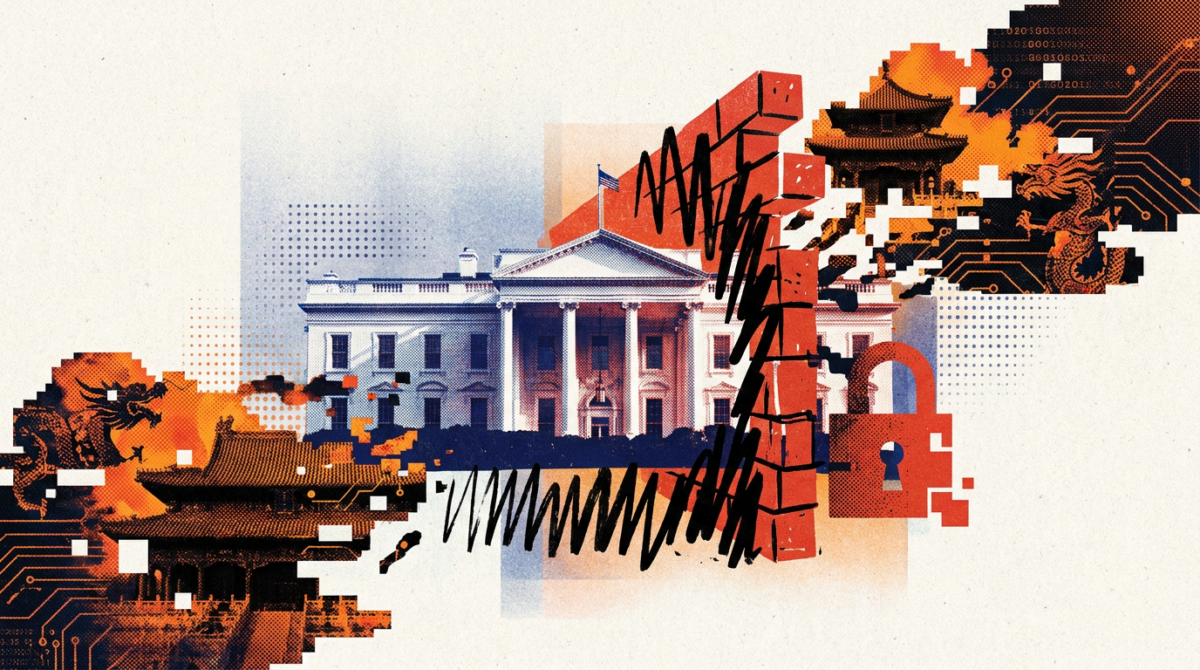
The Trump administration is reportedly preparing to tighten restrictions on Chinese open-weight AI models, while favoring targeted bans on specific models rather than a blanket prohibition.
According to The New York Times, the White House is considering a more selective approach, citing national security concerns. The report comes as debate intensifies in Silicon Valley and Washington over whether open-weight models, which allow developers to download and modify model weights, should face new regulation when they originate from China.
That distinction matters because open-weight systems are harder to control after release than closed models delivered only through hosted APIs. Once model weights are widely distributed, developers can run them locally, adapt them for specialized uses, or host them through third-party services, making enforcement questions different from rules aimed at a single centralized provider.
OpenAI and Google DeepMind later signed an open letter opposing regulation of open-weight AI models. The letter has support from many major technology companies, most of which have business interests tied to open AI models. Many of those models now come primarily from China. Microsoft and Google sell access to open-weight models through their own services, and several backers of the letter also have an interest in limiting the market power of Anthropic and OpenAI.
Google DeepMind also develops open models of its own, including the Gemma series. Microsoft has publicly promoted its position on open-weight AI through its open-weight initiative.
The petition arrives as the administration weighs new limits on Chinese open models. The New York Times reports that the White House prefers targeted bans on particular models over a broad ban, with officials pointing to national security risks that could become more significant over time. A model-specific approach would put more weight on how officials identify risky releases and how cloud providers, marketplaces, and enterprise customers respond to any restricted list.
For now, even recent Chinese models such as Kimi K3 still trail leading Western models by a wide margin on cybersecurity benchmarks. The Times also reports that Anthropic and OpenAI are privately lobbying for restrictions on Chinese open models, even though OpenAI signed the letter opposing regulation. Both companies face price pressure from cheaper Chinese models.

