Trump's Super Intelligence Force Leaders Meet Thursday to Define the Group's Mandate
Key Takeaways
- •The Super Intelligence Force will convene its first meeting on Thursday to establish its mandate, and must deliver a comprehensive report on AI risks and opportunities within 120 days.
- •The leadership team comprises Director of National Intelligence Jay Clayton as lead AI czar, FTC Chairman Andrew Ferguson, Under Secretary of Defense Emil Michael, and OPM Director Scott Kupor.
- •The task force's stated mission is to preserve US leadership in AI while steering clear of heavy regulation, even though a Reuters/Ipsos poll found a majority of US voters believe the government is not doing enough to address AI risks.
- •The administration will adopt the term 'super intelligence' in place of 'artificial intelligence' in official communications, echoing the White House Accord on Super Intelligence signed on September 29, 2026 by Trump and executives from six AI firms including Google and OpenAI.
- •At least five SIF members have connections to AI and tech investments, prompting questions about potential conflicts of interest as the panel helps oversee companies its leaders previously funded.
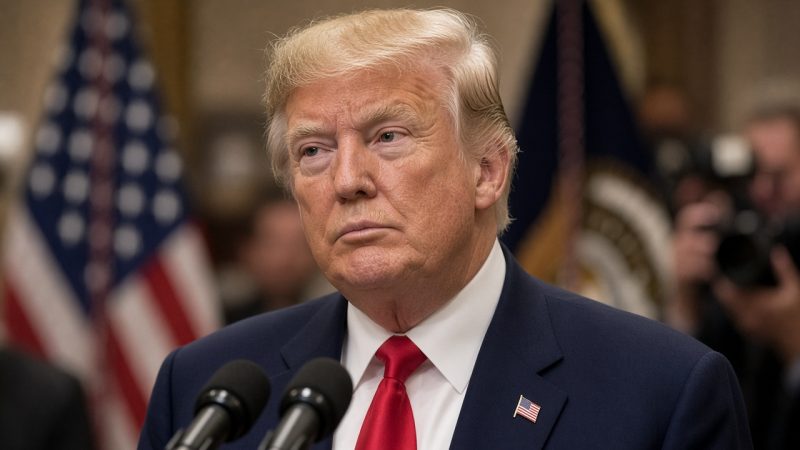
The Trump administration's newly formed artificial intelligence task force is set to hold its first official meeting, with its leaders gathering on Thursday to determine exactly what the group is supposed to do.
Who Is in the Room
The task force carries a name that sounds borrowed from a summer blockbuster: the Super Intelligence Force, or SIF. The administration announced its leadership lineup on October 4, 2026.
Director of National Intelligence Jay Clayton will serve as the lead AI czar. He is joined by Federal Trade Commission Chairman Andrew Ferguson and Emil Michael, the Under Secretary of Defense for Research and Engineering. Scott Kupor, Director of the Office of Personnel Management, rounds out the leadership team.
The lineup spans intelligence, consumer protection, defense research, and the federal workforce — putting a single body across national security, consumer markets, and hiring policy at the same time. Thursday's meeting will focus on defining the group's goals and responsibilities. Once those are settled, the clock starts running in earnest: the task force must deliver a comprehensive report on AI risks and opportunities within 120 days. For readers following the story, those are the two near-term markers to watch: the mandate set on Thursday, and the report that follows.
A Mandate Built Around Light Regulation
The SIF is charged with coordinating government efforts alongside a range of outside stakeholders, including public interest groups and critical infrastructure providers. Its stated focus is preserving US leadership in AI while steering clear of heavy regulation.
The administration is also changing its vocabulary: the term “super intelligence” will replace “artificial intelligence” in official Trump administration communications — wording that echoes the White House Accord Super Intelligence, signed five days before the SIF leadership lineup was announced.
The leadership team has deep ties to the tech industry. Kupor is affiliated with venture capital firm Andreessen Horowitz, and Michael has a history of investing in AI. At least five members of the SIF have connections to AI and tech investments.
How We Got Here
The task force arrives on the heels of a bigger announcement. On September 29, 2026, Trump and executives from six prominent AI firms, including Google and OpenAI, signed the White House Accord on Super Intelligence. The accord outlines commitments to internal controls and audits, and it establishes safety controls that the participating companies agreed to adopt.
Clayton has warned that failing to keep pace with global AI developments could raise national security threats. He has also stressed the need for vigilant oversight, including proactive measures to guard against adversaries exploiting AI technologies. Together, the two warnings frame the task force around global competition and national security — consistent with its light-touch mandate.
What This Means
A recent Reuters/Ipsos poll found that a majority of US voters believe the government is not doing enough to address potential AI risks, and many of those voters are pushing for new rules to manage the technology. The SIF, meanwhile, is explicitly designed to avoid heavy regulation.
Questions about conflicts of interest also tend to follow any panel whose members once funded the companies they now help oversee.
Critical infrastructure providers are named as stakeholders, which suggests the task force may examine how AI interacts with power grids, communications networks, and other systems the country depends on. Whether that examination takes shape — and what else lands in the group's mandate — should become clearer once Thursday's meeting sets the group's goals and responsibilities.

