Dr. Oz clashes with reporter over $50 billion rural health fund and $137 billion in Medicaid cuts
Key Takeaways
- •CMS Administrator Dr. Mehmet Oz confronted Gray Media reporter Molly Martinez after she contrasted a $50 billion rural health initiative with projected Medicaid cuts under President Trump's 2025 domestic policy law.
- •The Kaiser Family Foundation projects the law Trump signed on July 4, 2025, will cut federal Medicaid spending nationwide by $911 billion over ten years, including $137 billion affecting rural areas.
- •Oz argued the $137 billion figure misrepresents rural funding because Medicaid dollars generally flow through states to large urban hospital systems rather than directly to smaller rural providers.
- •The $50 billion Rural Health Transformation Program will distribute funds to states between 2026 and 2030, amounting to roughly 37 percent of the estimated rural Medicaid reductions, according to KFF.
- •Federal rules cap direct provider payments at 15 percent of each state's award and bar using the grants to supplement existing Medicaid payments, meaning the funds cannot backfill lost program revenue.
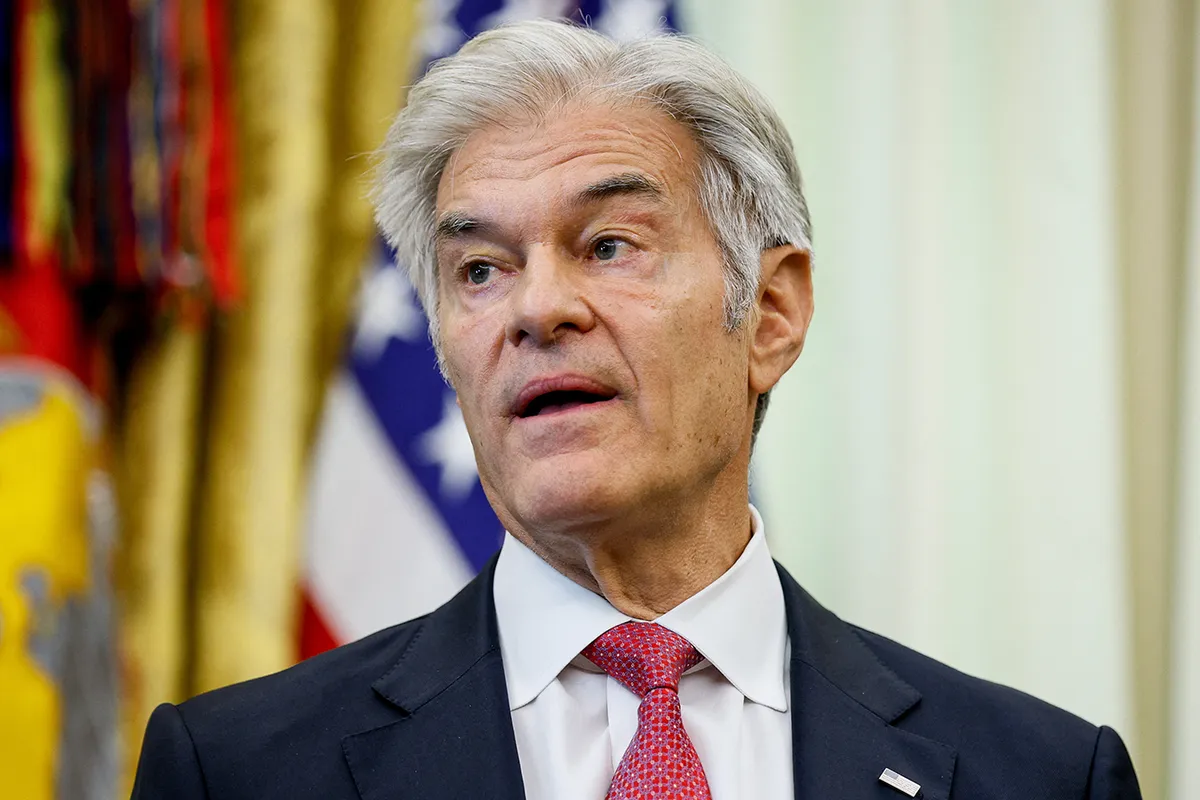
Dr. Mehmet Oz, who leads the Centers for Medicare and Medicaid Services, the federal agency that oversees Medicaid, lashed out at a reporter who challenged President Donald Trump's effort to shore up rural health care with a new $50 billion fund, noting that the same law includes far larger cuts to Medicaid.
The heated exchange unfolded during an interview with Molly Martinez of Gray Media's Washington News Bureau. Martinez pressed Oz on projections showing that Trump's signature domestic policy law would reduce federal Medicaid spending in rural areas by $137 billion over ten years, while the administration has simultaneously advanced a $50 billion initiative to improve medical services in rural regions. In her view, the White House was offering a remedy for a financial problem its own legislation created.
Oz erupted at the numbers, raising his voice. In a video Martinez posted on X, he told her, "You're repeating talking points that are not only wrong, but they're deliberately duplicitous."
Martinez asked him to explain what he believed was wrong. Oz dismissed the $137 billion figure as an inaccurate depiction of money that reaches rural institutions directly, arguing that Medicaid funding generally flows through the states to large hospital systems in cities and does not reach smaller, rural providers. That framing speaks to the program's basic structure: Medicaid is financed jointly by the federal government and the states, which administer coverage on the ground. He contended that the administration's new rural health program delivers an unprecedented increase in resources for those communities.
Martinez did not back down, pressing the comparison again and accusing the administration of returning only a small fraction of what its law would take away.
"That is incorrect and dishonest and a deliberately duplicitous question," Oz responded.
Independent research supports the funding comparison on the underlying figures. According to the Kaiser Family Foundation, a nonpartisan health policy research organization, the law Trump signed on July 4, 2025, is projected to cut federal Medicaid spending nationwide by $911 billion over a ten-year period, including the $137 billion affecting rural areas.
The Rural Health Transformation Program, which carries a $50 billion budget, will distribute funding to states over five years, from 2026 to 2030. KFF calculates that this total amounts to roughly 37 percent of the estimated rural Medicaid reductions, even though the programs differ in aims and time frames. The first state allocations, due in 2026, will offer an early look at how the new money moves through the program in practice.
The grants also cannot replace lost Medicaid revenue. Federal rules limit direct payments to providers to 15 percent of a state's award and bar the use of those funds to supplement existing Medicaid payments, meaning the $50 billion is designed to fund rural service improvements rather than backfill program revenue.
Martinez cited the Congressional Budget Office, Congress's nonpartisan budget and economic analyst, and the Center for American Progress, a progressive policy research organization, in support of her figures, and noted the burden on rural patients who must travel long distances to reach hospitals. When she told Oz she had spoken with people who find health care unaffordable and asked what he would say to them, the former television host replied: "We're pouring money into places where the money should be spent."
This article is based on original reporting by Alternet.

