Trump Says US in Talks with Iran on Reopening Strait of Hormuz This Week
Key Takeaways
- •Trump stated that negotiations with Iran are underway to fully reopen the Strait of Hormuz, potentially as soon as the following day, despite Tehran's denial of any talks.
- •The proposed framework prioritizes restoring strait access as Phase 1, with discussions on Iran's denuclearization to follow in Phase 2.
- •Trump insisted the U.S. maintains complete naval control of the strait through a blockade he called the 'U.S. wall of steel' and will not permit Iran to collect transit fees from passing vessels.
- •The Strait of Hormuz handles roughly one-fifth of daily global petroleum consumption, making any prolonged disruption a significant concern for energy security worldwide.
- •Trump described the current round of discussions as a 'last chance' for Iran and said he wanted to give them every opportunity before considering military action.
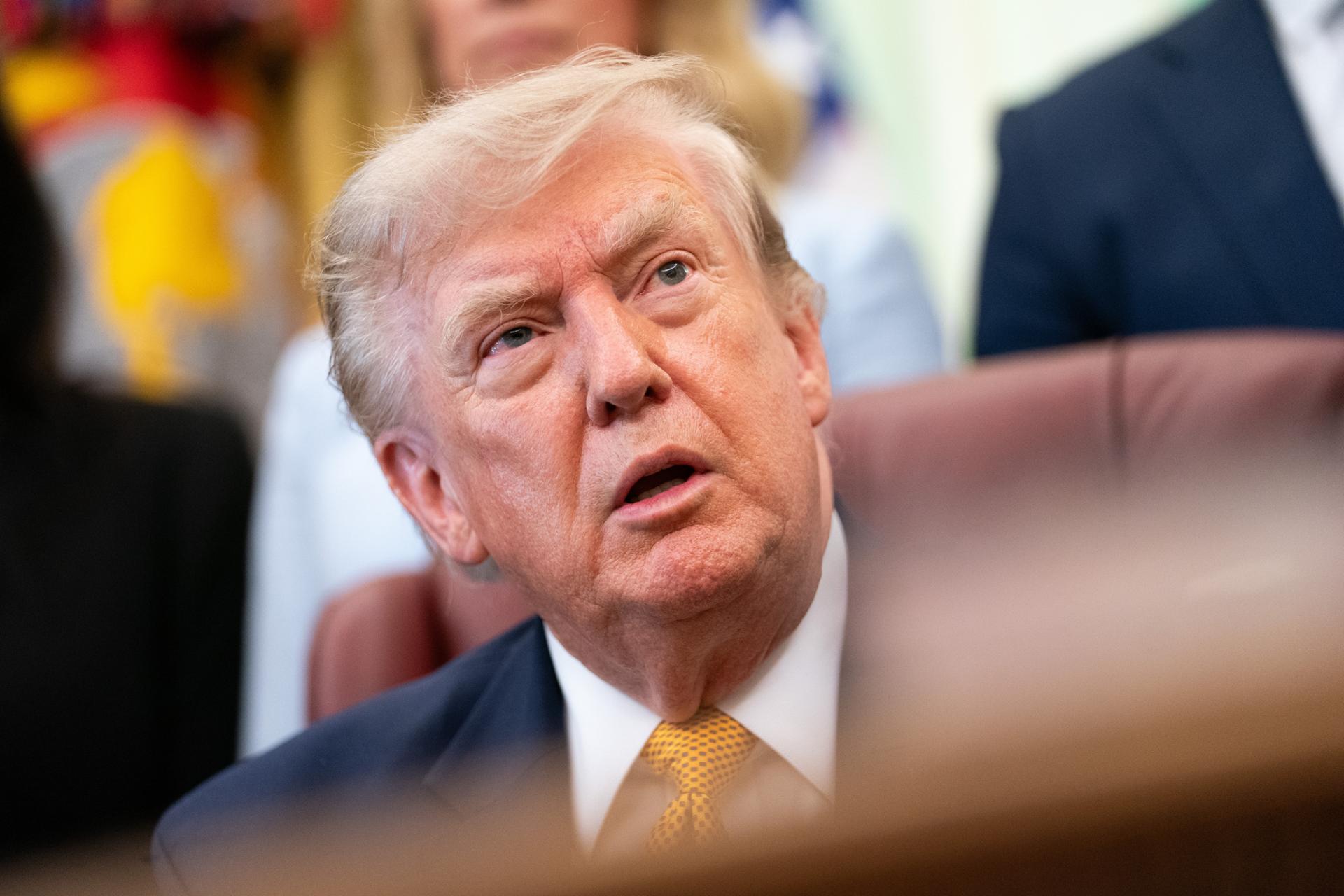
WASHINGTON — U.S. President Donald Trump said Monday that ongoing talks with Iran are focused on reopening the strategically vital Strait of Hormuz, claiming the waterway could be open "literally" by the following day, even as Tehran has publicly denied engaging in any negotiations with Washington.
The Strait of Hormuz is the world's most important oil transit chokepoint, through which roughly a fifth of global petroleum consumption passes daily. Any disruption to the narrow waterway — just 21 miles wide at its narrowest point — reverberates across energy markets and supply chains from Asia to Europe.
Speaking during a press availability at the White House, Trump characterized the latest round of discussions as a "last chance" for the Islamic Republic and urged Tehran to "sign a good document."
"(The talks with Iran) are going on right now," Trump said, noting that the Iranian side appears reluctant to acknowledge the negotiations "even though they spent hours and hours together talking."
Earlier in the day, Trump took to social media to call Iranian leadership "duplicitous" following their denial that Tehran was in talks with Washington.
When asked whether he had a message for the American public regarding his repeated decisions to hold off on threatened military strikes against Iran, Trump responded: "I want to give them every last chance before decapitation."
The president outlined a two-phase framework for the negotiations. He described the "complete" reopening of the Strait of Hormuz as the "first phase," followed by discussions on Iran's nuclear program as the "second phase."
"We are talking about the strait — the opening of the strait, having it open literally by tomorrow, completely open, and that's Phase 1," he said.
"Phase 2 is we then will talk about the nuclear capacity ... Basically ... the denuclearization of Iran has to happen ... They cannot have a nuclear weapon," he continued.
Trump also reiterated that he would not permit Iran to levy transit fees on ships passing through the Strait of Hormuz. He emphasized that the United States maintains "total" control of the waterway through a naval blockade he referred to as the "U.S. wall of steel."
"I am not going to let them charge," he said. "No, there's not going to be charging. We are not talking about charging at all. There won't be charging."
Iran has periodically threatened to close the strait over the years as leverage in confrontations with Western powers, though it has never fully followed through on a sustained closure.
The potential reopening of the strait has drawn close attention from South Korea and other nations that depend heavily on the waterway for energy imports. Major Asian economies including Japan, China, and India also rely substantially on oil and liquefied natural gas shipments transiting the route, making any prolonged disruption a concern for global energy security.

