Analysis Finds Key Flaw in Trump's Claim That Slotkin Called for Political Prosecutions
Key Takeaways
- •President Trump accused Sen. Elissa Slotkin of calling for prosecutions designed to scare people away from going into politics, also calling her a 'lowlife' who is 'ruining her state.'
- •Slotkin maintained that her October 13 remarks referred to congressional oversight tools such as hearings and subpoenas, not criminal prosecutions, which are brought by the Justice Department within the executive branch.
- •Jonathan Chait argued that a scenario with Democrats controlling Congress while Republicans run the executive branch would actually limit any ability to pursue charges through the Justice Department.
- •Republicans, including Sen. Mike Lee and former press secretary Ari Fleischer, along with a Wall Street Journal editorial, criticized Slotkin's comments as threats to public service or political retribution.
- •Chait cited Trump's past calls to lock up Hillary Clinton and pressure on Ukraine to investigate Biden as evidence of hypocrisy, and noted the dispute centers on the congressional majority at stake in the November midterms.
President Donald Trump has accused Democratic Sen. Elissa Slotkin of threatening political prosecutions designed to discourage Americans from serving in government, but a new analysis points to a significant problem with his characterization.
Writing in The Atlantic on Wednesday, Jonathan Chait challenged Trump's account of remarks Slotkin made at a University of Chicago gathering on October 13 with journalist Astead Herndon. There, Slotkin — a Michigan Democrat and former CIA analyst who later held national security posts at the Pentagon — maintained that she had not called for political prosecutions, and that her argument applied specifically to Democrats pursuing corruption charges should they win a majority in Congress in November.
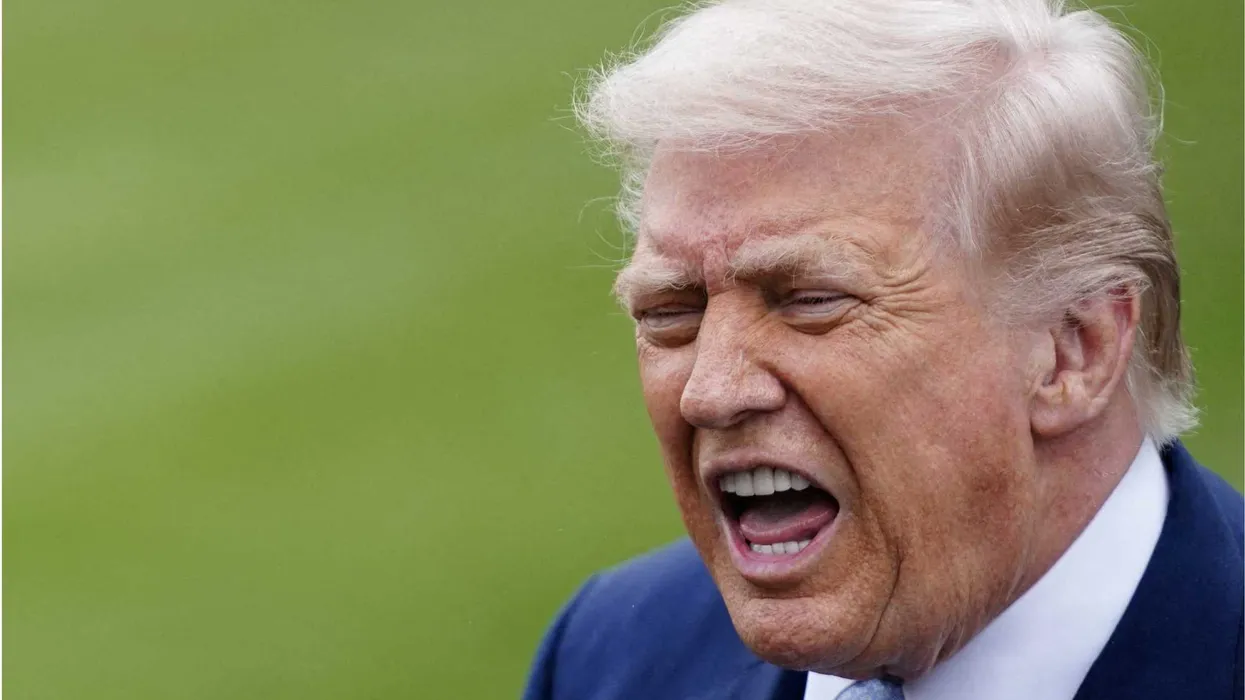
"Slotkin said that there should be prosecutions in order to scare people from going into politics," was how Trump put it to reporters outside the White House, also calling her a "lowlife" who is "ruining her state."
According to Chait, however, Slotkin was referring to congressional oversight, not criminal investigations. She laid out a scenario in which Democrats controlled Congress while Republicans still ran the executive branch — an arrangement that would, in fact, limit what could be done through the Justice Department. Under the U.S. system, criminal prosecutions are brought by the Justice Department, which sits inside the executive branch, while Congress's leverage over a sitting administration comes through oversight tools such as hearings and subpoenas. In her view, Democrats should focus on "signature cases" rather than a far-reaching investigation. "We do have to have accountability for the unbelievable corruption that we are living under right now," she said.
Chait argued that Republicans have failed to make that distinction in her proposal. Utah Sen. Mike Lee decried what he saw as threats to young Americans in public service, while former Bush press secretary Ari Fleischer also piled on the criticism of Slotkin.
Conservatives framed her remarks as going after Republicans for what they believe rather than for specific acts of corruption.
To Chait, the reaction shows how readily Republicans will stand with the president even when he faces accountability, even though some of them have voiced opposition to Trump in the past. An editorial in the Wall Street Journal, meanwhile, accused Slotkin of pursuing a Biden-era attempt at political retribution that criminalizes political difference. The clash is unfolding ahead of the November midterm elections, in which voters will decide whether Democrats capture the congressional majority at the heart of the scenario Slotkin described.
Chait that Biden behaved as the WSJ editorial suggests, dismissing the idea of tit-for-tat retribution as a "superficial appeal." He pointed to Biden's appointment of Merrick Garland, whom he says had bipartisan respect. He also argued that the former president only appointed Jack Smith when there was evidence of Trump's refusal to cooperate. He acknowledged the Manhattan case was questionable, but said Biden was not responsible for it.
Herndon also noted that Trump has attempted to protect himself from accountability by stacking the courts and placing MAGA loyalists throughout the Republican Party. The pair further argued that Slotkin's point was that exposing the administration's corruption might deter Republicans from joining the administration and continuing in the same vein.
Chait also called out Trump's hypocrisy, noting that he called for Hillary Clinton to be locked up and pressured Ukraine to investigate Biden long before the criminal cases against him emerged.

