Security Expert Warns Trump’s Saudi Nuclear Deal Could Be ‘Worst Nuclear Deal in History’
Key Takeaways
- •Joseph Cirincione warned that the Trump administration’s nuclear deal with Saudi Arabia could enable uranium enrichment and plutonium reprocessing.
- •Cirincione said access to the full nuclear fuel cycle could give Saudi Arabia technologies relevant to nuclear weapons development.
- •The expert argued that the deal could weaken a longstanding U.S. policy of limiting other countries’ access to enrichment and reprocessing capabilities.
- •Saudi Arabia has previously said it would seek nuclear weapons if Iran acquired them.
- •Cirincione questioned the economic case for Saudi nuclear power, citing the country’s oil resources and potential for cheaper solar and wind energy.
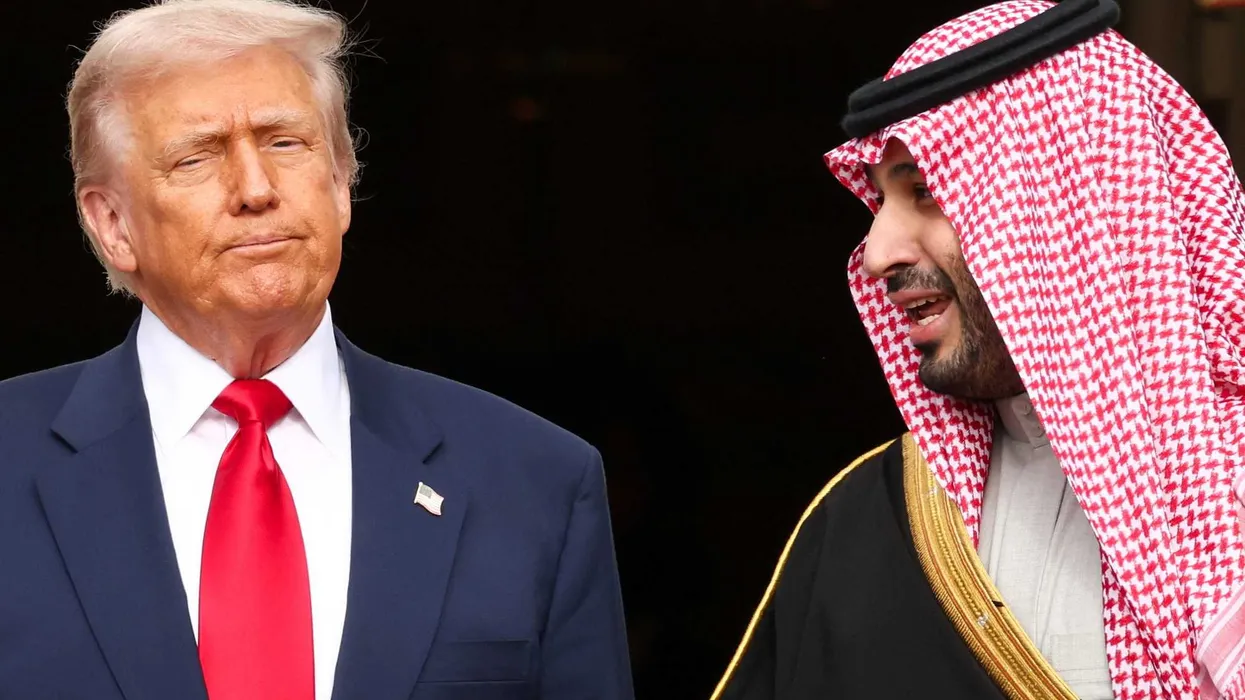
President Donald Trump is moving toward what one prominent national security expert described as potentially "the worst nuclear deal in history," warning that the administration’s new agreement with Saudi Arabia "could unleash a flood of new nuclear programs."
Joseph Cirincione, a national security expert and vice chair of the Center for International Policy Board of Directors, raised the alarm Saturday in a piece for MS NOW. He examined Trump’s recently announced nuclear deal with the Saudi government, saying it would allow Saudi Arabia — a Middle Eastern country where Trump’s family has conducted numerous business deals — to "enrich uranium and reprocess plutonium, the two ingredients used in nuclear bombs."
The agreement comes as Trump and his administration have repeatedly argued that "nuclear technology is a grave threat in the hands of Iran’s ruling regime," and that Iran would inevitably use such materials to build a nuclear weapon. Saudi Arabia’s ruling family has previously said it would pursue the development of nuclear weapons if Iran ever obtained one.
Cirincione warned that the arrangement could create a dangerous precedent, writing, "If the Saudis get this technology, others will demand it too." That is the central proliferation concern he identifies: not simply whether Saudi Arabia builds civilian reactors, but whether a U.S.-backed deal normalizes access to the fuel-making and fuel-processing capabilities that can also be used in weapons programs.
"Since the dawn of the Nuclear Age, U.S. policy has denied the ability to enrich uranium and reprocess plutonium to other nations because it is a shortcut to nuclear weapons," Cirincione explained. "The huge and expensive facilities can be developed openly and legally until a government takes the quick jump from making fuel rods to making the cores of bombs. With this deal, Trump has effectively just green-lit a Saudi nuclear bomb program. How did we get here?"
Cirincione also questioned Saudi Arabia’s stated interest in nuclear power, arguing that the economic case is weak. "Nuclear is the most expensive way to produce electricity, and Saudi Arabia sits on an ocean of oil and is ideally suited for much cheaper solar and wind energy production," he wrote. In his view, the country’s push for nuclear power would "make little economic sense."
He said the core issue is not merely civilian nuclear energy, but Saudi Arabia’s desire to control the full set of technologies involved in producing and processing nuclear fuel. Any final terms governing enrichment and reprocessing would therefore be the key point to scrutinize, because those provisions determine whether the deal remains limited to power generation or extends into capabilities Cirincione says are directly relevant to nuclear weapons.
"Saudi Arabia wants the entire nuclear fuel cycle," Cirincione continued. "It wants to make the fuel for the reactors, then reprocess the spent fuel rods when they are used up. The same centrifuges that spin uranium gas to enrich it to the low levels required for nuclear fuel can spin it to the high levels for the cores of nuclear bombs. The same reprocessing plants that can break down used fuel rods for waste disposal can separate out the reactor-produced plutonium in those rods for use in nuclear bombs. With these plants, Saudi Arabia would have both pathways to the bomb. The Hiroshima atomic bomb was made of uranium; the Nagasaki bomb, plutonium."
Cirincione concluded by pointing to Saudi Arabia’s political influence in Washington and the financial interests that could surround the deal.
"... Saudi influence in Washington is powerful, particularly with Trump and his business partners, who could profit handsomely from the deal. It will take an all-out effort to block what could be the worst nuclear deal in history," he wrote.

