Trump's NATO and Russia Policies Are 'Sowing the Seeds for Anarchy,' Commentary Warns
Key Takeaways
- •Emmy Award-winning commentator Simon Marks wrote in The i Paper that President Trump is moving the United States into Russia's orbit in a way that could undermine NATO and potentially collapse the transatlantic alliance.
- •The Kremlin is still weighing Trump's invitation for President Putin to attend the G20 summit that Trump is due to host at his golf club in Doral, Florida.
- •Putin remains subject to an International Criminal Court arrest warrant issued in March 2023 over the alleged unlawful deportation of Ukrainian children.
- •Russia has embraced Trump's efforts to ease its economic isolation, viewing the exemption from special sanctions as a 'truly historic moment,' while Trump has repeatedly characterized Ukraine as the troublemaker in the conflict.
- •Denmark deployed special operations forces to Greenland after Trump suggested the United States might not defend fellow NATO members under Article 5—or might even be the attacker.
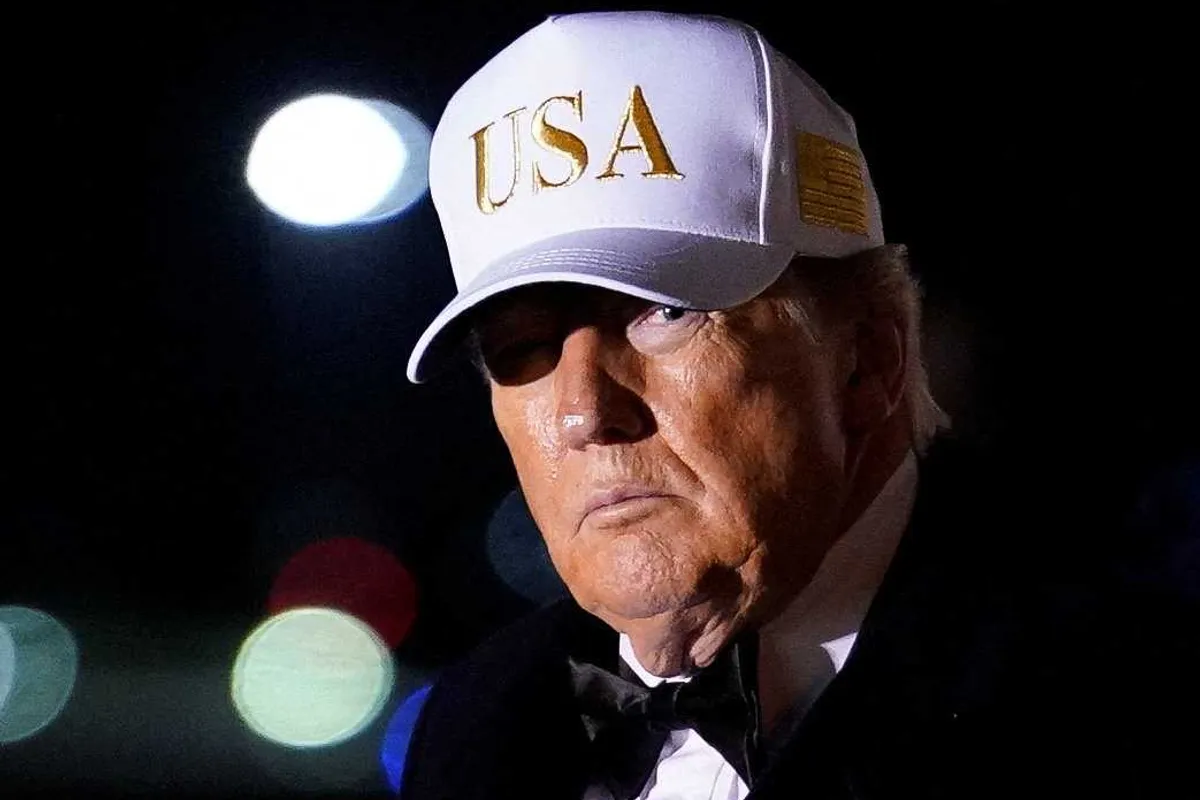
President Donald Trump's approach to foreign policy — particularly his posture toward NATO and the rest of Europe — is creating anarchy, according to a piece published Sunday in a British political newspaper.
"Trump is sowing the seeds for anarchy by moving America directly into Russia's orbit, a ploy that would undermine NATO and potentially even collapse the transatlantic alliance," wrote Simon Marks, an Emmy Award-winning US commentator based in Washington, DC, in The i Paper. "Two months before Trump is due to host the G20 summit at his golf club in Doral, Florida, he wants to solidify relations with Putin and restore him to the world's top table."
Marks noted that the Kremlin is still weighing Trump's invitation to Putin. "Prime Minister Andy Burnham and his G20 colleagues could be forced to decide how to respond if the Russian leader – wanted for Ukraine-related war crimes by the International Criminal Court – is walking alongside them among the palm trees in the Sunshine State," he wrote. The Hague-based court issued its warrant for Putin in March 2023 over the alleged unlawful deportation of Ukrainian children, and its member states — including the United Kingdom — are obliged to cooperate with its arrest requests.
After reviewing Trump's efforts to ease the economic isolation imposed on Russia since its 2022 invasion of Ukraine, Marks described how Moscow has embraced the US president's policies, viewing the exempting of Russia from special sanctions as a "truly historic moment."
"Trump may well view things through the same prism," Marks argued. "His irritation with Zelensky has long been evident, and over the past week he has repeatedly characterised Ukraine as the troublemaker for refusing to solve the conflict, rather than Russia, which continues to terrorise Ukrainian civilians and demand 30 per cent of its neighbour's territory."
Marks also observed that Trump's foreign policy missteps have carried a domestic political cost. "Having relentlessly insisted that the issue of 'affordability' is a made-up concept concocted by the Democrats, blamed Ukraine for America's economic woes rather than his fruitless war on Iran and done nothing to provide Republicans with tangible policy support in the final weeks of the midterm campaign, Trump would have been hard pressed to do more to undermine his party's fortunes," he wrote.
Conservative voices have echoed some of these concerns. "To be clear," the National Review wrote in September, "Trump was right about one big thing: that Greenland merited much more attention than it had been getting. The Arctic may not have warmed up by as much and as quickly as Al Gore and others claimed it would, but it has done so by enough to render it much more accessible than before. As a result, it is becoming a zone of geopolitical competition for its resources and, more simply, because of location, location, location. For obvious geographical reasons, that increases the already-considerable importance of Greenland to this country."
Mike Nelson, a retired Army Special Forces officer and a member of the Atlantic Council's Counterterrorism Project, voiced similar alarm in The Dispatch in July. "The world's liberalacies had grown comfortable and complacent, like the eponymous character at the beginning of Rocky III, while the tyrannical, authoritarian, and malign regimes (the Clubber Langs of the world, if you will) grew stronger and more prepared," he wrote.
Nelson was particularly troubled that "President Trump has continued to suggest that the United States—the most powerful of NATO's member nations—might not support its fellow members if they were attacked. Trump has even suggested that the United States might be the country doing the attacking. The Danes took his threats against Greenland so seriously that they deployed their special operations forces to the territory in preparation for an American offensive." Greenland is an autonomous territory of the Kingdom of Denmark, with responsibility for the island's foreign and security policy resting in Copenhagen. Article 5 of NATO's founding treaty, meanwhile, treats an armed attack against one member as an attack against all — the collective defense guarantee at the heart of the transatlantic alliance that Marks warns could even collapse.

