Trump Backs Plan Offering Russia Sanctions Relief in Exchange for Release of Political Prisoners
Key Takeaways
- •Trump has backed an early-stage plan by envoy John Coale under which Russia would free dissidents, journalists, and other detainees while Washington eased certain economic restrictions.
- •Coale previously applied a similar approach in Belarus, where U.S. negotiations resulted in the release of hundreds of prisoners alongside sanctions waivers and trade discussions.
- •The proposal contrasts with legislation Trump signed weeks earlier allowing tariffs of up to 100 percent on imports from countries maintaining significant trade with Russia or Iran.
- •Ukrainian President Volodymyr Zelensky said he would attempt to block any sanctions relief before the fighting ends, warning that expanded trade would give Moscow more resources to sustain the war.
- •The initiative could create friction with Republicans who favor tougher action on Russia and may reopen U.S.-Russia commerce in energy, minerals, and other sanctioned sectors.
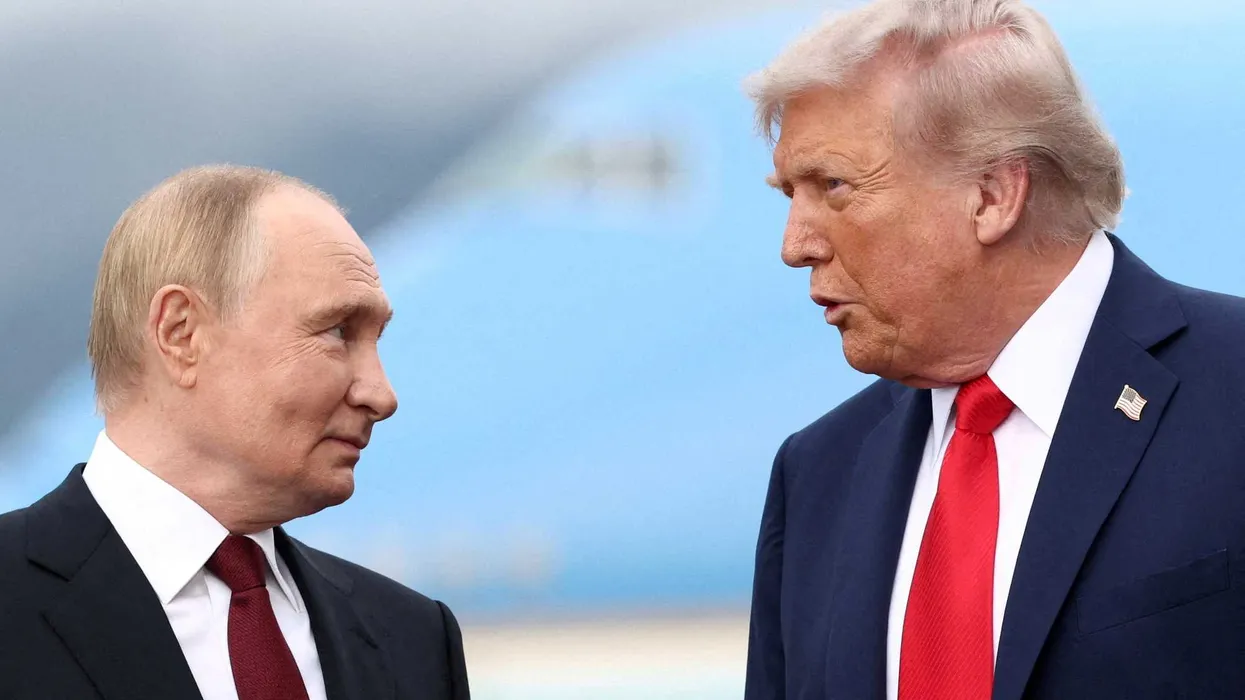
President Donald Trump has endorsed a proposal that would grant Russia a measure of sanctions relief in exchange for the release of political prisoners — an initiative that could place his administration at odds with Ukraine, European governments, and some Republicans in Congress.
The idea was put forward by John Coale, Trump's envoy to Eastern Europe, and remains in its early stages, according to a report by The Atlantic. Coale told the magazine that he raised the proposal with Trump after their discussions about prisoner releases, which included Russian journalist and Nobel Peace Prize laureate Dmitry Muratov, the longtime editor of the independent Russian newspaper Novaya Gazeta, and that the president then agreed to let him move ahead.
Under the plan, Moscow would free dissidents, journalists, and other detainees, while Washington could respond by easing a number of its economic restrictions. Coale has previously used a comparable approach in Belarus, where U.S. negotiations led to the release of hundreds of prisoners as Washington waived certain sanctions and explored trade agreements.
“All this stuff works toward the possibility of peace,” Coale told The Atlantic. “The more interaction, the more trade-offs — either economic, prisoners, or whatever — leads step by step toward, hopefully, peace.”
The proposal comes just weeks after Trump signed legislation authorizing tougher sanctions against Russia and against countries conducting major economic transactions with Moscow. According to Reuters, the law allows tariffs of up to 100 percent to be imposed on imports from countries that maintain significant trade with Russia or Iran.
Some lawmakers have pressed Trump to impose greater costs on Moscow over the war in Ukraine, and a shift toward sanctions relief could therefore create friction within his own party — particularly if Russia has not agreed to a cease-fire. Republicans such as Sen. Mitch McConnell have argued for tougher action against Russia, and all but seven House GOP members backed the sanctions measure Trump signed last month.
Ukrainian President Volodymyr Zelensky has also said that sanctions should not be relaxed before the fighting ends. Speaking to The Atlantic, he said he would attempt to “block” such a decision and warned the United Nations that expanded trade with Russia could give Moscow additional resources to sustain the war.
“When someone gives Russia more money through trade, they give this war more time,” Zelensky said.
The White House said Trump remains focused on reaching a settlement. According to an official who spoke to The Atlantic, the president and his team are firmly committed to continuing to play a constructive role in bringing an end to the war between Russia and Ukraine.
Coale's proposal could also open the way for renewed business relations between the United States and Russia in energy, minerals, and other commodities — sectors where commerce has been constrained by sanctions since Russia's full-scale invasion of Ukraine in 2022. The foundation of his approach is the belief that economic engagement can reduce tensions and create incentives for peace.
Ukraine, along with a number of European officials, has adopted the opposite position, arguing that sanctions should remain in place as long as Russia continues its military campaign. With the initiative still in its early stages, who would be freed and which restrictions could be eased remain open questions.

