Ex-Trump Officials Accuse Pentagon Official Sean Parnell of Lying About Role in Key Veterans Law
Key Takeaways
- •Sean Parnell, a senior defense official being considered for Army secretary, is at the center of a dispute over his Pentagon biography's claim that he played a pivotal role in passing the 2018 MISSION Act.
- •Five former Trump administration officials, along with one current and one former Capitol Hill staffer who worked on the bill, told Politico that Parnell had no direct role in getting the legislation passed.
- •Defense Secretary Pete Hegseth has offered a contrasting account, saying Parnell helped draft the bill's language and met with members of Congress and veterans across the country.
- •Parnell's ex-wife, Laurie Snell, has testified that he had an affair, harassed her, and strangled her during their marriage, allegations Parnell has called false.
- •Parnell signed tighter Pentagon press rules, including closing the Correspondents' Corridor and requiring escorts for journalists, which he defends on national security grounds as the Pentagon appeals court rulings against the earlier policy.
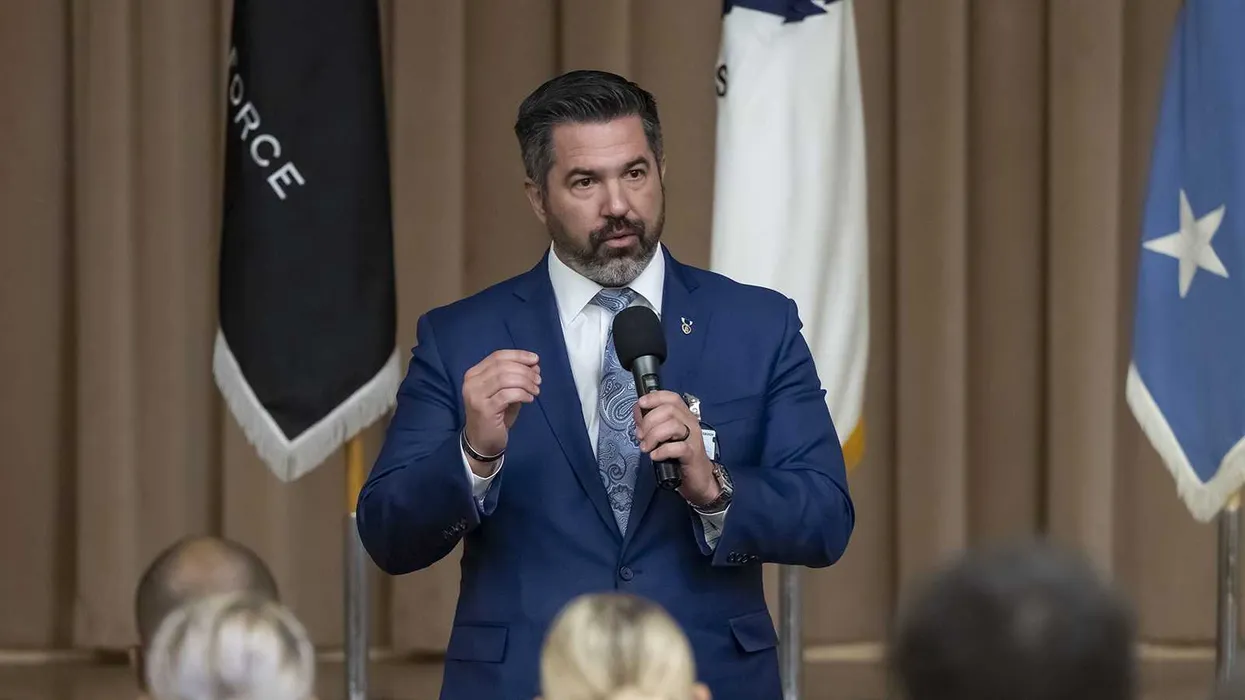
Ex-Trump officials and Capitol Hill staffers are disputing claims in the Pentagon biography of Sean Parnell, a senior defense official who is being considered to serve as secretary of the U.S. Army. The clash centers on how Parnell's work during Trump's first term is represented in official materials — a record that bears directly on his consideration for the Army's top civilian post.
According to Politico's "Playbook" newsletter, Parnell's Pentagon biography states that he "played a pivotal role in the passage of the MISSION Act," the 2018 measure signed by President Donald Trump that was intended to give veterans health care options and reform the Veterans Administration during Trump's first term.
But five former Trump administration officials, along with one current and one former Capitol Hill staffer who worked on the bill, told the newsletter that Parnell had "no direct role" in getting the legislation passed. One former official described the bio's claim as "simply false."
Defense Secretary Pete Hegseth, by contrast, has said Parnell helped draft the bill's language and met with members of Congress and veterans across the United States. The two accounts present directly opposing versions of Parnell's work on the veterans health care measure.
The biography dispute is not the only controversy surrounding Parnell. His ex-wife, Laurie Snell, has testified that he had an affair, that he was "tracking" her, and that he sent "harassing" text messages. While the two were coordinating a visit for their daughter's birthday, she said, he called her "a liar and a manipulative sociopath" and "erratic." Reading the text messages aloud in court, she said, she asked him to stop saying such "mean, awful things." He told her, according to her testimony, that "no one is bullying you at all."
Snell also alleged that "[Parnell] tried to choke me out on a couch and I literally had to bite him" to get free, the Philadelphia Inquirer reported at the time. "He was strangling me," she said, citing profane names she said he called her. She also told reporters that he slapped one of the children hard enough to leave marks through the child's shirt. Parnell has called the accusations false.
Parnell has additionally drawn criticism over tighter Pentagon press restrictions, which opponents argue curb independent scrutiny. After a federal judge struck down major parts of the Pentagon's earlier press policy in March, Parnell signed replacement rules that closed the long-standing "Correspondents' Corridor," moved reporters to an outside annex and required journalists to be escorted within the building. He has said the measures are justified by national security. The Pentagon has appealed the court rulings, leaving the fight over press access unresolved.

