Trump's 'Ceasefire' Handed Putin a $4 Billion Lifeline, New York Times Columnists Say
Key Takeaways
- •New York Times columnists David French and Thomas Friedman argued that Trump's diesel purchase deal with Russia is a strategic misstep and a continuation of his support for Putin.
- •French wrote that the purchase will direct roughly $4 billion to Russia at a time when its offensive has gained only about 100 square kilometers of territory in 2026.
- •Multiple intelligence reports allege Russia has shared intelligence with Iran, including data from spy satellites about American positions, though Trump has said he does not believe them.
- •Ukraine paused its bombing under the announced ceasefire while Russia continued strikes, and Zelenskyy declared Ukraine will resume attacks on Russian oil infrastructure that finances the war.
- •Former Homeland Security chief of staff Miles Taylor called for investigations into Trump's collusion with Russia to be renewed.
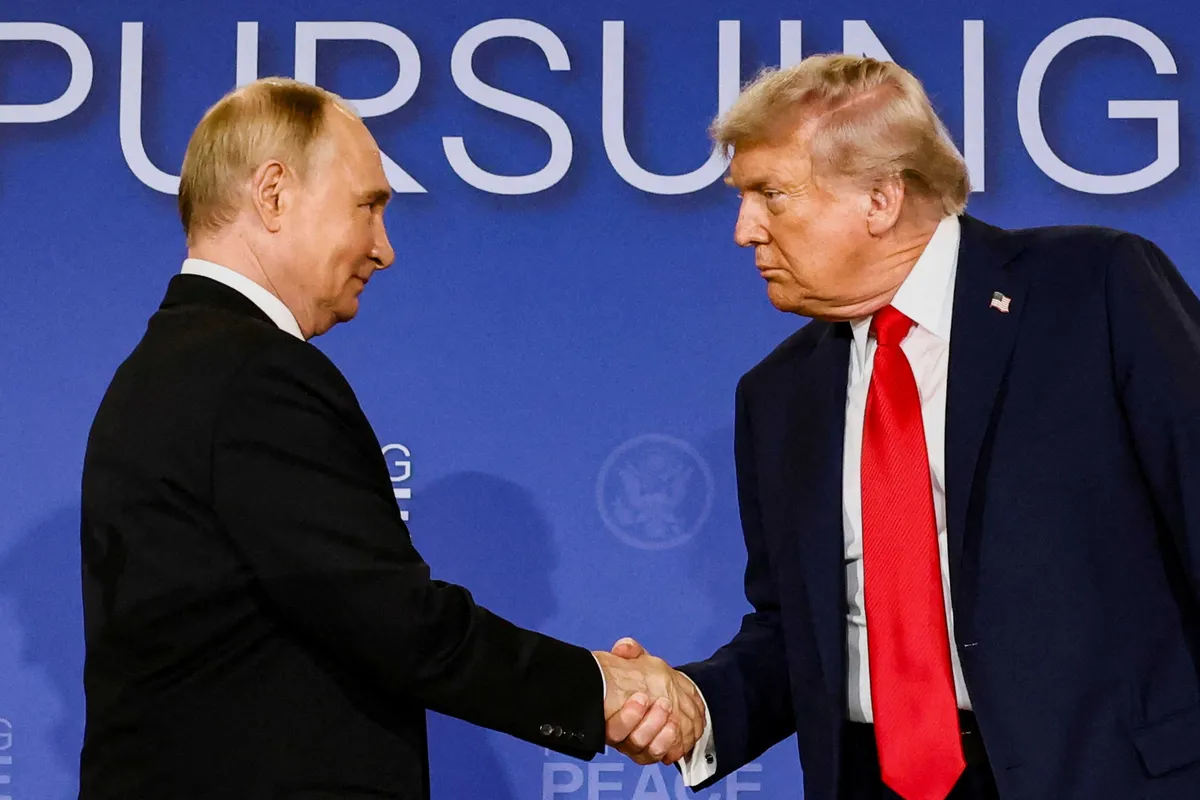
Russia's war in Ukraine had been going badly, and it had not improved since Kyiv stopped holding back its strikes. Until recently, Moscow's offensive was failing, and its battlefield momentum had largely stalled. The full-scale invasion was by then more than four years old, having been launched by Russia in February 2022. That, according to a report from Alternet, is when President Donald Trump threw Russian President Vladimir Putin a lifeline.
In columns published Thursday, New York Times columnists David French and Thomas Friedman argued that Trump's "deal" — a small purchase of diesel from Russia — will go down in history not only as a strategic misstep, but as a further addition to Trump's support of Russia over the years.
"He will enter the history books in the chapter on leaders who sold out their country's democratic values to appease a dictator," Friedman wrote in his column.
French agreed: "He is turning the American government against Ukraine, funding Russia and — perhaps worst of all — playing directly into Putin's of victory."
Trump's purchase, French continued, will put roughly $4 billion into Russian coffers at a time when Putin desperately needs the money.
The arrangement carries added weight in light of intelligence reports about Moscow's relationship with Tehran. A March CNN report alleged that Russia has been helping Iran by giving it access to Russian intelligence, including where Americans are positioned in the region. Ukrainian President Volodymyr Zelenskyy made a similar claim in June, saying Russia had helped Iran. A September CNN report cited two of Trump's own officials, who said Russian spy satellites are feeding intelligence to Iran.
Trump, however, has made clear that he simply does not believe those reports, Politico reported last week.
Trump then falsely claimed there was a "deal" and a "ceasefire."
"Consider that for a moment. Trump wasn't announcing a deal at all. There was no deal. He made it up and then demanded that both nations do what he said," French wrote.
Ukraine complied, pausing its bombing, while Russia did not. "I don't think he deserves a respite," Russian Foreign Minister Sergey Lavrov said.
To Ukraine, French wrote, "the message is clear: You are at our mercy."
The episode followed what French described as a very bad summer for Russia, in which its offensive was an utter failure. In all of 2026, Russia has managed to gain roughly 100 square kilometers — under 39 square miles.
The Kyiv Post reported Thursday that Zelenskyy said, "We're done." He announced his intention to continue bombing Russian oil infrastructure, particularly after Russia began intentionally striking civilians. Russian oil sales have bankrolled the war effort from the start of the invasion, making that infrastructure one of the revenue streams sustaining it.
Friedman wrote that he has never bought into the idea that Trump is some kind of Russian agent or is being paid by Putin.
"It is much worse. He simply does not cherish democracy. He cherishes money. And he has no problem selling the first for the second. When he acts in his own commercial interests, that's his personal business. When he uses the American presidency to make a buck, it is our collective shame," said Friedman.
French agreed, saying the approach is not "America First" but "Trump First." He said he fears that under Trump's second term, the United States has become "worse than unreliable" — "unhinged," as he put it — and that the cost will fall not only on the United States but on the world.
Separately, in his Thursday column, former Homeland Security chief of staff Miles Taylor wrote that he believes it is time for investigations into Trump's "collusion with Russia" to be renewed. Whether those investigations move forward — and whether Ukraine follows through on its stated plan to keep striking Russian oil infrastructure — are the immediate threads to watch in the aftermath of the announced ceasefire.

