US Reinstates Naval Blockade on Iran in Strait of Hormuz Amid Rising Tensions
Key Takeaways
- •The U.S. has reinstated a naval blockade in the Strait of Hormuz targeting Iranian-linked vessels, enforced by CENTCOM forces.
- •The blockade was temporarily lifted during the most recent round of U.S.–Iran negotiations before being reimposed.
- •The Strait of Hormuz transits roughly one-fifth of the world's daily oil supply, making it one of the most strategically significant shipping lanes globally.
- •Prediction markets assign only a 9.5% probability to the U.S. announcing an end to the blockade by August 15, 2026.
- •The blockade is expected to increase war-risk insurance premiums for shipping through the Persian Gulf, raising costs for energy exporters and importers.
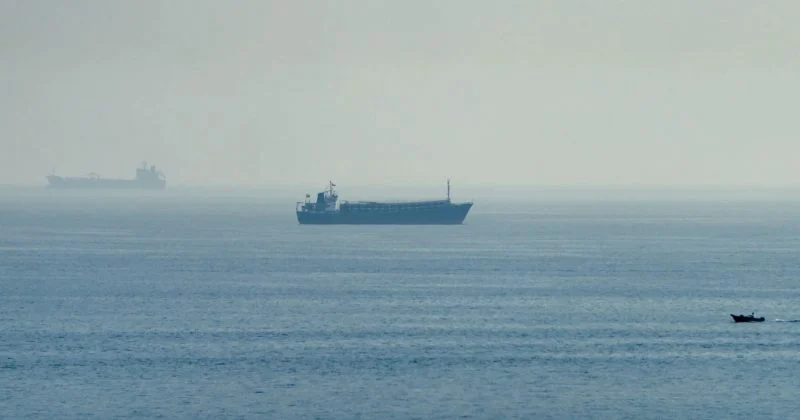
The Trump administration has reinstated a naval blockade targeting Iran in the Strait of Hormuz, a critical maritime chokepoint through which roughly one-fifth of the world's daily oil supply transits. The decision follows a brief suspension of the blockade during the most recent round of negotiations between Washington and Tehran, and signals a renewed push by the U.S. to apply maximum economic pressure on Iran without resorting to direct military action.
The blockade is being enforced by U.S. Central Command (CENTCOM), the combatant command responsible for American military operations across the Middle East and Central Asia. CENTCOM forces are intercepting and diverting vessels with known ties to Iran, aiming to disrupt maritime trade flows that are vital to the Iranian economy.
The Strait of Hormuz, situated between Iran and Oman, connects the Persian Gulf to the Gulf of Oman and the wider Arabian Sea. It is widely regarded as one of the most strategically significant shipping lanes in the world. The narrow waterway has been a recurring flashpoint in U.S.–Iran relations for decades, from the “Tanker War” phase of the Iran-Iraq War in the 1980s to a series of tanker incidents in 2019. Iran has periodically threatened to close the strait in response to Western pressure, though doing so would also disrupt Iran’s own energy exports and risk drawing a multinational military response.
The reinstatement of the blockade comes amid heightened regional tensions and reflects the administration’s continued emphasis on economic sanctions and maritime interdiction as its primary tools for influencing Iranian behavior. Such actions have historically led to elevated war-risk insurance premiums for shipping through the Persian Gulf, increasing costs for energy exporters and importers alike.
Prediction markets have responded to the development. The probability of the U.S. announcing an end to the blockade by August 15, 2026 has fallen to 9.5% YES, while the likelihood of a similar announcement by August 31, 2026 stands at 31.5%.
Market participants are closely monitoring official statements from the White House and CENTCOM for any indication of a shift in blockade policy. Additional factors being watched include the trajectory of U.S.–Iran negotiations, potential maritime incidents in the Strait of Hormuz, and operational updates from the U.S. Navy. A formal diplomatic agreement or significant breakthrough in bilateral talks could alter current market pricing and potentially signal an end to the blockade.

