Trump's Effort to Void Biden Pardons Backfires, Giving Fauci Legal Grounds to Invoke Fifth Amendment
Key Takeaways
- •Dr. Anthony Fauci invoked his Fifth Amendment right during a Senate Homeland Security Committee hearing, citing President Trump's push to void his Biden-era pardon as justification for fearing future prosecution.
- •Former President Biden granted Fauci a preemptive pardon in January 2025, but Trump declared those pardons null and void in December 2025, creating unprecedented and legally unresolved questions about presidential pardon revocation.
- •Pro-Trump former federal prosecutor Bill Shipley acknowledged that Trump's campaign to invalidate Biden's pardons inadvertently strengthened Fauci's legal basis for refusing to testify, undermining Republican senators' strategy.
- •Senator Rand Paul threatened repercussions for Fauci's refusal to answer questions and had Capitol Police remove Fauci's attorney from the hearing room.
- •Congress could pass a statutory grant of immunity to compel Fauci's testimony, but without it his continued refusal could result in contempt of Congress charges referred to the Justice Department.
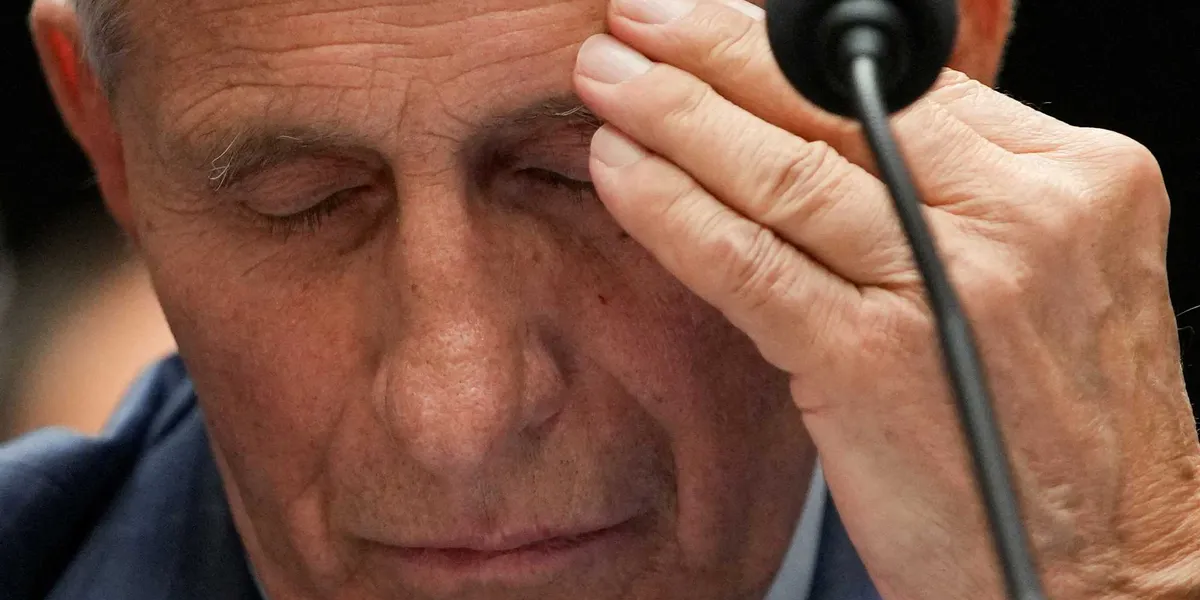
President Donald Trump's push to invalidate former President Joe Biden's pardons has inadvertently provided Dr. Anthony Fauci with legal justification to refuse testimony before a Senate committee, according to pro-Trump former federal prosecutor Bill Shipley.
Fauci, the former director of the National Institute of Allergy and Infectious Diseases (NIAID) and a central figure in the federal government's pandemic response, repeatedly invoked his Fifth Amendment right against self-incrimination after being subpoenaed by the Senate Homeland Security Committee. The hearing focused on the COVID-19 pandemic response and questions surrounding the origins of the virus.
Biden issued a preemptive pardon to Fauci in January 2025 as one of several pardons granted during the final days of his presidency, a batch that also covered figures such as retired Gen. Mark Milley and members of the House January 6 committee. In December 2025, Trump declared those pardons "null and void" (Truth Social). The Constitution's pardon power in Article II has no established precedent for a successor president unilaterally revoking a predecessor's pardons, leaving the legal status of Trump's declaration unresolved.
Sen. Rand Paul (R-KY), who has long clashed with Fauci over pandemic-era policies and has called for investigations into potential U.S. government funding of gain-of-function research, threatened "repercussions" for Fauci's refusal to answer questions. Paul also had Capitol Police remove Fauci's attorney, David Schertler, from the hearing room, as reported by Politico.
Schertler argued that Trump's public threats to invalidate Biden's pardons gave Fauci legitimate grounds to invoke the Fifth Amendment. Under well-established legal doctrine, a validly pardoned witness typically loses Fifth Amendment protections because they no longer face prosecution risk. However, the reasoning Fauci's legal team advanced is that if the pardon were ultimately voided, Fauci's testimony could be used against him in future criminal proceedings.
"Congress should write Fauci a Grant of Immunity using the exact language of the Pardon so it is co-extensive," Schertler wrote on social media.
Shipley, who has represented January 6 defendants and is generally aligned with Trump, acknowledged that the president's campaign to void Biden's pardons had undercut Senate Republicans' strategy. Republican lawmakers had contended that the pardon should eliminate Fauci's Fifth Amendment protections because it removed the threat of prosecution. However, Trump's own declarations that the pardons are invalid effectively restored that threat, strengthening Fauci's legal position.
Shipley suggested that Congress could pass a statutory grant of immunity to compel Fauci's testimony. Without such immunity, Fauci's continued refusal to answer questions could result in contempt of Congress charges, which can be referred to the Justice Department for criminal prosecution.

