The Bulwark's Last and Rampell Detail Alleged Grifting Across Trump's Orbit
Key Takeaways
- •Alina Habba Mildon reportedly signed a $50 million contract with a company tied to a Venezuelan family seeking a pardon from Trump while she worked at the Justice Department, and the family halted payments after giving her $10 million.
- •A company connected to a friend of Kristi Noem and Corey Lewandowski handled a $220 million Department of Homeland Security advertising campaign paid for with taxpayer dollars.
- •Kimberly Guilfoyle was fired after text messages showed she asked a Trump donor to cover her $100,000 American Express bill ahead of her confirmation hearing for an ambassador post.
- •James Blair and Chris LaCivita reportedly worked for a pro-Russian nationalist party in Republika Srpska, Bosnia and Herzegovina, ahead of its election, engagement that could trigger Foreign Agents Registration Act obligations.
- •Brad Parscale's falling out with Trump followed a Lincoln Project advertisement that revealed how much money he was earning from the campaign.
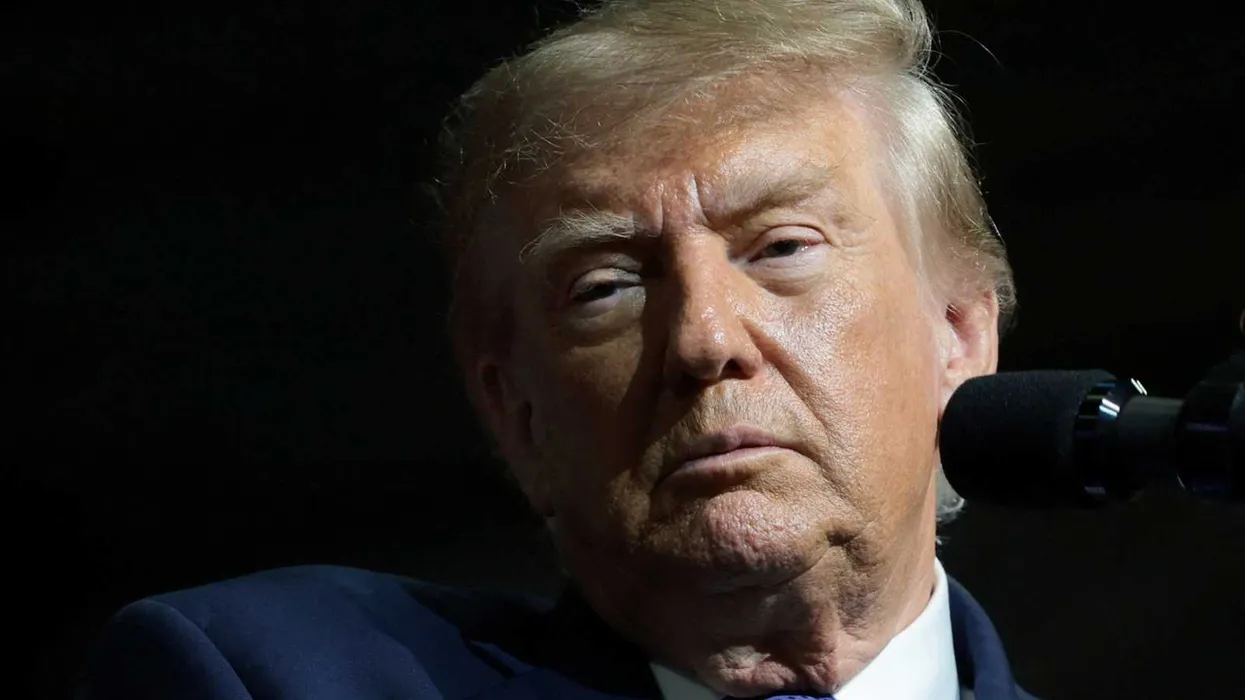
The cardinal sin of MAGA world appears to be grifting without giving President Donald Trump either a cut of the proceeds or his permission, according to The Bulwark's Jonathan V. Last and Catherine Rampell on the Friday episode of the podcast "Receipts".
The two commentators walked through a series of alleged pay-to-play arrangements involving figures in Trump's orbit.
A $50 Million Contract and a Pardon Seeker
The discussion opened with Alina Habba Mildon, who allegedly signed a contract worth $50 million with a Venezuelan family while also working for the Justice Department, the New York Times reported. The contract covered a year of work as general counsel for a company started by the daughter of Julio Herrera Velutini, who was seeking a pardon from Trump at the time the agreement was made. The overlap of a Justice Department post with a multimillion-dollar private contract from a pardon-seeking family is the kind of arrangement federal conflict-of-interest rules exist to police, and it places the episode inside a long-running debate over whether access to pardon decisions can be shaped by payments to people close to the president.
Last joked that Herrera appeared to have been pardoned for bribery with bribery.
"It's funny to me that the people in Trump's orbit don't understand that they need to be making him whole," Last said.
Rampell quibbled with the idea of "whole," saying it "implies there's a deficit there. He is not rich enough. That he has not siphoned off enough public dollars or private dollars in the process of being president."
The Times report revealed that Trump was furious about the deal and its size. He ultimately said the family should not pay out the rest of the contract after they had already given Habba $10 million. The message got back to them.
Noem, Lewandowski and "a Mob Movie"
Last then turned to former Secretary of Homeland Security Kristi Noem and her aide Corey Lewandowski, who have been caught up in a number of pay-to-play scandals and accusations. A friend's company handled a $220 million ad campaign. Because DHS advertising is paid for with taxpayer dollars, allegations that work is steered toward a friend's firm raise the procurement question at the heart of federal contracting: whether spending decisions follow the rules or the relationships.
The commentators explained that at one point Lewandowski wanted to send a threatening letter but realized it likely would not be smart to put threats in writing, so he wrote down what he wanted a staffer to say and then sent the staffer. Last remarked that the whole situation was like "a mob movie."
Rampell said it was more like a satire of a mob movie. "This is bumbling people trying to emulate the mafia and the mob and failing and then pointing the finger at each other and sometimes making a lot of money but ultimately clowning themselves."
Last likened the arrangement to a drug deal in which someone working under a "boss" says he has a $15 million deal and offers the boss something to bless it. What Habba Mildon did not do, Last said, was give Trump a cut.
"None of these people seem to do that! Go to Eric. Go to Barron! Say, I'll throw $10 million into your stupid Trump coin so I can do this. Make sure the boss is ok," said Last. "And none of them do that!" The "Trump coin" line was a nod to the Trump family's cryptocurrency ventures.
More Names Surface
Others on the list include Kimberly Guilfoyle, who was recently fired after text messages revealed that she begged a Trump donor to pay her $100,000 American Express bill before her confirmation hearing for the ambassador post. Confirmation hearings are among the few formal checkpoints in the appointments process, and a nominee soliciting donors to cover personal expenses is exactly the kind of material vetting is designed to surface.
Two more who recently surfaced were James Blair and Chris LaCivita, who according to Bloomberg were working for a pro-Russian government in a Balkan election. The men traveled to Republika Srpska, a self-governing part of Bosnia and Herzegovina, where they "consulted" on voting issues ahead of Sunday's election for the nationalist party. Paid political work for a foreign government or party can trigger registration obligations under the Foreign Agents Registration Act, the law that governs American consultants' engagements abroad.
Rampell noted that she believes the reports said much of the money was given to the Trump Presidential Library after the president got mad.
Brad Parscale, the former Trump campaign manager who built the campaign's data-driven digital operation, had a falling out with the president after an ad from The Lincoln Project revealed how much money he was making off the campaign (video).
The throughline in the episode, as Last and Rampell frame it: the arrangements that draw consequences in Trump's orbit are less the ones involving money than the ones made without the boss's blessing.

