Federal Judge Warns Trump DOJ Against 'Dawn Raid' Arrest of James Comey
Key Takeaways
- •Judge Trevor McFadden warned he would be unhappy if James Comey were abruptly arrested in a dawn raid during the Justice Department's third prosecution effort against the former FBI director.
- •The prosecution hinges on statute-of-limitations uncertainty stemming from a possible congressional drafting error, with charges filed on the final day of an extended 10-year window.
- •Prosecutors acknowledged struggling to interpret the statute, while Comey's counsel cited a Supreme Court ruling that Congress, not courts, must correct its own drafting mistakes.
- •McFadden, a Trump appointee, quipped that grand juries are no longer easy to secure indictments from, after jurors this week declined to charge former White House staffer Cassidy Hutchinson.
- •The judge has not yet ruled on the defense's dismissal motion and may defer to a grand jury, while Comey's attorney objected to the prosecution lingering, noting FBI agents had been stationed outside his home.
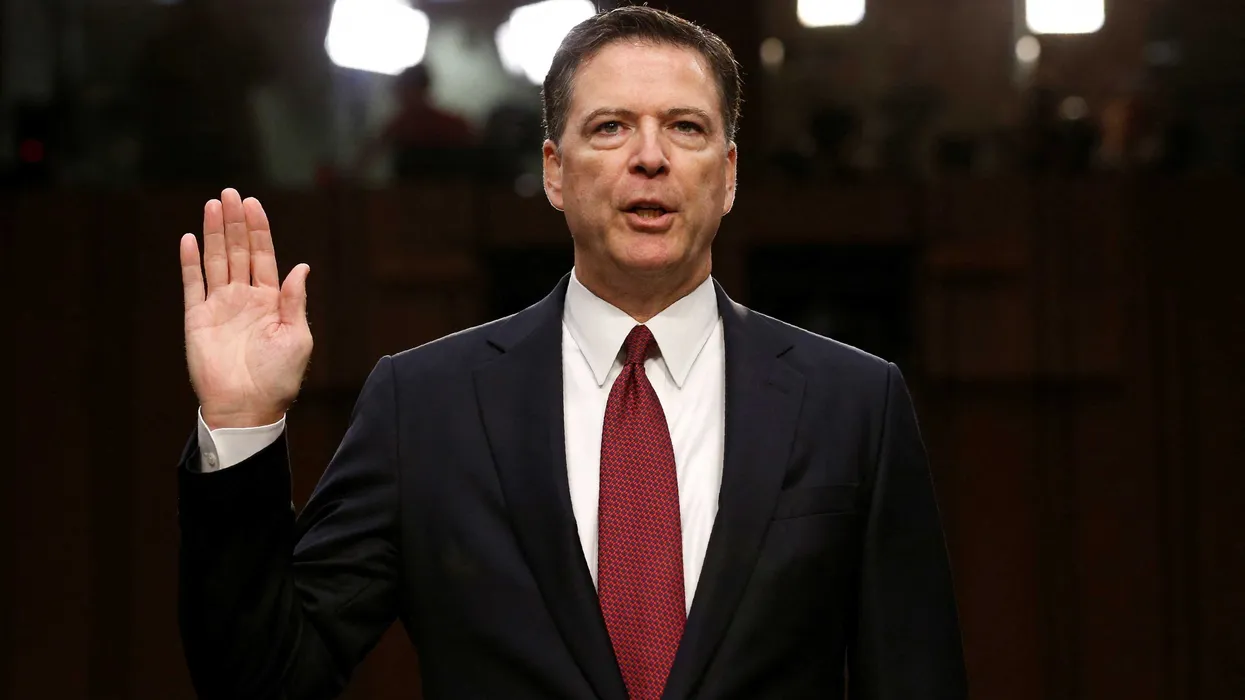
A federal judge cautioned the Justice Department on Friday that he would be "unhappy" if former FBI Director James Comey were abruptly arrested in a "dawn raid."
U.S. District Judge Trevor McFadden issued the warning amid the department's third attempt to prosecute Comey, who has been singled out by the White House for his role in investigating President Donald Trump's ties to Russia.
According to Lawfare Senior Editor Roger Parloff, McFadden made the remarks after a 90-minute hearing, during which he "didn't bar govt from seeking an indictment" but "said he'd be 'unhappy' if Comey was arrested in a 'dawn raid.'" The hearing offered a window into a prosecution that turns as much on procedure and timing as on the allegations themselves.
The latest charges allege mishandling of classified information. Parloff reported that the judge appears divided over whether Comey can be indicted at all because of uncertainty surrounding the statute of limitations. Under one reading of the law, Comey would fall outside a five-year limitation period, meaning the defense would prevail. However, Congress extended the statute of limitations to 10 years under certain circumstances, and the charges were filed on the final day of that 10-year window — a timing issue the judge said he is seeking "guidance" on. Whichever reading prevails could effectively determine whether the case proceeds at all.
The ambiguity may stem from a drafting error in the congressional provision, which was written either incorrectly or unclearly. Even prosecutors acknowledged they were "struggling to understand" the statute. Comey's counsel pointed to a Supreme Court ruling holding that when Congress makes a drafting error, "it's up to Congress to correct, not courts."
That prompted McFadden — a Trump appointee — to consider whether he should simply allow the government to pursue an indictment and leave the question to a grand jury, in which case "the issue would go away." He observed that, these days, ham sandwiches aren't so easy to indict. The quip riffed on the long-standing adage that a grand jury will "indict a ham sandwich" whenever a prosecutor asks.
The remark alluded to the difficulties the Justice Department under Trump has faced in securing indictments of his political opponents, which grand juries have repeatedly rejected. Earlier this week, for instance, a grand jury declined to indict former White House staffer Cassidy Hutchinson — who delivered dramatic testimony against Trump before the House committee investigating the Jan. 6, 2021, U.S. Capitol insurrection — on "unclear" charges.
McFadden has not yet ruled on the Justice Department's latest effort to prosecute Comey. Defense lawyers have asked that the charges be dismissed, but the judge suggested there was no "harm" in seeing what a grand jury decides. Attention now turns to whether McFadden rules on the dismissal bid or lets prosecutors make their case to a grand jury. Comey's attorney argued that the specter of prosecution should not be "hanging over Mr. Comey's head," noting that FBI agents had been stationed outside his home.

