Trump's $4 Billion Offshore Wind Lease Buyback Threatens Fishermen's New Income Stream
Key Takeaways
- •The Trump administration shifted from courtroom battles to the leasing market, spending nearly $4 billion to buy back offshore wind leases after courts allowed construction to resume.
- •The Sea Services North America cooperative has enabled about 200 New England fishermen to supplement their earnings through offshore wind work.
- •Many fishermen who initially opposed wind farms came to accept them after seeing a working model of coexistence during a visit to Northern Ireland.
- •The pandemic's disruption of both fishing and wind industry work made the cooperative's supplementary income especially valuable to fishing families.
- •The lease buybacks have discouraged future offshore wind development, leaving fishermen with fewer job opportunities and an uncertain economic outlook.
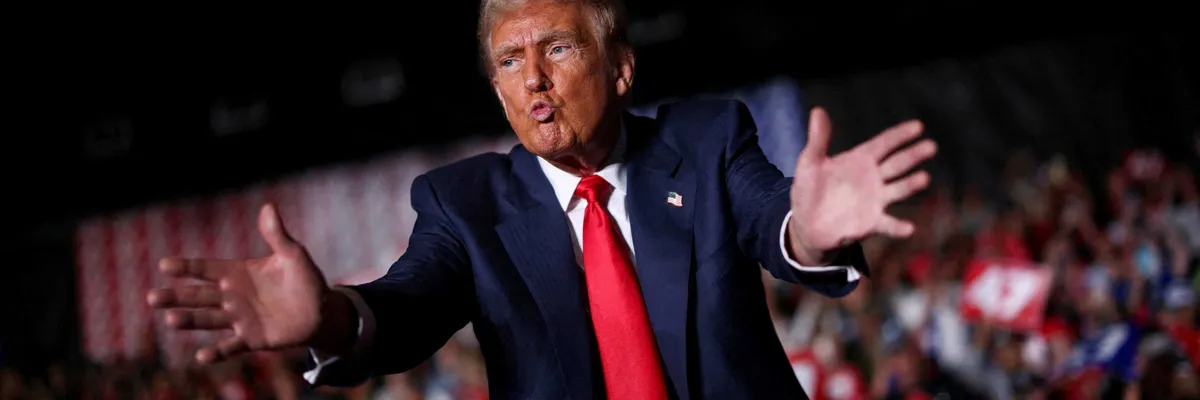
President Donald Trump's nearly $4 billion effort to buy back offshore wind leases is threatening a new livelihood option for commercial fishermen. While the administration argues that offshore wind harms the fishing industry, fishermen themselves tell a different story.
An analysis published by The Guardian details a growing source of substitute income: a cooperative called Sea Services North America that has helped roughly 200 New England fishermen earn additional money by working on offshore wind projects. Many fishermen initially opposed the idea but have since come to see the value of having both industries, particularly during periods when fishing is restricted or unprofitable. The arrangement has given working fishermen a financial stake in an industry many once feared would push them out.
"There was a lot of fellas that were very angry because we joined in on building these wind farms," said Gordon Videll, Sea Services' chief executive. "Nobody trusted it." Yet unexpected challenges in the offshore wind industry ultimately paved the way for the co-op.
Gary Yerman, a fisherman of four decades, learned of the proposed commercial-scale offshore wind projects and initially feared the competition to his industry. He did not want wind farms in his fishing zone, but he believed the developments were too big to fail. "They're gonna win," Yerman thought, concluding that joining was probably in his best interest.
Videll, Yerman's friend and a local lawyer, traveled to Northern Ireland, where they met with fishers working alongside developers building offshore wind farms and other structures. "We saw how it was benefiting the fishermen there," Yerman said. The visit showed them a working model of the coexistence they would later test at home.
The pandemic struck just as Sea Services was getting off the ground, bringing work in the industry to a halt. With rebuilding proving difficult, the fishermen saw the co-op as a way to keep working. "People had to make decisions they might not have made otherwise," Videll said.
Videll also pointed to the lifestyle the opportunity afforded, noting the types of cars the fishermen were driving compared with others. "This provided a real annual income, which, if you're raising a family, it means everything," he said. "I have 200 fishermen who have made money and shown that these industries can coexist."
Trump's campaign against offshore wind, however, now threatens the same opportunities that have helped these hundreds of fishermen. After courts allowed offshore wind construction to resume, following his initial effort to stop the projects, Trump's administration shifted course and spent nearly $4 billion buying back offshore wind leases — a turn from courtroom battles to the leasing market itself. The move has discouraged future development, leaving fishermen with fewer job opportunities, shrinking incomes, and an increasingly uncertain economic future. Whether any further offshore wind construction moves forward — and with it the work Sea Services' members have come to rely on — is now the question hanging over this fishing community's newest income stream.
"If you're going to screw an industry, that's how you do it — you put the chilling effect on the money," Videll said.
Source: Alternet

