Court Filings Show Trump DOJ's Pursuit of James Comey Extending to His Associates
Key Takeaways
- •Daniel Richman, a Columbia law professor and former attorney for Comey, was identified as a target in September and could face an obstruction charge for declining to speak with FBI agents.
- •Richman invoked his Fifth Amendment rights when he appeared before a Florida grand jury in September after being warned he could be charged for allegedly avoiding a subpoena.
- •Comey is reportedly preparing for a potential felony indictment in Washington, D.C., under the Espionage Act for allegedly passing information to The New York Times in 2016, an accusation the Justice Department had twice examined and declined to charge.
- •Two of Trump's judicial nominees, federal prosecutor Philip Aubart and Magistrate Judge Brian Meyers, drew Senate Judiciary Committee scrutiny this week over their roles in the North Carolina case involving Comey's '86 47' seashell photo.
- •No court has found that Comey was targeted unfairly or vindictively, and the Florida obstruction matter, the Washington leaks case, and the two nominees' confirmations all remain unresolved.
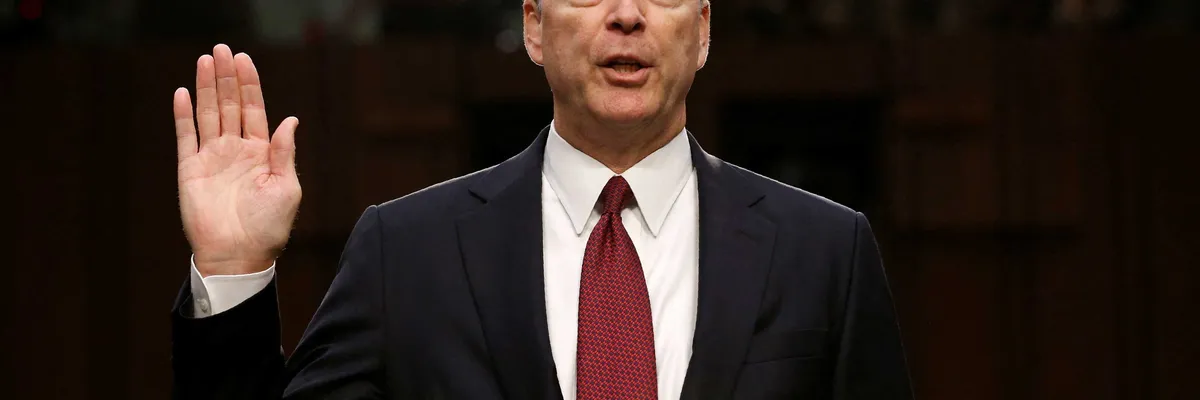
The three separate attempts to criminally charge former FBI Director James Comey were just a prelude to President Donald Trump's Justice Department. Hearings and court filings over the past week have exposed the scope of the department's efforts to pursue Comey, who — along with those around him — remains very much in the crosshairs, reports CNN. Comey led the FBI from 2013 until Trump dismissed him in 2017.
In a court filing submitted last week, Daniel Richman, a law professor at Columbia Law School and former attorney for Comey, said he too has been caught up in what he described as a "harassment campaign" against Comey, one that included a potential criminal indictment in Florida this fall.
According to the filing, prosecutors told Richman's lawyers in September that he was a target and could face an obstruction charge for declining to speak with FBI agents himself. In federal investigations, a target designation signals that prosecutors believe substantial evidence links a person to a crime. Richman was not home on Aug. 30 when agents arrived at his apartment building; an FBI agent suggested at the time that building employees could be charged with obstruction for not allowing the agents upstairs.
The filing further noted that Joe diGenova, who led the "grand conspiracy" investigation before abruptly leaving the job, told Richman's attorneys that Richman could be charged with obstruction for allegedly avoiding a grand jury subpoena. Richman invoked his Fifth Amendment rights, which protect against compelled self-incrimination, when he appeared before the Florida grand jury in September.
Comey's own lawyers advanced a similar argument in the Washington, D.C., leaks case last month. "The Government has not disavowed possibly using this [charging document] to arrest Mr. Comey," defense lawyer Ephraim McDowell said, noting that FBI agents had been stationed outside Comey's home. McDowell added that the Justice Department had twice examined the leak accusation years earlier and elected not to charge Comey.
People around Comey said he is preparing for a potential felony indictment by a grand jury in Washington, D.C., under the Espionage Act — a World War I-era statute that criminalizes the unauthorized disclosure of national defense information — for allegedly passing information to The New York Times in 2016. Grand juries weigh evidence presented by prosecutors to decide whether an indictment should be returned. Comey, who has denied wrongdoing, said: "It would almost be funny if it weren't such an appalling abuse of the Department of Justice."
Meanwhile, two of Trump's judicial nominees drew scrutiny from the Senate Judiciary Committee this week over their roles in the North Carolina case against Comey, which accuses him of threatening Trump with an Instagram photo of seashells arranged to spell out "86 47" in 2025. The committee vets judicial nominees before they can advance to a confirmation vote by the full Senate.
Federal prosecutor Philip Aubart argued that the photo represented the kind of violent language used by mobsters, going so far as to interview Salvatore "Sammy the Bull" Gravano. "What did he have to do with seashells?" asked Sen. Dick Durbin (D-Ill.).
Aubart signed a warrant application to obtain Comey's electronic data in March, and offices of Republican senators began discussions with him about a judgeship about a week later. The second nominee, Magistrate Judge Brian Meyers, signed off on warrants to search the email accounts of both Comey and his wife. There is no public record indicating that either man was nominated as a reward for his role in the case.
The indictment against Comey over the seashell post remains pending, and a court has not found that Comey was targeted unfairly or vindictively. The Florida obstruction questions and the Washington leaks case likewise remain unresolved, and the Senate has yet to act on the two nominees.

