Psychologist John Paul Garrison: Trump's Neurological Symptoms During Oval Office Event Go Beyond 'Advanced Age'
Key Takeaways
- •Clinical and forensic psychologist John Paul Garrison assessed President Trump's behavior based on publicly available video footage of an Oval Office signing ceremony rather than an in-person examination.
- •Garrison observed multiple signs of neurological concern during the event, including slurred speech, confusion, and dozens of episodes of apparent sleep across a 40-minute session.
- •Garrison stated that Trump's age alone does not account for the observed behaviors and suggested possible explanations such as neurological problems, post-stroke effects, or brain damage in regions that regulate wakefulness.
- •Garrison highlighted an involuntary elbow twitch that he described as a neurological symptom, noting it occurs frequently when the president is standing.
- •The psychologist's commentary reflects a broader public debate about age-related fitness for the presidency that has drawn intensified scrutiny across both major parties in recent years.
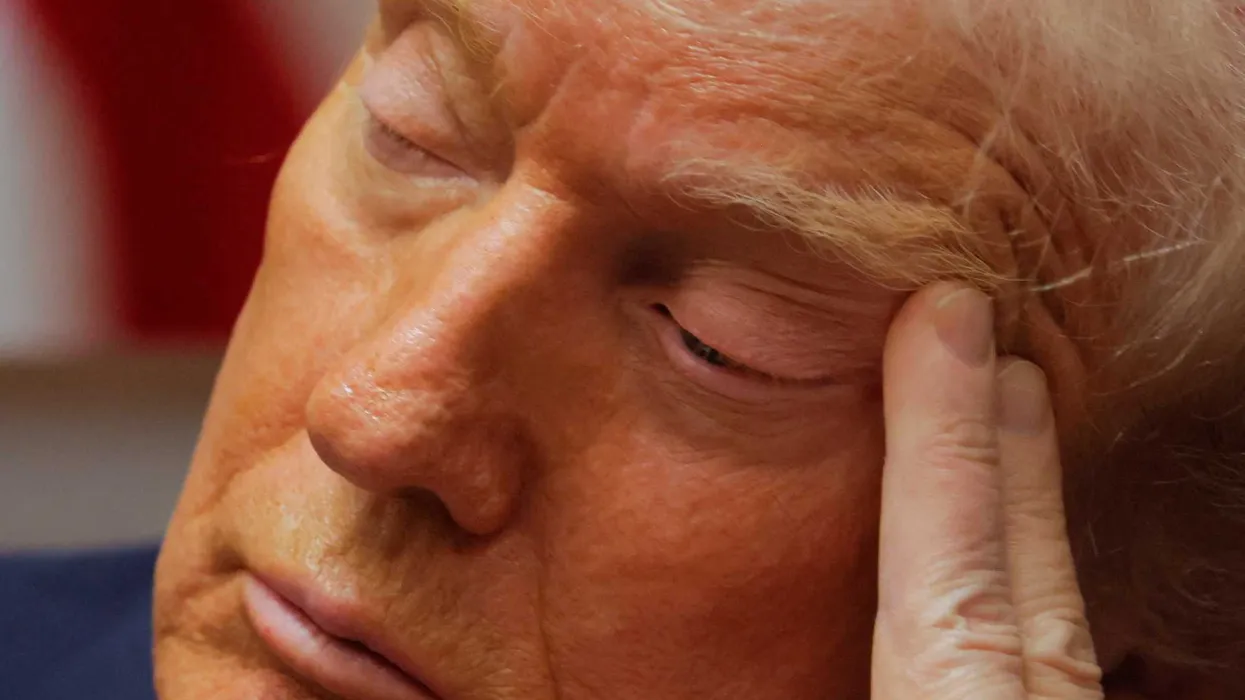
Clinical and forensic psychologist John Paul Garrison has raised concerns about what he describes as a pattern of "worsening neurological symptoms" displayed by President Donald Trump during a public appearance on Monday, arguing that the observed behaviors cannot be attributed solely to advanced age. Trump, born in June 1946, is the oldest person to serve as U.S. president, and questions about presidential fitness and cognitive health have been a recurring theme in recent election cycles.
The incident occurred during an executive order signing ceremony in the Oval Office. According to Garrison, who based his assessment on publicly available video footage of the event rather than an in-person examination, Trump appeared to exhibit multiple signs of neurological concern, including slurred speech, confusion, and repeated episodes of falling asleep.
Garrison noted that as the event began, Trump started addressing Health Secretary Robert Kennedy Jr. and visibly "misses words." "He thinks he's saying things correctly, and he doesn't even realize how badly he's messing up what he's trying to say," Garrison observed.
As Kennedy spoke, Trump was seen dozing off before briefly snapping back to attention. "There's some awareness that he is drifting," Garrison said. "And he doesn't have the good judgment to realize that everybody's watching him right now. He really is having a hard time thinking through these situations." Trump then appeared to fall fully asleep, waking with what Garrison described as "some confusion," "nodding his head trying to go along with what's being said."
Garrison was emphatic that age alone does not account for these behaviors. "This is not normal behavior even if somebody is 80," he asserted. "I get that that's an advanced age, but that doesn't explain when you're sitting in front of lights around a lot of other people how you would fall asleep. What does explain it is either neurological problems, poststroke behavior or some sort of neurological impairment that is causing this."
He elaborated on possible medical explanations: "For example, if somebody has a stroke and it affects their hypothalamus or their thalamus or a number of other regions of the brain, it can cause excessive sleepiness. So it's very possible that there is damage in part of the brain that contributes to this behavior. His age truly does not explain this behavior." Garrison's commentary reflects a broader public debate about age-related fitness for the presidency, an issue that has drawn intensified scrutiny across both major parties in recent years.
As the event continued, Garrison said, Trump "just keeps falling asleep over and over again." He noted that such episodes have been occurring for months, but this instance stood out because it happened clearly "in the middle of an important meeting." Garrison estimated that across the full 40-minute Oval Office session, Trump drifted off dozens of times and had difficulty reorienting himself upon waking.
Garrison also drew attention to what he termed a "neurological twitch" that the president sometimes displays. "He starts becoming incoherent," Garrison explained, and then his elbow suddenly twitches outward. "When he's standing, he's doing it constantly. They're really large motions, but it does seem to be there's an involuntary twitch, which once again, all signs point to something neurological and something serious neurological going on."
In his concluding remarks, Garrison urged observers who attribute Trump's behavior entirely to his age to reconsider. "Because that absolutely does not adequately explain what we're seeing," he said.
