Trump Bets Naval Blockade Can Squeeze Iran Where Military Strikes Failed as Oil Quietly Slips Through the Gulf
Key Takeaways
- •President Trump has opted to maintain a naval blockade against Iran rather than resume active military conflict, describing the approach as measured and leveraging Iran's economic deterioration for negotiating leverage.
- •Iran's Supreme National Security Council has demanded that the U.S. lift the blockade, end all sanctions, withdraw regional military forces, pay war reparations, and unfreeze Iranian assets before the Strait of Hormuz reopens to normal traffic.
- •Approximately eight million barrels of oil are being quietly escorted out of the Persian Gulf each night through a southern lane in the Strait of Hormuz with U.S. military assistance, a covert operation expected to continue absent a formal agreement.
- •A growing rift within Iran pits pragmatists, including President Masoud Pezeshkian and senior negotiators, against hardliners led by the Islamic Revolutionary Guard Corps over whether to pursue a deal with Washington.
- •Despite weeks of sustained bombardment, the U.S. was unable to fully reopen the strait, and depleting American munitions stockpiles have prompted the Pentagon's top officer to reportedly seek an exit from the conflict.
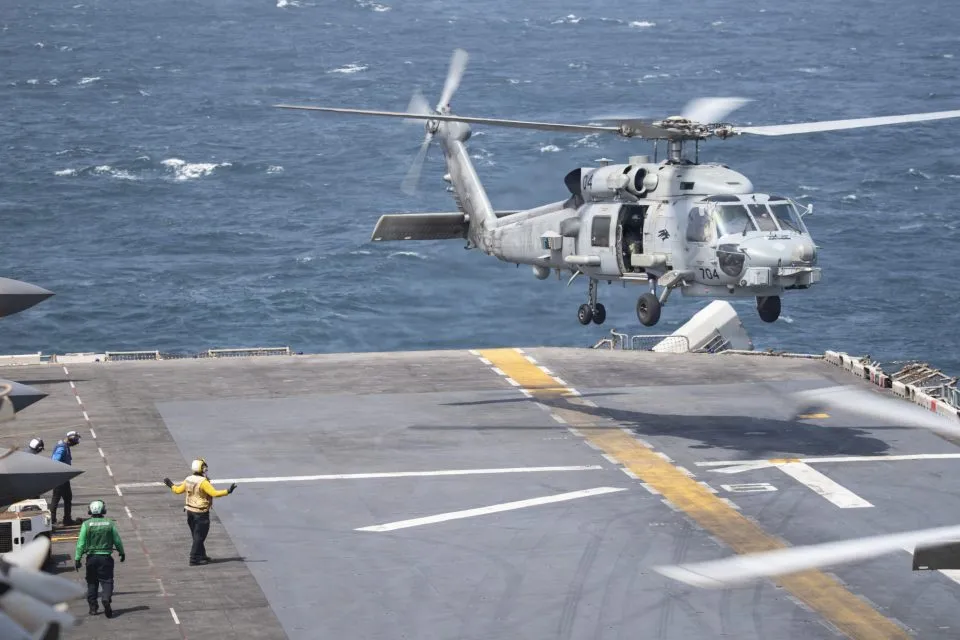
President Donald Trump has opted against resuming all-out war with Iran, signaling instead that the United States will maintain economic pressure through a naval blockade that administration officials believe is pushing Tehran's economy to the brink.
In an interview with Axios on Sunday, Trump described the current approach as measured. "We are low keying it," he said, characterizing the engagement as "semi-negotiating" with Iran. He suggested that Iran's economic deterioration is giving Washington leverage.
"We are just watching Iran with its huge inflation and the fact they have no money," Trump said. He claimed Tehran is unable to pay its military personnel and described Iran's economy as being in "very bad shape," attributing the worsening crisis to the U.S. naval blockade.
Oil prices have eased as Trump pivoted away from major combat operations to allow diplomatic channels to function, reducing immediate pressure on American consumers.
Iran and Oman have held discussions on managing maritime traffic through the Strait of Hormuz, the chokepoint through which roughly a fifth of global daily oil consumption normally flows. Any agreement between the two nations would not automatically restore normal passage, however. Iran has insisted that the U.S. first meet a series of sweeping demands before the strategic waterway reopens.
On Saturday, Iran's Supreme National Security Council called on Washington to lift the naval blockade, end all sanctions, withdraw U.S. military forces from the region, pay war reparations, unfreeze Iranian assets, cease attacks on Iranian proxy groups, and stop issuing threats against the country. The breadth of those demands has dampened expectations for a near-term return to normal operations in the strait.
Despite defiant rhetoric from senior officials, economic anxiety within Iran remains acute. High inflation and a currency collapse triggered nationwide protests in January, which authorities suppressed through a harsh crackdown. According to sources who spoke with the Wall Street Journal, regime moderates have grown increasingly alarmed that the reimposed naval blockade is driving Iran's economy toward collapse.
Iran's deputy foreign minister has acknowledged that the economy urgently needs the sanctions relief that a deal with Washington could deliver. That assessment aligns with earlier reports that Iran's president and central bank chief informed Supreme Leader Ayatollah Mojtaba Khamenei that the initial blockade was already crippling the economy.
Trump expressed optimism about ultimately reaching an agreement, even as both sides accuse each other of acting in bad faith.
"It will work out. It always works out. It's like a chess game," he told Axios.
The president's willingness to let economic pressure run its course coincides with increasingly constrained military options. Despite 40 days of sustained bombardment and an additional two weeks of attacks last month, the U.S. was unable to fully reopen the Strait of Hormuz. Meanwhile, American munitions stockpiles are running low — particularly interceptors used to counter Iranian drones and missiles — and the Pentagon's top officer is reportedly seeking an off-ramp.
A U.S. official told Axios that the absence of active conflict may actually serve Trump's strategy, since fighting had previously allowed the Iranian regime to deflect attention from its economic failures and inability to address them.
However, with oil inventories falling to critically low levels, a supply crunch that sends energy prices soaring could test Trump's patience and pressure him to change course.
One mitigating factor: approximately 8 million barrels of oil are quietly exiting the Persian Gulf each night through a southern lane in the Strait of Hormuz, with assistance from the U.S. military, a U.S. official told Axios. That covert operation will continue as long as no formal agreement is reached. A representative for U.S. Central Command did not immediately respond to a request for comment.
Before the ceasefire agreement collapsed, the U.S. military had been guiding tankers through an alternate route along the Omani coast, providing a degree of protection. Sufficient numbers of ships navigated that passage to relieve pressure on global oil markets. Iran responded by attacking vessels attempting to bypass the corridor it controls, reigniting hostilities and producing the current standoff.
While maritime traffic data indicates minimal movement through the strait in recent weeks, those figures may not capture vessels operating "dark" — sailing with transponders disabled to avoid detection.
Any additional flexibility the U.S. secures in oil markets would enable the naval blockade to persist, widening internal divisions among Iranian officials. On one side stand pragmatists, including President Masoud Pezeshkian, who are concerned about the economy and favor a deal with Washington that unlocks concessions. On the other side are hardliners led by the Islamic Revolutionary Guard Corps, who reject any negotiation with the United States.
These tensions frequently surface in public, including in state-run media. Deputy Foreign Minister Kazem Gharibabadi, a senior negotiator, told IRIB: "When I read some of the opposition to negotiations, I honestly wonder what world these people are living in."

