Trump Says 'Ultimate Intervention Is Our Military' When Asked About Bond Market, Drawing Online Mockery
Key Takeaways
- •President Trump said the military is the "ultimate intervention" for addressing bond market turmoil and would be used if necessary.
- •Treasury Secretary Scott Bessent's debt buyback intervention failed to contain rising bond yields earlier in the week.
- •Trump denied directing Bessent to intervene, saying the Treasury secretary initiated and carried out the buyback himself.
- •Critics ridiculed the remark, noting that bond market intervention is conventionally the province of the Treasury and the Federal Reserve rather than the armed forces.
- •Rising Treasury yields affect federal borrowing costs as well as mortgages and other lending tied to benchmark rates.
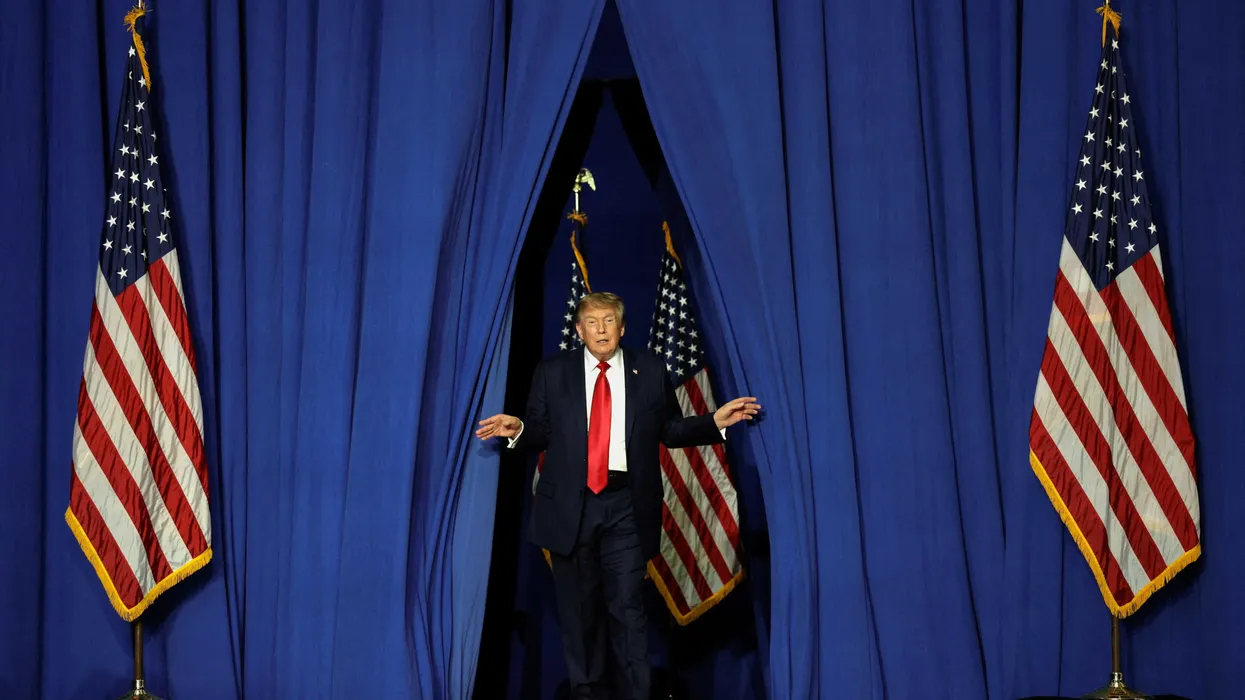
President Donald Trump's suggestion that military force could be deployed to address turmoil in the bond markets has drawn sharp criticism and mockery from his online critics.
On Friday, a reporter asked Trump about rising bond yields, which Treasury Secretary Scott Bessent has struggled to contain following a failed debt buyback intervention earlier in the week. Bond buybacks, in which the Treasury repurchases outstanding government debt, are a conventional debt-management tool, and rising Treasury yields matter well beyond Wall Street because they influence borrowing costs for the federal government as well as mortgages and other lending tied to the benchmark rates.
"Have you talked to Bessent about another type of intervention?" the reporter asked.
"The ultimate intervention is our military," Trump responded. "And if we have to use it, we will."
The remark prompted ridicule from critics who said the president appeared to conflate military intervention with an intervention in the bond market. Interventions in Treasuries are conventionally the province of fiscal and monetary authorities — the Treasury through debt-management operations such as buybacks, and the Federal Reserve through large-scale asset purchases — rather than the armed forces. Presidents have long treated the bond market as a political constraint: strategist Ed Yardeni popularized the term "bond vigilantes" in the 1980s for investors who sell government debt in response to fiscal policy they dislike, and James Carville, an adviser to President Bill Clinton, famously quipped that he wanted to be reincarnated as the bond market because of its power to intimidate politicians.
"Addled Trump threatens to use the military on bond traders," wrote Ron Filipkowski, editor-in-chief of the political news network MeidasTouch, in a post on X.
"Is the bond market also two weeks away from a nuclear weapon?" asked Acyn Torabi, senior digital editor for MeidasTouch, in a post referencing reports that Trump was weighing a possible nuclear strike against Iran.
"Operation Epic Interest Rates," suggested political blogger Jim Stewartson, a frequent critic of Kash Patel.
"Is Trump going to bomb the bond market?" wondered PatriotTakes, an account that covers right-wing extremism.
"I preferred it when yield curve control didn't involve the military," economist Justin Wolfers lamented. "But perhaps mine is a radical position." Yield curve control, the tool Wolfers invoked, is a monetary-policy technique used most prominently by the Bank of Japan, in which a central bank caps government bond yields by committing to buy as much debt as needed to hold them down.
Trump's comments came ahead of a South Carolina rally for Sen. Darline Graham (R-SC). During the same exchange, he attributed the initial debt buyback to Bessent as bond yields climbed shortly after the operation.
"Did you direct Secretary Bessent to intervene in the bond market?" a reporter asked.
"No, not at all," Trump responded. "He's a very capable man. He wanted to do it. He's very good at it. He's got a good touch for bonds and interest rates. He did it."
That question came shortly before Trump was asked about considering another intervention, at which point he pivoted to discussing military force.
Source: Raw Story
