Republican Strategist Warns 'Bottom Is Dropping Out' as Trump Faces Possible Midterm 'Wipeout'
Key Takeaways
- •Trump's approval rating has dropped to 37 percent in a Wall Street Journal poll, the weakest reading for an incumbent president entering a midterm election since 1990.
- •Republican strategist Matthew Bartlett warned that many in the party fear a wipeout could be coming, saying Trump has offered candidates no results or agenda to campaign on.
- •Republicans are defending Senate seats in states once considered, including Ohio, Iowa, Texas, Alaska, Kansas and possibly Nebraska, with a small group of contests able to determine chamber control.
- •The White House dismissed suggestions that Trump is a liability, with a spokesperson calling him the Republican Party's clear leader, best communicator and unmatched motivator.
- •Trump has pledged $5,000 payments to every adult citizen if Republicans keep power in November, but strategists say early voting already underway leaves little time to alter the party's trajectory.
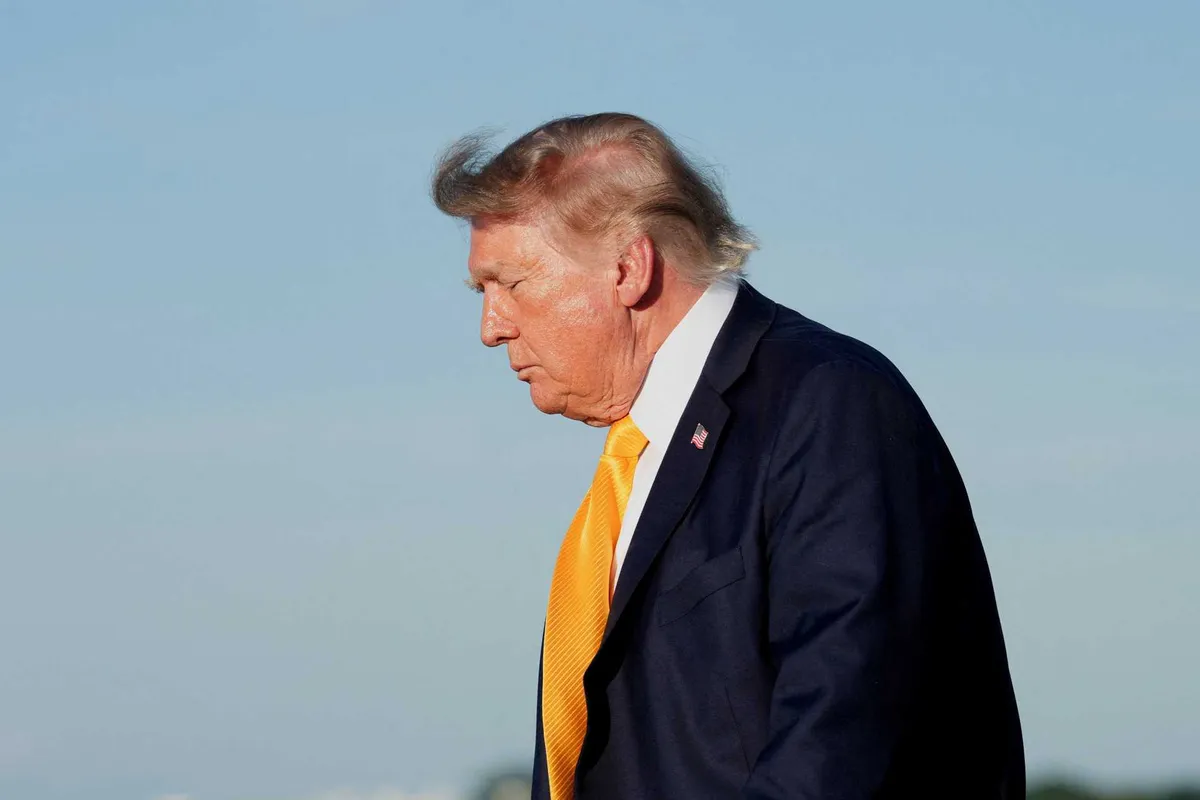
President Donald Trump has entered the final phase of his midterm campaign — the November elections that will determine control of Congress for the remainder of his term — with his approval rating sinking and Republican strategists increasingly alarmed that the party could lose ground in both chambers of Congress.
Matthew Bartlett, a Republican strategist who served in the first Trump administration before departing after the January 6, 2021, attack on the Capitol, told The Atlantic that Trump has offered GOP candidates "no results to point to, no agenda to promise either."
Bartlett said many Republicans now believe "the bottom is dropping out and a wipeout could be coming." He added: "Many recent elections have broken late, and hard, and often in one direction only. Among Republicans there is little hope that things get better before Election Day, but grave concern they may get worse."
The warning arrives as Trump's approval rating has fallen to 37 percent, according to a new Wall Street Journal poll — the lowest level that poll has recorded for an incumbent president heading into a midterm election since 1990, when George H.W. Bush held the White House. A Reuters/Ipsos poll conducted last month also put the president at a record low of just 32 percent. Approval readings receive close attention in midterm years because the president's party has historically tended to lose congressional seats in such elections.
Republicans are meanwhile defending competitive Senate races in states that appeared much safer for the party at the start of the year. Trump is set to campaign in Ohio, where Republican Senator Jon Husted is running against former Democratic Senator Sherrod Brown. Contests are also underway in Iowa, Texas, Alaska and Kansas — and possibly Nebraska — among seats currently held by Republicans. With senators serving staggered six-year terms, a small group of competitive states can effectively decide which party controls the chamber.
Trump will open his October campaign schedule with a series of appearances in Oklahoma and Alabama before traveling to Ohio, even though neither of the first two states features a particularly close Senate race.
The White House has rejected the notion that Trump has become a drag on Republican candidates. Davis Ingle, a spokesperson for the White House, told The Atlantic that Trump is the clear leader, the best communicator and the unmatched motivator of the Republican Party, and that he is to preserve Republican majorities in Congress.
Republicans have also shown signs of distancing themselves from Trump on issues including immigration enforcement and the ongoing conflict in Iran. Some Republicans have criticized the administration for using taxpayer money on what critics describe as an effective Trump campaign advertisement, and some aides in his inner circle have reportedly called the ads illegal.
Trump has continued to promote a range of proposals and initiatives, including those related to artificial intelligence, and has pledged $5,000 payments to every adult citizen if Republicans retain power in November. With early voting already underway in a number of states, however, Republican strategists quoted by The Atlantic say the party has little time left to alter the political trajectory before Election Day. The results in Ohio, Iowa, Texas, Alaska, Kansas and possibly Nebraska — along with whether contests once again break late — will offer the clearest measure of the concerns Bartlett and other Republicans describe.

