NCC, Telcos Roll Out Free 3GB Monthly Data Initiative for 5 Million Nigerian Students
Key Takeaways
- •The NCC and ALTON jointly announced on October 1 a zero-rated data program granting students in public senior secondary schools and tertiary institutions free daily access to approved educational platforms.
- •Each eligible learner receives 100MB of data per day, usable only on whitelisted educational services such as digital libraries and learning management systems, which accumulates to roughly 3GB monthly and 36.5GB annually.
- •The initiative is expected to reach about 5 million students, scaling a thousandfold from an initial pilot that served 5,000 learners with ₦200 billion in financial and in-kind industry contributions.
- •Major operators MTN, Airtel, and Globacom will handle daily distribution of the free data, with telecoms absorbing the costs of the required connectivity and network capacity alongside OEMs and TowerCos.
- •Public criticism has questioned whether 100MB per day is sufficient, but NCC and ALTON leaders argue the cumulative value across millions of learners constitutes a significant long-term investment tied to Nigeria's $1 trillion economy ambition.
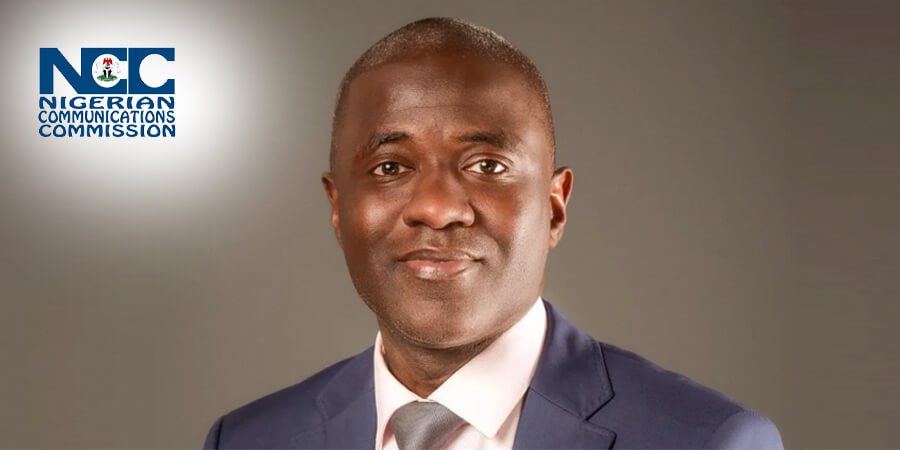
The Nigerian Communications Commission (NCC), in collaboration with the Association of Licensed Telecommunications Operators of Nigeria (ALTON), has launched a free internet service for students in public secondary schools and public tertiary institutions. The announcement came in a joint statement released on October 1 by the NCC and ALTON, as seen by Technext.
Known as the Zero Rated Data Access to Approved Educational Platforms and Content initiative, the program is designed to reduce the cost of data for digital learning, expand opportunities for online research, and support studying through approved platforms. It also aims to promote equal access to online resources and communication services nationwide. Zero-rating, the mechanism underpinning the program, is the telecom practice of exempting access to designated online services from data charges.
Dr. Aminu Maida, the NCC's Executive Vice Chairman and Chief Executive Officer, said the initiative forms part of the federal government's broader goal of equipping Nigerians with digital skills and knowledge to advance human capital development. He added that it aligns with the administration's vision of building a $1 trillion economy, which relies on digital inclusivity and human capital investment.
"If the economy becomes more productive through these people who access these educational platforms, they are the future innovators in Nigeria; they are the ones who are going to come up with ideas and become leaders of tomorrow," Maida said in the statement, describing the initiative as a long-term investment. "Making them more productive is going to create more opportunities for the sector to grow," he added.
Zero-rated access to educational platforms was previously flagged by NCC Chairman Idris Olorunnimbe. In a Medium post in March, he satirically tagged free internet access for education as "Awo's free education policy in the digital age" (a reference to Chief Obafemi Awolowo, whose government pioneered free primary education in Nigeria's Western Region in the 1950s), describing it as a movement from free schools to free data. He identified partnerships with state governments, protection of telecom infrastructure, and internet coverage for remote areas as leading plans for implementation.
According to the conclusion of the consultative document released in July, learners eligible for the 100MB daily zero-rated data are students enrolled in public senior secondary schools and public tertiary institutions across Nigeria. The project is expected to cover about 5 million students, with plans underway to extend the free data program to other categories of learners later.
Under the NCC-ALTON partnership telecom operators including MTN, Airtel, and Globacom will champion the daily distribution of the free mobile data. The 100MB daily allowance, however, works exclusively on approved and whitelisted educational platforms, such as digital libraries, learning management systems, and vocational training portals.
At 100MB per day, a learner would have access to roughly 700MB of educational data each week, about 3GB every month, and up to 36.5GB annually.
Telecom operators under ALTON have also demonstrated their commitment to the Zero-Rated Access initiative. ALTON Chairman Engr. Gbenga Adebayo said telcos and the wider technology industry have, in recent times, contributed ₦200 billion to the initial pilot, which involved 5,000 learners, through financial and in-kind contributions. The full program is expected to scale that reach a thousandfold, to about 5 million students.
Adebayo noted that operators are absorbing the cost of providing the connectivity and network capacity required to implement the project. He added that this represents a significant commitment of network resources and brings together facilities involving Original Equipment Manufacturers (OEMs), TowerCos, and other technology stakeholders.
"This is a partnership in the truest sense: Government provides the policy and educational framework; the regulator provides coordination and oversight; telecommunications operators provide connectivity and network resources; while OEMs, TowerCos and other technology partners contribute devices, terminals and other critical resources," he said.
Despite its aim of bringing Nigerian learners online, the initiative has faced backlash. Several netizens have questioned the 100MB daily allocation, arguing that a volume insufficient to load more than five or ten web pages cannot reasonably last a full day.
In response, the NCC chief said the significance of the initiative should be viewed beyond the daily 100MB allocation, particularly when considered over time and across the millions of learners expected to benefit from it.
"One hundred megabytes of data might sound like a little, but when you look at it over a month and over a year, and cumulatively over the millions of learners and students that are going to access it, it's really a significant investment by the industry towards the future of this country," Maida added.
Corroborating Maida's stance, the ALTON chairman asked Nigerians to look beyond the allocation and focus on its potential to enable Nigerian learners to access knowledge, prepare for examinations, conduct research, acquire digital skills, and participate in the emerging digital economy. As the program moves from launch to rollout, the details worth tracking include the scope of the approved-platform whitelist, which determines where the daily allowance can be spent, and the planned extension of free data to other categories of learners.

