White House Memo Defends Trump's Viewpoint-Based Ban on Politico, CNN and MS NOW Amid First Amendment Fight
Key Takeaways
- •An internal White House document shows the administration acknowledged its ban on Politico, CNN, and MS NOW was based on the outlets' critical coverage of the president.
- •The three barred outlets filed a lawsuit against the Trump administration on Monday over their exclusion from White House grounds.
- •A D.C. Circuit Court of Appeals ruling, written by Trump appointee Neomi Rao, requires access restrictions in nonpublic forums to be viewpoint neutral, a standard that could work against the ban in court.
- •The White House talking points contend that no president has been more transparent with the press and that the First Amendment does not guarantee reporters access to White House facilities.
- •David Ellison's purchase of Warner Bros., CNN's parent company, has alarmed media watchdogs who fear he will replace journalists critical of Trump, as he did at CBS News.
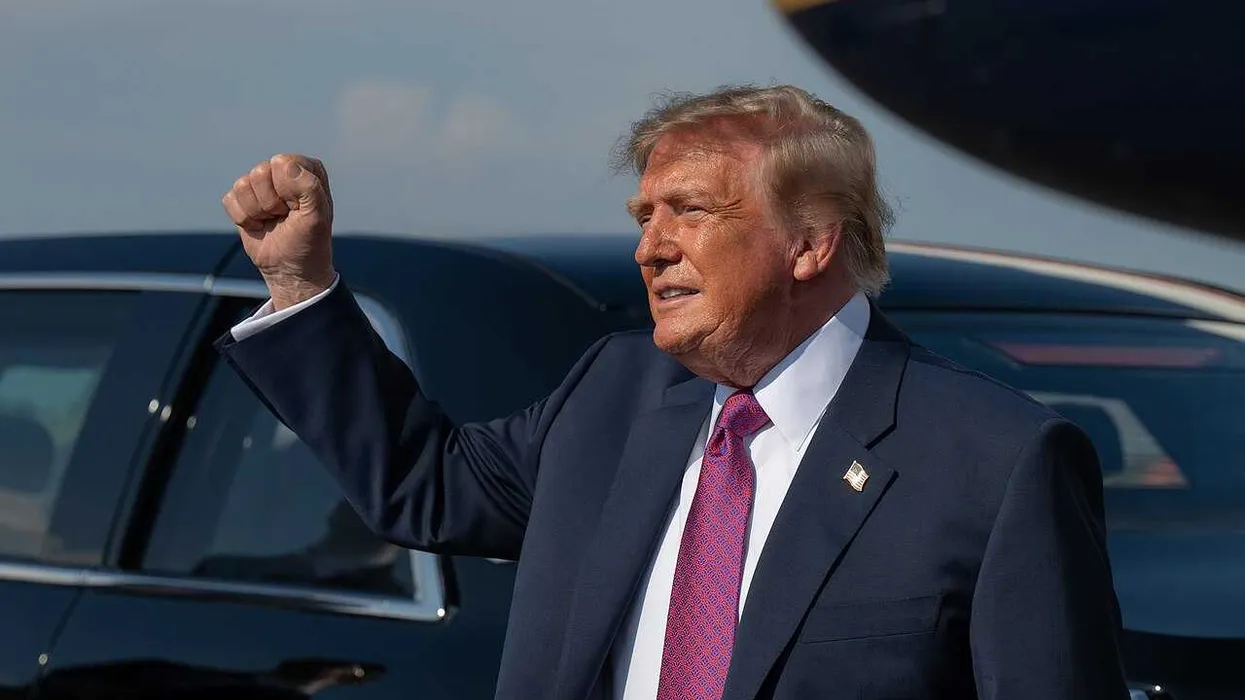
President Donald Trump recently barred three media outlets he accuses of unfairly critical coverage — Politico, CNN and MS NOW — from covering him at the White House. A newly revealed internal document shows the administration openly acknowledging that the ban was rooted in the outlets' viewpoints, in what would be a violation of the First Amendment.
"After MS NOW, CNN and Politico sued the Trump administration on Monday over the president banning their reporters from White House grounds, Trump's communications team sent congressional Republicans talking points Monday night in defense of the president's decision," reported MS NOW's Mychael Schnell on Tuesday. According to the document obtained by MS NOW, the White House wants Republicans to argue that "no president has been more transparent or offered more of his time to the press" and that the First Amendment does not grant reporters access to the White House.
The talking points asserted that reporters are not protected by the First Amendment when it comes to "fabricating facts or reporting verifiable falsehoods from inside the White House complex is an intentional breach of professional decorum and it is severely disruptive to the mission and purpose of the White House."
The First Amendment states that "Congress shall make no law respecting an establishment of religion, or prohibiting the free exercise thereof; or abridging the freedom of speech, or of the press; or the right of the people peaceably to assemble, and to petition the Government for a redress of grievances." With the three outlets' suit now before the courts, that guarantee is being weighed against the administration's position that press access carries no constitutional protection — the question at the heart of whether a White House can exclude newsrooms over their coverage slant.
Despite the administration's claim that it holds the legal authority to exclude the three outlets, early signs from the courts suggest otherwise. "A federal appeals court ruling Tuesday on demonstrators' access to the steps of the Capitol could bode poorly for President Donald Trump's attempt to ban three media organizations from the White House," reported Politico's Kyle Cheney and Josh Gerstein on Tuesday. "The majority opinion, written by Trump appointee Neomi Rao, concluded that the East Steps of the Capitol are a 'nonpublic forum' — just like most areas of the White House grounds, including the press facilities."
Politico continued: "While the government may impose restrictions on access to those nonpublic areas, the limits must be 'viewpoint neutral,' apply 'objective, workable standards' and not permit officials to exercise 'unbridled discretion over a forum's use,' the D.C. Circuit Court of Appeals panel concluded." Because that same "nonpublic forum" category covers most areas of the White House grounds, including the press facilities, the panel's viewpoint-neutrality requirement now serves as the benchmark for the pending suit — and for whether the three outlets' reporters regain access to the White House grounds.
One of the banned networks may soon regain Trump's favor. After Trump's billionaire ally David Ellison officially purchased Warner Bros., which owns CNN, media watchdogs voiced alarm that Ellison would strip the network of journalists critical of Trump and replace them with pro-Trump alternatives, much as he did when he took over CBS News.
Trump himself has acknowledged that he wants Ellison to capture CNN for this reason, even as he has often denied any involvement in helping them take it over. He told CNN's Jake Tapper in July that "we're trying to have CNN go on a normal path." Secretary of Defense Pete Hegseth has similarly commented that he wants CNN to be taken over by the Ellisons so that the Trump administration will receive more flattering press coverage.
This article originally appeared on Alternet.*

