Trump's Efforts to Restrict Mail-In Voting Meet Resistance as Ballots Go Out, but Critics Warn the Threat to Democracy Persists
Key Takeaways
- •Trump's March executive order instructing the USPS not to deliver ballots in states that refuse federal access to voter lists remains blocked in litigation.
- •Wisconsin and North Carolina began mailing ballots to voters last week, and nine additional states are set to do so within the next two weeks.
- •The Supreme Court's decision on the administration's request to allow the order to take effect has become the key variable determining the rules for the November election.
- •Wisconsin Elections Commission chair Don Millis, a Republican, said clerks cannot practically comply with the order and predicted it would hurt Republican turnout more than Democratic turnout.
- •Election officials in Arizona and Washington report an influx of worried voters and say they cannot yet confirm what rules will govern this year's elections.
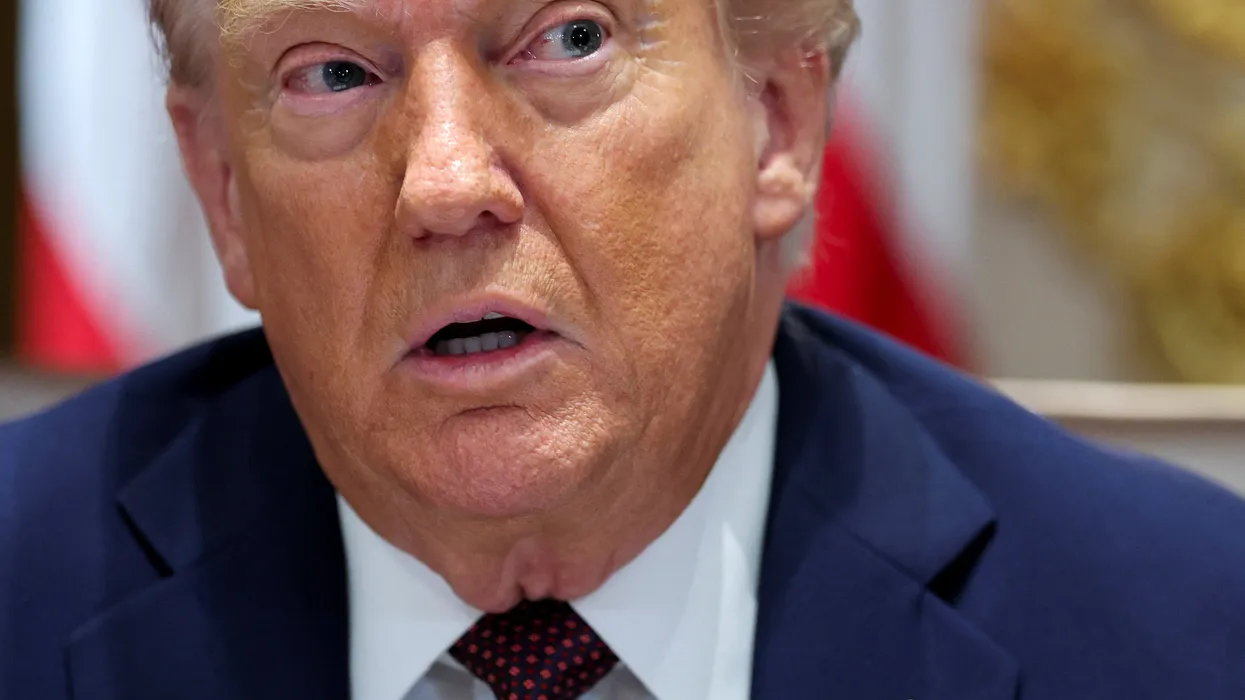
President Donald Trump's campaign against mail-in voting is running into significant obstacles, but critics warn that the risks to American democracy are far from resolved.
The Washington Post reported on Sunday that Trump is "running out of options" to alter mail-in voting rules without "significant upheaval," given that states have already begun mailing ballots to voters.
In March, Trump signed an executive order instructing the United States Postal Service not to deliver ballots in any states that have not given the federal government access to their voter lists. That order, however, is currently tied up in court, and Wisconsin and North Carolina both began mailing ballots to voters last week, according to the Post. The dispute is the latest flashpoint in a broader conflict over election administration, one that pits federal authority against the states, which under the U.S. constitutional system retain primary responsibility for running their own elections.
Don Millis, a Republican who chairs the Wisconsin Elections Commission, told the Post that "there's no practical way for Wisconsin clerks to comply" with Trump's orders. He added that the president's efforts targeting mail-in voting are likely to "hurt the Republican turnout more than the Democratic turnout." Mail voting expanded sharply across the country after 2020, and in several states, including Washington, voting by mail is the default method for most or all voters, meaning late changes to postal ballot delivery would reach deep into routine election operations rather than a narrow margin of the electorate.
The Trump administration has been urging the US Supreme Court to intervene and allow the executive order to take effect. But as a Politico report published on Friday noted, nine additional states are set to send ballots to voters over the next two weeks, meaning a last-minute ruling by the court would represent an unprecedented disruption to the democratic process. The justices' decision on whether to take up or act on the administration's request, and how quickly, has become the central variable determining what rules will govern the November election.
"It would be so outrageous to try to let this go into effect," Ben Hovland, senior fellow for democracy at the Center for American Progress, told Politico. "It's hard to even imagine... It would be a break-glass moment for our democracy."
Hovland cautioned, however, that the president's election-related efforts could still cause real damage by seeking to "dissuade people from participating or coming out to vote" and to "establish a pretext to make bad faith claims about election results."
Hovland's concerns were echoed in a Sunday report by The New York Times, which found voters across the country expressing confusion about the voting process and anxiety over whether their ballots will be counted this year.
Gabriella Cázares-Kelly, the Pima County, Arizona Recorder, told the Times that her office has received a flood of calls from worried voters, and that the president's sustained push to restrict voting by mail has left her unable to offer reassuring answers.
"I wish that I could tell my constituents to not worry," Cázares-Kelly said, "and I can't."
Rich Cooper, elections manager in Clark County, Washington, similarly told the Times that he has been unable to ease voters' concerns about what rules will govern this year's elections.
"The biggest thing they want to know is if things are going to change," Cooper said of the worried voters. "We have to tell them we just don't know yet."
