Conservative Commentators Explain Why Trump Keeps Losing in Court — Even Before His Own Judges
Key Takeaways
- •President Trump has faced multiple legal defeats on issues including tariffs, mail-in ballot restrictions, and his effort to overturn the civil verdict finding him liable for sexually abusing E. Jean Carroll.
- •Several adverse rulings have been issued by courts staffed with judges Trump himself appointed during his first term.
- •Conservative commentators at The Bulwark argue the administration's losses stem from mishandling fundamental legal procedures rather than lack of authority.
- •The administration was forced to retract its demand for the University of Pennsylvania to provide lists of Jewish faculty, students, and organizations after a prolonged legal battle.
- •Many Trump-appointed judges selected through the Federalist Society vetting process have adhered to traditional conservative legal principles rather than deferring to the administration's positions.
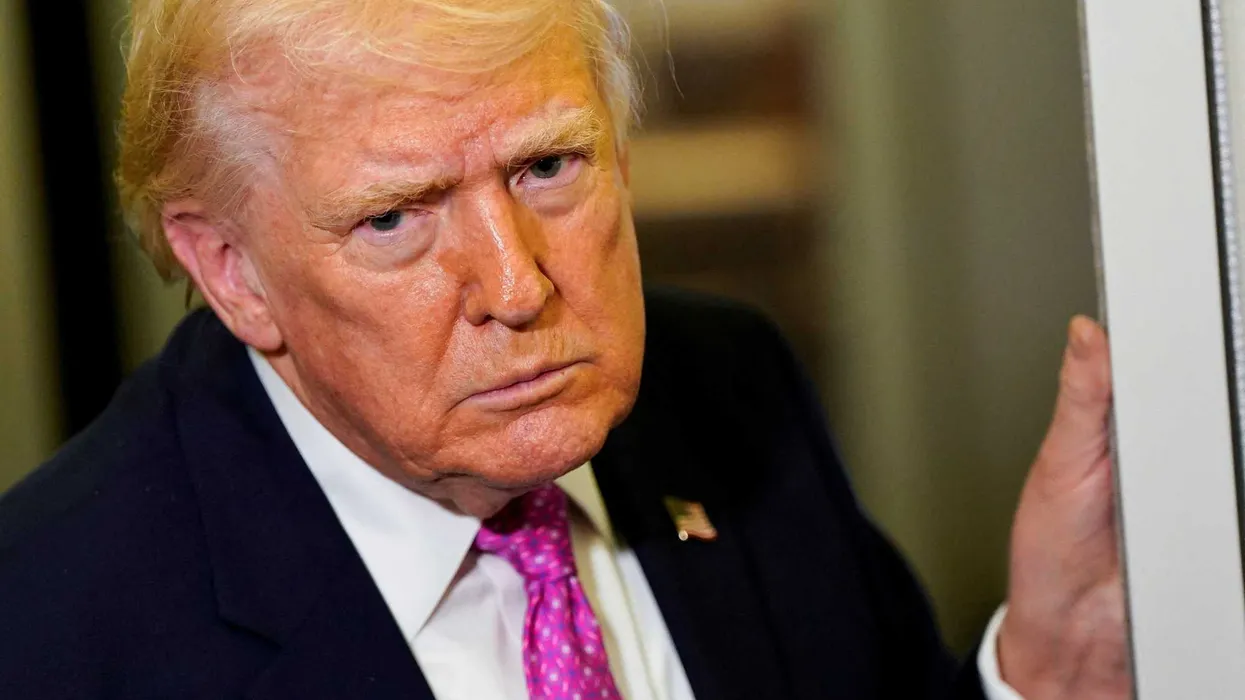
President Donald Trump has suffered a series of legal defeats on issues ranging from his tariffs and attempts to restrict mail-in ballots to his effort to overturn a civil verdict finding him liable for sexually abusing journalist E. Jean Carroll. Notably, several of these rulings have come from courts dominated by judges he himself appointed.
According to conservative commentators at The Bulwark, the explanation is straightforward: Trump and his advisers keep mishandling fundamental principles of American law.
Speaking on Thursday, The Bulwark's Ben Parker pointed to the administration's approach to press subpoenas as a telling example.
"The government has always had the legal authority to subpoena journalists when there's classified national security information that gets leaked," Parker said. "And traditionally, they don't. There are a few reasons for this. One of them is, it's got some First Amendment implications. The other one is the government would, honestly, most of the time, rather have a good relationship with the press than constantly be hounding them with subpoenas and maybe criminal investigations and stuff. And so usually it's the people who are leaking the information, rather than the journalists, who are at the end of the criminal investigation process."
Parker noted that the Trump administration took an unusually aggressive posture. "The Trump administration decided, 'Nope, we're gonna subpoena not only these journalists, but also apparently their family members.' And so the court said, like, 'Hey, why don't you slow down, take a beat, and try saying please first?' It's not illegal for them to bring these subpoenas. They could try again after they go through some other process, but it is like, 'Hey, guys, slow your roll here a little bit.'"
The Bulwark's Sam Stein added that the administration was "supposed to exhaust other processes to try to investigate the leak of that information before going to the subpoena. They did not." Parker observed that the administration could have achieved more of its policy goals had it simply been more methodical.
The two commentators then pointed to the administration's failed attempt to obtain information about Jewish students at the University of Pennsylvania as another case in point.
"The other one was — again, another thing the administration was forced, after a long legal battle, to quietly retract," Parker told Stein. "You may remember this from the deluge of 2025 Trump administration craziness. They had asked the University of Pennsylvania for a list of all of its Jews, basically. They said — 'I'm not gonna do the voice. I'm not gonna do a German accent, I promise' — they said, 'We're investigating antisemitism. Would you please give us a list of all of your Jewish faculty in the Jewish studies program, all of your Jewish cultural, religious, whatever organizations, and all of the people who belong to those organizations? Please give the government a list of your Jews.' And the school, to its credit, said, 'No.'"
Parker continued: "After a long fight, the administration has said, 'Okay, we are no longer requesting a list of your Jews. Thank you very much.'"
Stein remarked that the pattern amounts to "a remarkable string of losses." The losses underscore a dynamic that has surprised some of Trump's supporters: judges appointed during his first term, many selected with the assistance of the Federalist Society's vetting process, have not proven reliably deferential to his administration's positions. Parker added that the administration might have anticipated these defeats if it had a better grasp of how conservative jurists — including those Trump appointed — approach the law.
"A lot of these Trump-appointed judges from his first term are the ones smacking down what he's doing now, because they're sort of pre-Trump ... Federalist Society types," Parker explained. "And they're saying, 'No, you can't just take a state's voter rolls. What the hell are you talking about?'"

