Trump Retreats to His 'Bunker' After Historic Midterm Rout, Whistleblower Warns of Constitutional Crisis Risk
Key Takeaways
- •Democrats won the midterms by 13 percentage points, the second-largest margin for any midterm election since 1942, taking longtime Republican strongholds including Kansas, Mississippi, South Carolina and Texas.
- •The Guardian report links the defeat to fuel-price spikes from the eight-month Iran war and cost-of-living increases driven by Trump's tariff agenda.
- •Miles Taylor warned that Trump is ending his term surrounded by hardcore loyalists willing to carry out extreme edicts, citing new chief of staff Stephen Miller as a prime example.
- •Taylor said he fears Trump could provoke a constitutional crisis by defying judicial orders, including from the Supreme Court, if he does not get his way, and flagged the survival of Nato and potential US territorial seizures as markers to watch in foreign policy.
- •Republicans have shown little sign of revolt against Trump, effectively killing the impeachment attempt against Hegseth and electing his ally Jim Jordan as House minority leader.
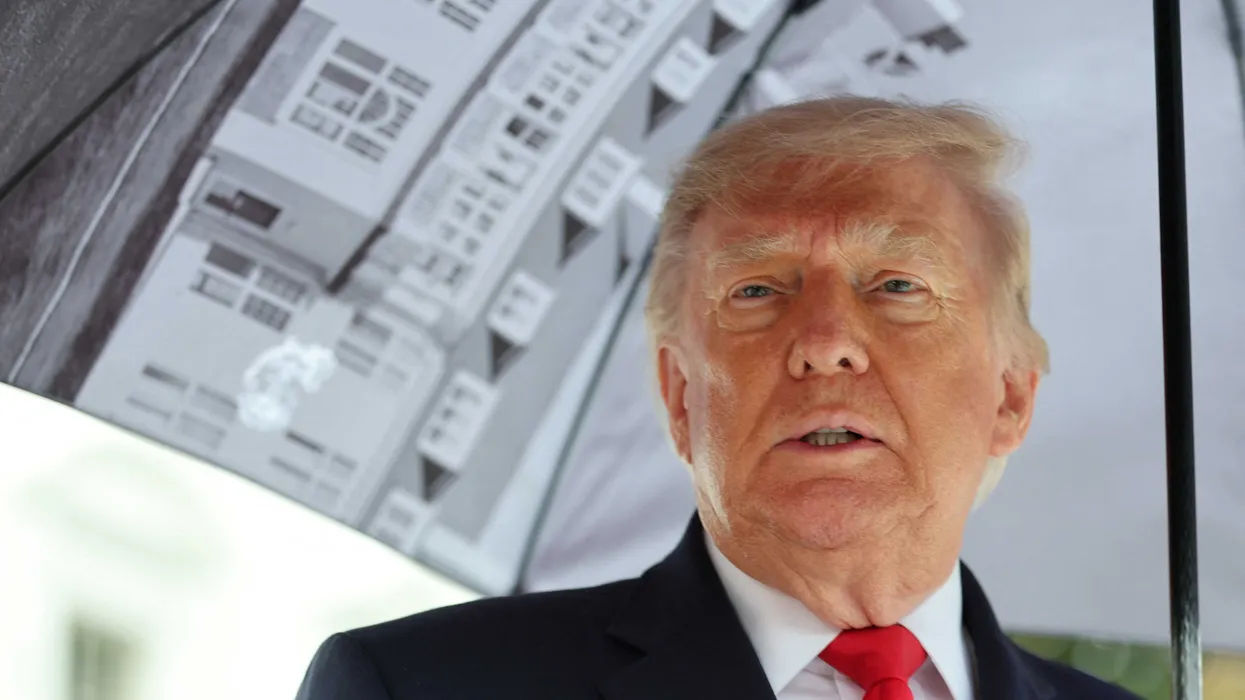
President Donald Trump appears to be taking his recent political beat-down very badly, according to a report published by the Guardian, as the fallout from this month's midterm elections continues to reverberate across Washington.
"Political obituary writers have been swift to describe him as a lame duck, defanged lion or cornered animal in the wake of the midterms," the newspaper observed. The "lame duck" label is the traditional term for a president whose waning electoral standing leaves him with diminished leverage over Congress and even his own party for the remainder of his term. Democrats' 13-percentage-point victory was the second biggest of any midterm election since 1942, and the party captured long-standing Republican bastions including Kansas, Mississippi, South Carolina and Texas.
The roots of the rout, the report suggested, were evident in the president's own record: his eight-month war in Iran sent fuel prices soaring, while his tariff agenda drove the cost of living sharply higher.
"The 80-year-old president's response has swung wildly between conciliation, aggression and farce," the Guardian wrote, citing an episode in which Trump — possibly by accident — presented "violent fighter and warrior" Dana White of the Ultimate Fighting Championship with the job of White House press secretary, before bizarrely calling the offer a joke.
But beneath the farce, the reporting indicated, there was also a fair amount of duck and cover, according to people familiar with the president.
Miles Taylor, a whistleblower and Homeland Security analyst from the first Trump administration, told the Guardian that the finale of the Trump show "will certainly be weirder because Donald Trump was always going to end the administration with the bottom of the barrel appointees," a dynamic Hillary Clinton had suggested.
"Like any wannabe autocrat, you end up in the figurative bunker at the end of the regime with the most hardcore loyalists, which tend to be the people who are willing to contort themselves into whatever shape the leader wants," Taylor said. "These are the people who have no scruples and are willing to carry out the president's most extreme edicts and, in some cases, are the ones who have been goading him for almost a decade to do the most extreme things."
Taylor cited Stephen Miller, Trump's new chief of staff, as a prime example, drawing on his experience with Miller during the first term. The chief of staff is typically the most powerful unelected post in the White House, gatekeeping access to the president and steering policy and personnel decisions. "[H]e was a guy that was all too willing to walk up to the line of the law and then leap over it and dare the courts to rein us in. That was literally the type of thing he said to me on multiple occasions," Taylor said.
His starkest warning describes the gravest failure mode the American system allows: a standoff in which one branch of government simply refuses to comply with another's rulings and no higher authority exists to settle the dispute. "One of my biggest fears about this next two years is: will Donald Trump cause the ultimate constitutional crisis by defying judicial orders, including from the supreme court, if he doesn't get his way? I see it as very possible because he's got a team around him that might be willing to make the case of why that would be justified," Taylor added.
He suggested the turbulence of the coming two years could ultimately be eclipsed by Trump's foreign policy in the latter half of his term, and he pointed to two concrete markers for judging where that policy heads. "Here are things to look for. Does Nato survive this period? Does the United States actually try to go seize more territory?" Taylor asked. "Both of those are things that Donald Trump has talked about doing and been walked back by advisors on over the course of two terms. I'm not sure that's the case anymore."
Despite the historic scale of the losses, the Guardian reported that Republicans have shown little sign of revolt against Trump, or even a willingness to openly blame him for their misfortune. "On Capitol Hill this week the party effectively killed the attempt to impeach Hegseth while also electing Jim Jordan, a pugnacious ally of the president, as its minority leader for the next Congress," the report noted. The minority leader post is the party's top position in the House, meaning the job of steering congressional Republicans through the post-midterm period now falls to one of Trump's most pugnacious allies.

