Trump’s Distraction Playbook Shows Signs of Fading as “Lake America” Rename Flops
Key Takeaways
- •President Trump's early-2025 renaming of the Gulf of Mexico to the "Gulf of America" dominated the news cycle and was adopted by Republican governors, influencers, and major mapping platforms.
- •The Gulf renaming dispute led to press bans after the Associated Press continued using the original name.
- •During a trade dispute with Canada, Trump announced Lake Ontario would be renamed "Lake America," but the provocation generated muted outrage and little sustained media attention.
- •The "Lake America" episode appeared timed to shift focus from voter concerns about inflation, housing costs, and market stability.
- •Slate's analysis concludes that shock-driven media strategies lose potency as the public becomes desensitized, leaving Trump's playbook increasingly predictable.
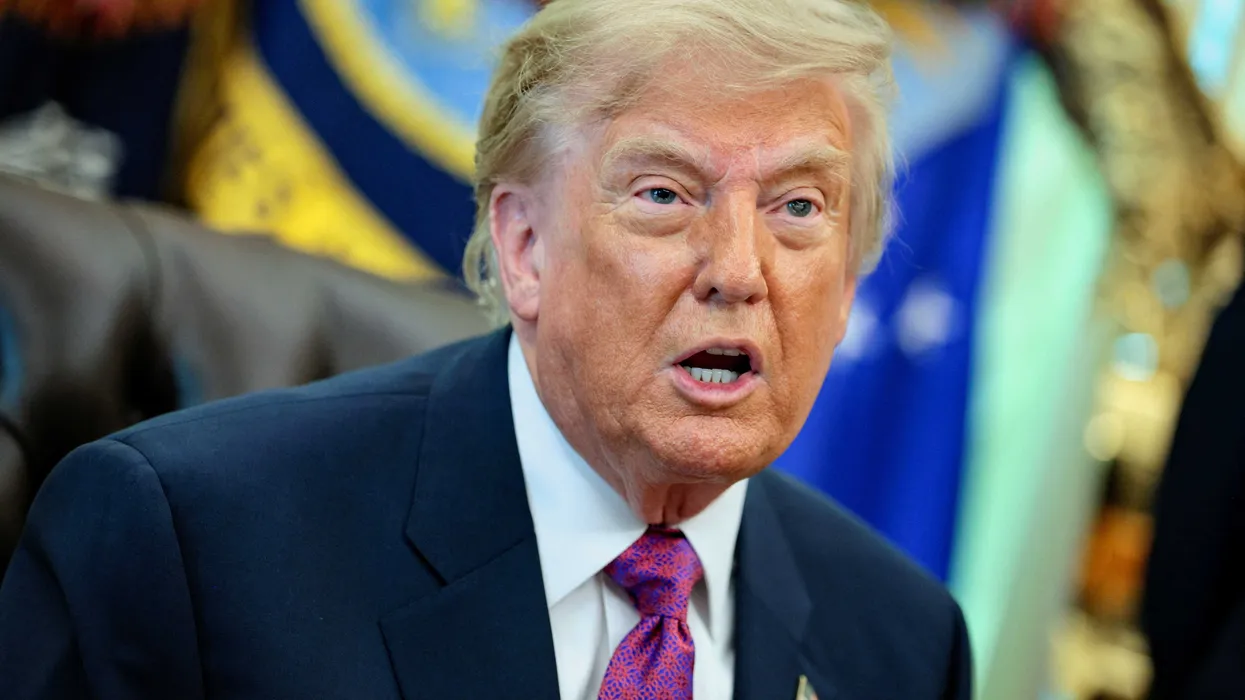
President Donald Trump’s most potent political weapon has never been traditional policy or legislative maneuvering. Instead, it has been an unparalleled mastery of public attention—a signature skill that might best be described as “the distraction.” As a recent analysis from Slate points out, just as Kareem Abdul-Jabbar commanded the basketball court with the skyhook, Trump has historically commandeered the American media landscape by driving the conversation exactly where he wants it to go.
Whether declaring premature victory, invoking the elusive rhetorical shield of “many people are saying,” or plastering outrageous graphics across social media, Trump’s ability to hijack the mainstream media news cycle was once absolute.
Central to President Trump’s playbook has been an obsession with renaming things to provoke his opponents. This strategy peaked at the start of his term in 2025, when he decreed that the Gulf of Mexico would henceforth be known as the “Gulf of America.” It was a classic, high-octane provocation designed to troll critics and double down on his anti-immigration rhetoric. The move became an instant political litmus test: Republican governors quickly adopted the phrase, MAGA influencers filled timelines with it, and merchandise flooded rallies. Major mapping platforms, including Google Maps, updated their labels for U.S. users following the federal renaming, embedding the change in everyday digital infrastructure. It even sparked a bitter feud with the Associated Press and the White House Correspondents’ Association over style guides, culminating in press bans after the wire service continued using “Gulf of Mexico.”
For months, President Trump successfully forced the entire nation to debate a map.
However, recent events suggest this formidable media machine is finally running out of steam, as Slate points out. The public and the mainstream media alike are showing signs of deep exhaustion and desensitization. The shift became glaringly obvious during a recent trade dispute with Canada, when Trump attempted to run the exact same play by announcing that Lake Ontario would be renamed “Lake America.”
By forcing a new national debate over a geographic map, the administration appeared to be attempting to eclipse mounting voter anxiety over economic inflation, housing costs, and market stability.
Where a similar stunt once would have frozen the news cycle for weeks, this latest declaration largely fell flat. The outrage was muted, viral tracking was minimal, and the media quickly moved on. The “Lake America” flop exposes a growing reality in the political landscape: a strategy built entirely on shock value requires ever-escalating shocks to maintain its grip. As the public grows accustomed to the theatricality, the distraction loses its power to blind. Donald Trump’s greatest political weapon may not be entirely gone, but the magic is fading, leaving a once-unstoppable playbook looking suddenly predictable.
