Echoes of 1980: Guardian Analysis Parallels Trump's Iran War with Carter's Hostage Crisis as Midterms Near
Key Takeaways
- •The Guardian analysis compares Trump’s Iran predicament with Jimmy Carter’s 1980 reelection defeat amid the hostage crisis.
- •Trump is heading into the November midterms with Democrats positioned to compete for control of one or both chambers of Congress.
- •The article says a collapsed June ceasefire left Iran in control of the Strait of Hormuz, a key route for about one-fifth of global oil supplies.
- •Polls cited in the analysis suggest many voters blame Trump’s Republican Party for the war and for higher inflation and gasoline prices.
- •The piece warns that further military escalation could push US prices higher and increase the risk of American casualties.
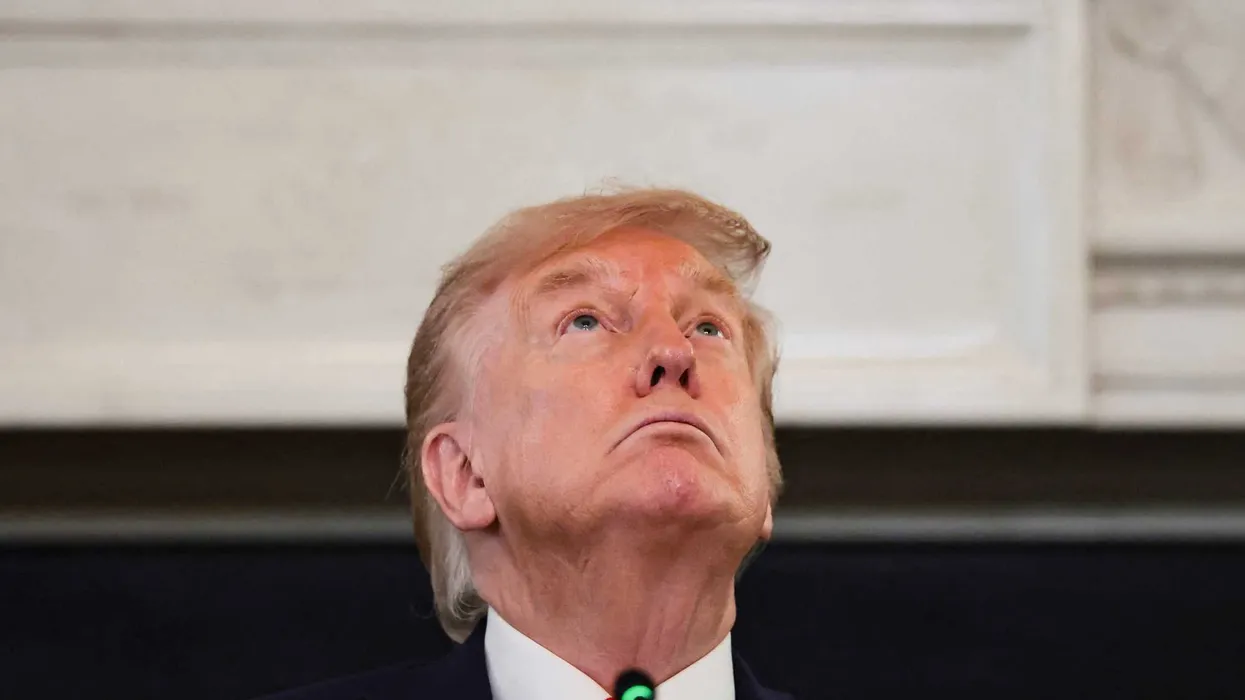
President Donald Trump is vowing further economic damage against Iran, but a new analysis in the Guardian argues that the more potent threat to his presidency lies with Iran itself — and with the precedent of 1980, when the confrontation with Tehran coincided with Jimmy Carter's defeat.
"Months before Jimmy Carter lost the 1980 presidential election to Ronald Reagan, eight US servicemen died in a botched high-risk rescue mission that failed to secure the freedom of dozens of US hostages seized in Tehran," Guardian writer Robert Tait reports. The April 1980 operation, code-named Eagle Claw, never reached Tehran: it was aborted at a desert refueling stop after equipment failures, and the eight servicemen died when a helicopter collided with a refueling aircraft. At a later gathering of students and academics seeking reflections on his single-term presidency, Carter was asked what he regretted most.
"Not sending more helicopters for the hostage rescue," Carter immediately replied, according to Larry Sabato, director of the Center for Politics at the University of Virginia, who hosted the event. "It was very much on his mind," Sabato said.
As Trump campaigns through November midterm rallies and run-offs, the analysis suggests, Iran — and what it did to Carter — is likely on his mind as well.
Trump remains entangled in an Iranian conflict of his own making as he heads toward the 3 November midterm elections in which Democrats are positioned to capture one or both chambers of Congress — contests that will put all 435 House seats and roughly a third of the Senate on the ballot. Polls cited in the analysis suggest voters are preparing to punish Trump's Republican Party for allowing the president to pull the nation into war, with the subsequent high inflation and gasoline prices adding to the pressure.
The president's effort to finish the war he started alongside Israel has foundered since a ceasefire agreement signed in June collapsed, leaving Iran in control of the strategic Strait of Hormuz — the conduit for one-fifth of the world's oil supplies before the war closed it, Tait reports.
Tait writes that Trump now carries unmistakable echoes of the Carter era as the midterms bear down on him.
"With public support for the war running low, polls show a majority of American voters believe they are worse off since Trump returned to office in January 2025. That indicator alone has echoes of Reagan's famous question to voters during his 1980 presidential debate with Carter: 'Are you better off than you were four years ago?'" The Reagan Presidential Library maintains an archive of that debate, and Reagan carried 44 states that November; his question has echoed through American campaigns ever since.
Sabato told the Guardian that Trump's troubles bear a broader resemblance to Carter's dilemma. Carter failed to recover the hostages after revolutionaries stormed the US embassy in Tehran on 4 November 1979 and held 52 diplomats and military personnel; likewise, every option available to Trump ultimately worsens his predicament.
"Carter couldn't change course, and maybe that's what's most applicable, because Trump can't change course either," said Sabato. "Carter was stuck because, after the failed rescue, the hostages were dispersed throughout Iran and there was no way to recover them."
Iran freed the hostages after 444 days in captivity, minutes after Reagan was sworn into office on 20 January 1981 — a timing that has long been alleged to result from an inside deal in which the incoming Reagan campaign worked to prevent the hostages' release before Election Day, an allegation known in US politics as the "October Surprise." A PBS NewsHour segment examined a new account of that alleged arrangement. For Trump, the analysis notes, no shadowy bargain between Iranian officials and Republican operatives stands ready to pull Americans out of the current conflict; he entered it entirely of his own volition.
Now, Tait reports, Iran is pursuing what the analysis calls "payback" — Iran style.
"They are determined to make him pay the consequences of starting this war at the midterm elections," said Vali Nasr, an Iran expert and professor of international relations at Johns Hopkins University who served as a senior State Department adviser during the Obama administration. "The whole point Iran is making is that 'We're not going to let him decide the sort of ebb and flow of this war.' Their position is 'We have a vote here, and we're not just going to make it convenient for him.'"
In doing so, Iran is effectively weaponizing US voters against a president whose options are limited, the analysis argues. The visible difference between Carter and Trump at this stage is largely rhetorical: Trump has threatened to "bomb the s—— out of" Oman if it "gets in the way" of efforts to end the conflict.
But if Trump escalates with more bombing or even a ground invasion, the analysis notes, he risks driving US prices higher still and sending more American service members home in coffins — deepening rather than resolving his predicament.
