Canada and Trump Administration Trade Blame as Collapsed Talks Trigger 50 Percent Tariffs
Key Takeaways
- •Prime Minister Mark Carney said Canada suspended trade negotiations and recalled its negotiators before the midnight deadline.
- •The United States plans to impose a 50% tariff on roughly $28 billion of Canadian exports, and Canada said it will respond dollar for dollar.
- •U.S. Trade Representative Jamieson Greer said Canada rejected the deal under terms agreed earlier in the week and introduced new demands.
- •The dispute builds on trade tensions that began in early 2025, including earlier U.S. tariffs on Canadian imports, steel, and aluminum.
- •No new talks were announced, leaving the tariffs and Canada’s retaliatory measures as the immediate next step.
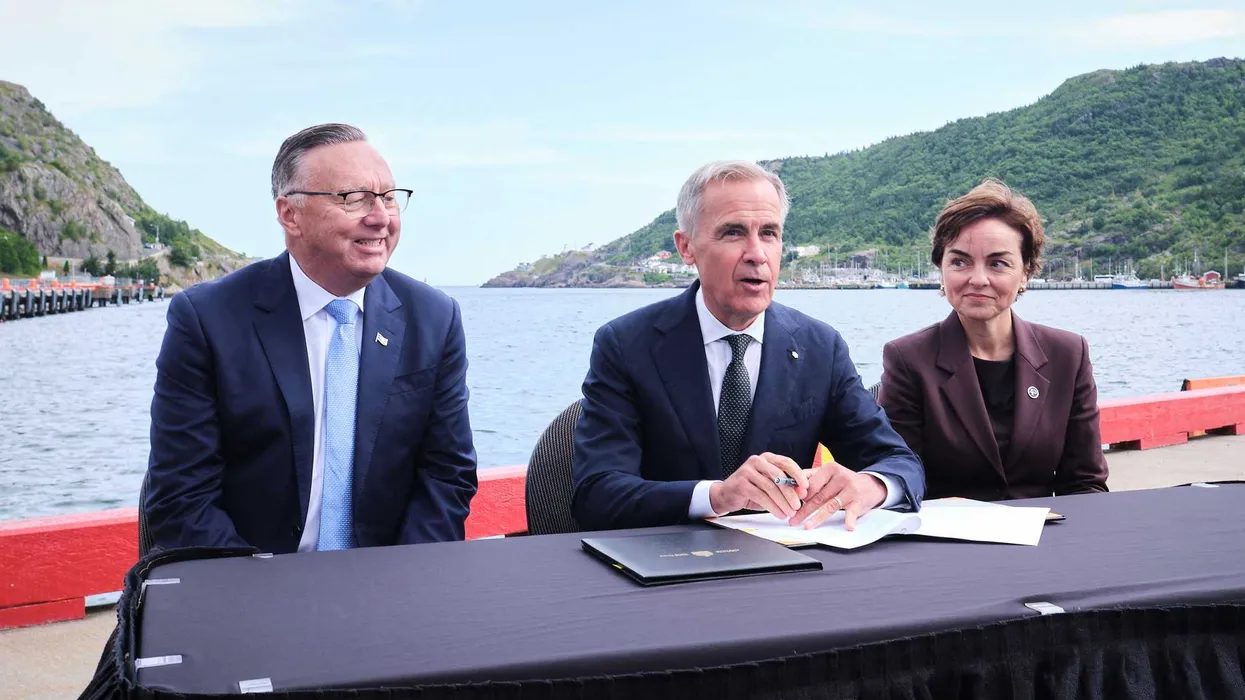
The United States and Canada traded accusations late Friday after last-ditch trade negotiations collapsed, setting the stage for 50 percent tariffs on Canadian exports and retaliatory measures from Ottawa.
Prime Minister Mark Carney announced that he had suspended trade negotiations with the United States and pulled his negotiating team home minutes before a midnight deadline, a decision that set in motion steep new tariffs on Canadian exports.
"As a result, this evening I have decided to suspend trade negotiations with the U.S. and have directed Canada's negotiators to return to Ottawa," Carney said in a statement posted on X.
Carney blamed a reversal by the Trump administration in the final hours of talks, saying, "Last-minute changes in the U.S. proposed terms were unfair, uneconomic, and called into question the reliability of any deal."
A former central banker who led both the Bank of Canada and the Bank of England before becoming prime minister last year, Carney framed the walkout as a matter of principle and vowed retaliation, insisting the goal had always been "the best deal for Canadians, never a deal at any price or on any deadline."
"At midnight tonight, the U.S. intends to impose a 50 percent tariff on roughly $28 billion of Canadian goods," he wrote. "Canada will match those tariffs dollar for dollar to protect our workers and businesses."
The threatened duties would extend a trade conflict that has run since early 2025, when the Trump administration first imposed broad tariffs on Canadian imports and later raised levies on steel and aluminum. The exposure falls unevenly: Canada sends roughly three-quarters of its exports to the United States, while American shipments to Canada account for a far smaller share of total U.S. exports.
The Trump administration told the opposite story in a statement posted after midnight. U.S. Trade Representative Jamieson Greer said Canada was the party that balked.
"Tonight, Canada declined to finalize the trade deal under the terms agreed earlier this week," Greer wrote in a statement posted on X, pinning the collapse on "new demands and walk backs of other commitments by Canada" that he said "upended the careful balance reached in the past days."
Greer wrote that the U.S. had offered "significant tariff reductions on steel, aluminum, autos, and lumber," along with a "historic economic and national security partnership" and a formal renegotiation of the U.S.-Mexico-Canada Agreement. The 2020 pact replaced NAFTA and was already scheduled for a joint review by the three member countries in 2026. The industries covered by the U.S. offer are among the most integrated in North America — automotive supply chains in particular route parts across the border at multiple stages before a finished vehicle is assembled.
He also pointed to Canada's retaliation, which has included provincial bans pulling American alcohol from store shelves, a tactic several provinces first used during the earlier rounds of the dispute in 2025.
Greer called the breakdown "a missed opportunity for Canada to partner with the United States, which is the fastest growing economy in the G7."
No new talks were announced by either side, leaving the scheduled measures — the U.S. tariffs taking effect at midnight and Canada's dollar-for-dollar response — as the immediate next step in a dispute now in its second year.
Tonight, Canada declined to finalize the trade deal under the terms agreed earlier this week. Despite the U.S. offer to Canada to receive the best treatment of any major exporter to our market, new demands and walk backs of other commitments by Canada have upended the careful…
— United States Trade Representative (@USTradeRep), August 22, 2026
