Trump Faces Iran War Decision as Advisers Clash Over New Strikes and Peace Efforts
Key Takeaways
- •Vice President JD Vance and Gulf allies are advising Trump to end the Iran conflict, while Defense Secretary Pete Hegseth and CENTCOM head Adm. Brad Cooper support a new round of military strikes.
- •The strikes backed by Hegseth and Cooper would target Iran's energy infrastructure and nuclear sites, potentially extending beyond the scope of previous operations.
- •Trump said Thursday that a decision on the conflict's direction was approaching but did not disclose which recommendation he intends to follow.
- •Brent crude recorded its worst weekly performance since the COVID-19 pandemic, falling from $113.43 to $98.32 per barrel, according to Reuters.
- •Brent crude dropped 7.6% on Monday after reports emerged about potential peace talks with Iran.
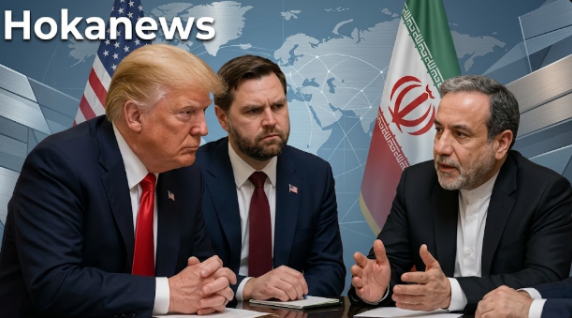
U.S. President Donald Trump is confronting a deepening divide inside his administration over whether to wind down the war with Iran or resume large-scale military operations, as senior officials advance competing recommendations that have added uncertainty to the conflict. The internal debate has unfolded alongside sharp swings in global oil prices, with Brent crude posting its worst weekly performance since the COVID-19 pandemic, according to Reuters.
According to information shared by Coin Bureau, citing The Wall Street Journal (WSJ), Vice President JD Vance and U.S. allies in the Gulf region are advising Trump to bring the conflict to a close. Their position stands in contrast to that of Defense Secretary Pete Hegseth and Adm. Brad Cooper, head of U.S. Central Command (CENTCOM), who support launching another round of military strikes against Iran.
Advisers Split Over Military Strategy
At the heart of the dispute is whether Washington should pursue an end to the fighting or broaden its military campaign. Vance and the Gulf allies are reportedly encouraging a diplomatic resolution and a halt to hostilities, while Hegseth and Cooper favor additional military action.
The strikes backed by Hegseth and Cooper would target Iran's energy infrastructure and nuclear sites. The proposed objectives indicate that the military option under consideration could extend beyond previous operations, placing critical Iranian infrastructure among the potential targets.
That target list helps explain the market sensitivity on display this week: Iran's energy sector is part of the global oil supply chain, and the country borders the Strait of Hormuz, one of the world's busiest transit routes for crude shipments — geography that places its energy assets on the radar of traders, refiners, and shippers worldwide.
Trump has not publicly disclosed which recommendation he intends to follow. Speaking on Thursday, the president acknowledged that a decision was approaching but offered no specifics about the administration's next move.
"Now we will make a decision," Trump said. "You'll know soon enough."
His remarks came as senior officials presented competing positions on the future direction of the conflict, leaving open the possibility of either ending the war or resuming major combat operations.
Brent Crude Suffers Worst Week Since COVID
Uncertainty surrounding the Iran conflict has coincided with pronounced volatility in international oil markets. Crude prices fluctuated throughout the week as headlines involving Iran and developments around potential peace negotiations moved the market.
Reuters reported that Brent crude endured its worst week since the COVID-19 pandemic, declining from $113.43 to $98.32 per barrel — a substantial weekly retreat for the international benchmark, which serves as a reference price for crude sold around the world.
One of the sharpest declines came on Monday, when Brent crude fell 7.6% following reports of peace talks with Iran. The possibility of negotiations emerged amid the ongoing conflict and triggered a steep downward move in oil prices, underscoring how quickly crude reprices on headlines about the conflict's direction.
The tension between diplomatic efforts and proposals for renewed strikes remains central to the situation. While Vance and Gulf allies are urging Trump to end the war, Hegseth and Cooper are backing further attacks targeting Iran's energy infrastructure and nuclear facilities.
For oil markets, the next development will come against the backdrop of Brent crude's slide from $113.43 to $98.32 per barrel and its worst weekly performance since COVID, as the Trump administration weighs its next decision on Iran. Until that decision is announced, both paths — ending the war or resuming major combat operations — remain open, and the week's trading showed how closely energy markets are tracking each development out of Washington.
This article is a standardized rewrite of a report originally published by Hokanews.

