Polling Data Shows Sharp Republican Decline on Trump's Iran Handling, Says CNN Analyst
Key Takeaways
- •Confidence among highly motivated voters that Trump could handle the Iran situation dropped from 53% in July 2024 to 29%, according to a CNN/Pew survey.
- •Republicans held an 18-point advantage in January 2025 on which party is trusted more on wars, conflicts, and terrorism, but that lead has turned into a two-point Democratic edge.
- •Enten attributed the decline to perceived broken promises by Trump on Iran-related issues.
- •National security and foreign policy have historically been areas where Republican candidates enjoyed a polling advantage, making the current inversion notable.
- •The polling shift comes ahead of the 2026 midterm cycle, where voter trust on foreign policy could be decisive in competitive congressional races.
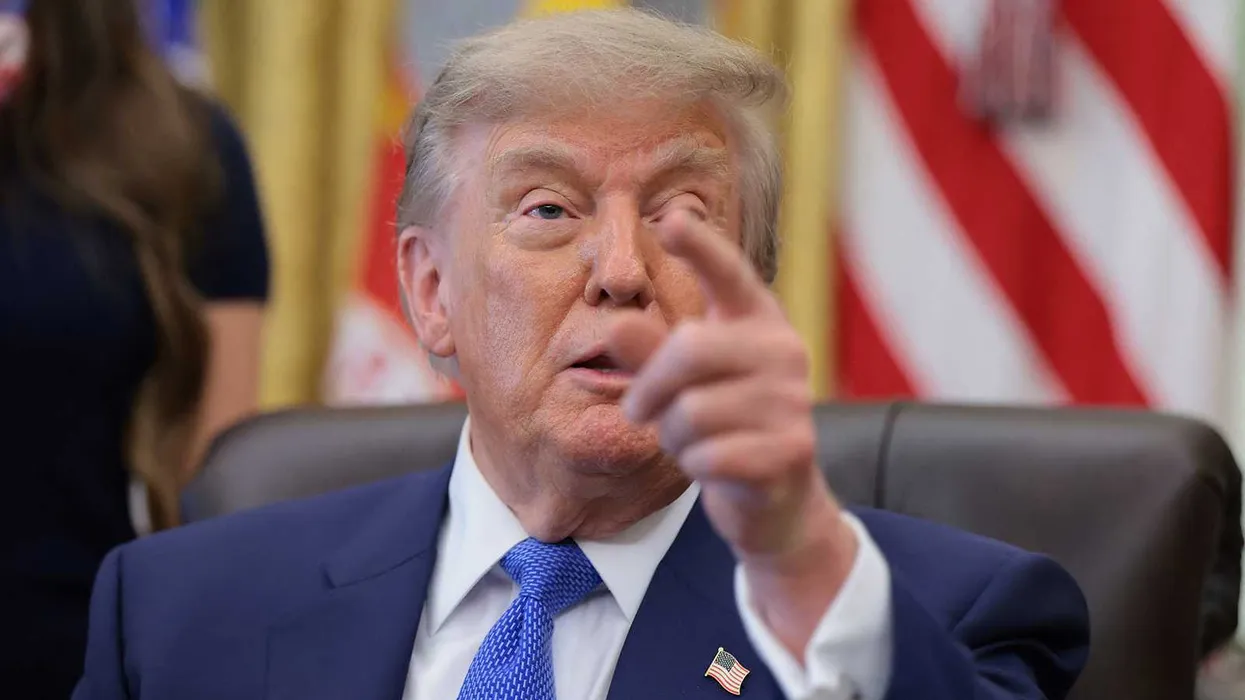
CNN data analyst Harry Enten identified a striking trend in recent polling numbers that reveals the extent to which even Republican voters have distanced themselves from President Donald Trump on certain issues.
In a discussion with host John Berman, Enten pointed out that the decline is not limited to Trump's ratings on handling the situation in Iran — it is the magnitude of the drop over the past two years that stands out. The issue has taken on renewed political salience as tensions between the U.S. and Iran over Tehran's nuclear program, regional proxy activity, and American military posture in the Middle East have persisted throughout Trump's return to office.
"You know, sometimes I look at the polling data, and I find a surprising nugget, one that I honestly didn't think existed," Enten said. "But then I dug deep enough and found it. And, you know, there was a great poll question: feelings on Trump and Iran handling Iran. You know, back in July of 2024, 53 percent of voters said they were extremely motivated to vote [also] said they were actually confident, confident that Trump would be able to handle the situation in Iran. Look at where that number is now when it comes to his approval among the same group."
According to the CNN/Pew survey, that figure has since dropped to 29 percent — a decline of nearly 25 percentage points over two years. Enten characterized the shift as a "giant fall."
"Promises were made, and promises were not kept. They were broken as far as those voters were concerned," Enten said.
Berman noted the significance of the reversal, observing that Trump "would go on the stump and talk about Iran because it was a net positive issue for him now. Now, it is a negative issue."
Enten agreed, stating: "Republicans wish he would keep quiet about it."
The erosion is particularly notable because national security and foreign policy have historically been issues where Republican candidates have enjoyed a polling advantage — making the current numbers an unusual inversion of the usual partisan landscape on questions of war, conflict, and terrorism.
Looking beyond the president's own numbers, Enten explained that the trend extends to Republican lawmakers more broadly. Citing data on which party is trusted more on wars, conflicts, and terrorism, he noted that in January 2025, Republicans held an 18-point lead — what he described as "a tremendous advantage."
"That advantage, because of President Trump, has turned into a disadvantage on a core key question that almost always favors Republicans," Enten said.
Democrats now hold a two-point edge over Republicans on that same question, according to Enten's analysis.
"That is a 20-point move that we're seeing towards the Democrats as the Republicans go down, because down goes President Trump. They are simpatico on this one," Enten added.
The shift comes ahead of the 2026 midterm cycle, where control of Congress will again be at stake and where voter trust on foreign policy and national security could prove decisive in competitive races.
