Trump Administration Sanctions International Criminal Court After Nobel Peace Prize Snub
Key Takeaways
- •The Trump administration imposed sanctions on the International Criminal Court on Friday, targeting the institution itself after previously penalizing only individual judges and prosecutors.
- •The announcement followed closely after Navi Pillay, a former ICC Appeals Chamber judge, received the 2026 Nobel Peace Prize, although the administration had reportedly planned the measures for months.
- •Secretary of State Marco Rubio stated that the ICC must end its threats or the United States would end the court.
- •The sanctions reflect long-standing US objections to ICC investigations involving American military personnel and to arrest warrants issued against Israeli leaders, including Prime Minister Benjamin Netanyahu.
- •ICC President Tomoko Akane said the court would keep operating despite the restrictions, and officials have already replaced Microsoft software and arranged alternative financial services as safeguards.
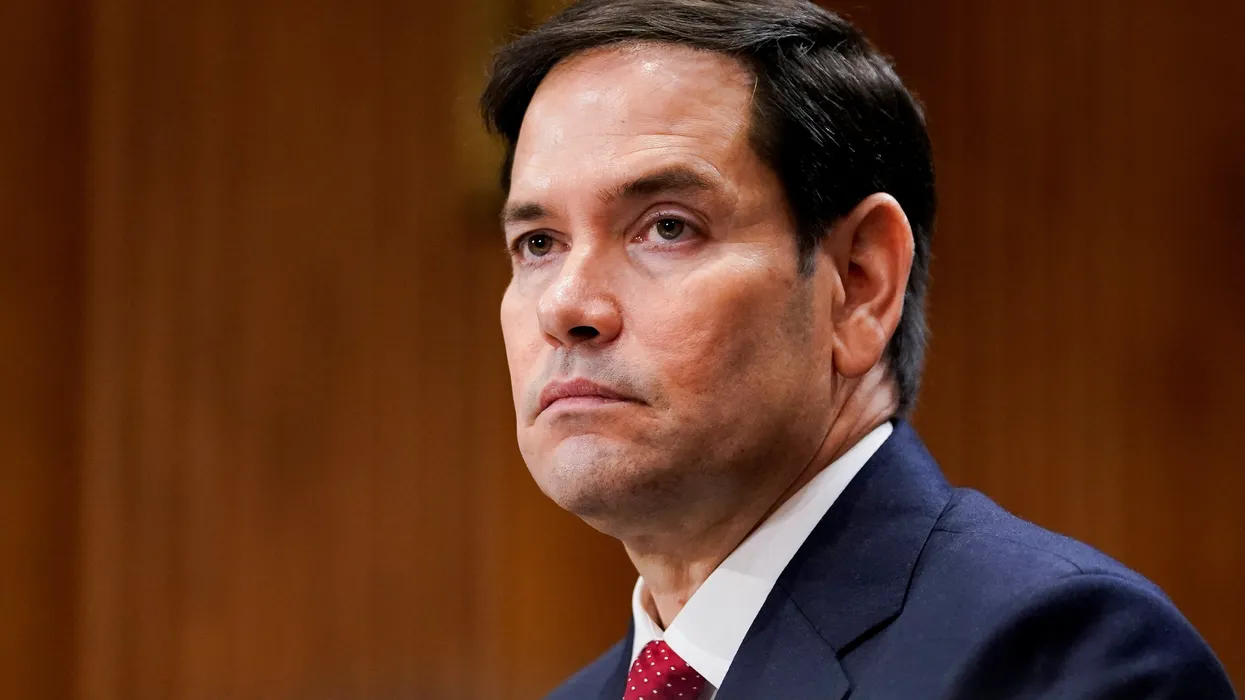
President Donald Trump's disappointment over being passed over for the Nobel Peace Prize was quickly followed by a sweeping move against the International Criminal Court — the institution where this year's laureate once served as a judge — with the timing drawing suggestions of retaliation.
On Friday, the Trump administration announced it was imposing sanctions on the International Criminal Court (ICC), aiming to weaken the court's operations by restricting financial transactions and potentially cutting off access to essential services.
The announcement came shortly after the Norwegian Nobel Committee awarded the 2026 Nobel Peace Prize to Navi Pillay, a South African jurist and former ICC judge who has been recognized for her work advancing international law.
The court, created under the 1998 Rome Statute and seated in The Hague, tries individuals for genocide, war crimes, and crimes against humanity. United States is not among its members, having never ratified its founding treaty.
The close timing does not, by itself, prove the sanctions were imposed in response to the Nobel decision. According to The New York Times, the administration had been planning the measures for months.
Secretary of State Marco Rubio made clear that Washington intends to severely limit the court's activities. "Either the ICC will end its threats, or we will end the ICC," Rubio stated.
The administration had previously sanctioned individual judges and prosecutors. Friday's action went considerably further by targeting the institution itself. Because the court depends on outside providers for banking, insurance, and software, financial restrictions aimed at an institution can reach into routine operations such as paying staff and maintaining case files — a step that could force banks, insurers, and technology companies to sever ties with the court.
The Nobel Committee's decision lent an unusual dimension to the mounting confrontation. The laureate, now 85, served on the ICC's Appeals Chamber from 2003 to 2008 and earlier led the United Nations' human rights office. She also led a U.N. commission that investigated the conflict in Gaza.
On Truth Social, Trump endorsed criticism of Pillay's record made by his former lawyers.
In announcing the award, the Nobel Committee specifically pointed to the threats facing international judicial institutions. "The judges – those who guard the thin red line between order and chaos – are therefore highly deserving of our praise," the committee said.
The ICC swiftly denounced the sanctions imposed by Washington, accusing the administration of attempting to obstruct international justice. Court President Tomoko Akane said the institution would keep operating on its own even in the face of the restrictions.
The clash follows repeated statements by Trump that he deserves the Nobel Peace Prize. Earlier this week, he said no one in the award's history deserved it more, citing his claim that he had settled eight wars.
The sanctions announced Friday also underscored Washington's long-standing objections to the ICC conducting investigations involving American military personnel, as well as to the court's issuance of arrest warrants against Israeli leaders, including Prime Minister Benjamin Netanyahu.
Headquartered in the Netherlands, the court has 125 member states, including several American allies. To guard against possible sanctions, ICC officials have already replaced Microsoft software and arranged alternative financial services. How those contingency arrangements hold up — and whether the banks, insurers, and technology firms the court relies on choose to disengage — is likely to shape the practical impact of the measures, as will the response of the member states that help fund the institution.

