Trump's Weathered Campaign Appearances Renew Health Concerns Ahead of Midterms
Key Takeaways
- •Trump has held 22 rallies since the start of October, with 29 scheduled in total between October 1 and Election Day on November 3, leaving seven appearances in the final days before the vote.
- •Observers at recent events have reported signs of fatigue, including a hoarse voice, drooping eyelids, slumped posture, and visible exhaustion after a Mississippi rally despite cool temperatures.
- •Forensic psychologist Dr. John Garrison analyzed a viral mid-speech vocalization and concluded Trump is showing what he described as apparent neurological decline that could suggest dementia or seizure activity.
- •The White House attributed recurring hand bruising to frequent handshaking and aspirin use and said Trump has been diagnosed with chronic venous insufficiency, a condition that often causes ankle swelling.
- •Trump's physician stated in May that the president remained in excellent health and was fully fit to serve.
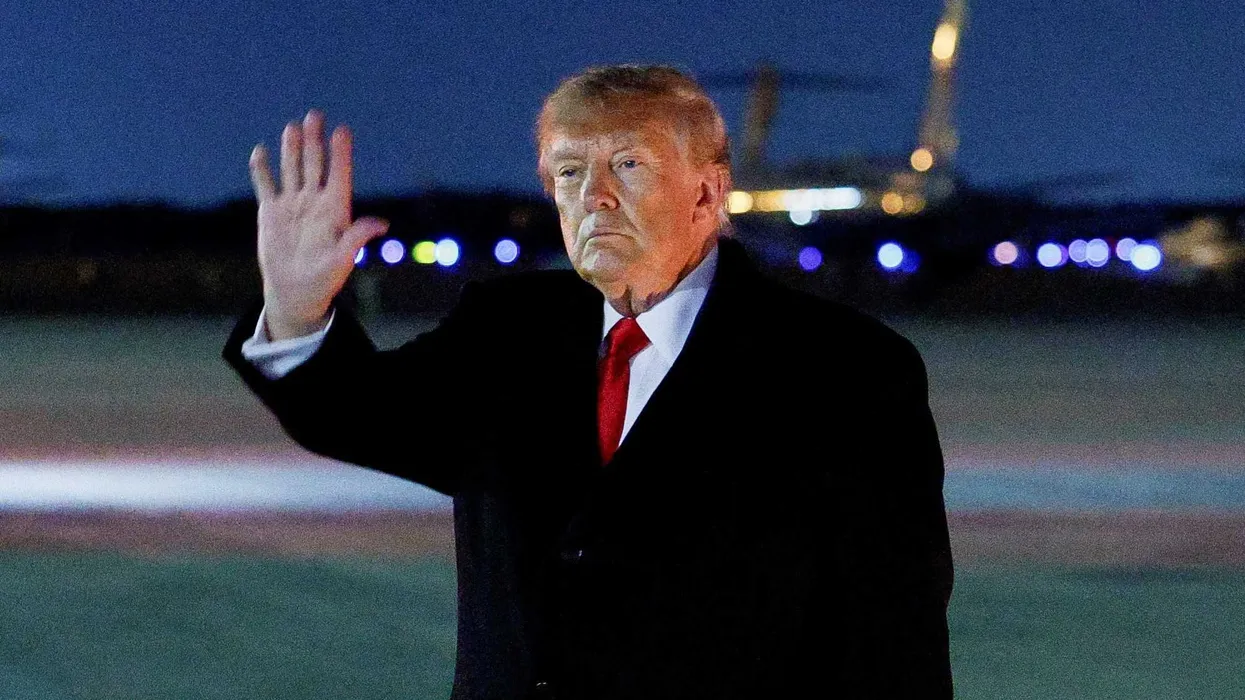
President Donald Trump's increasingly weathered appearances on the campaign trail are raising fresh concerns about his health as the 80-year-old crisscrosses the country in a final push to rescue endangered Republicans ahead of next week's midterm elections.
The worries extend well beyond a single awkward moment. Over the past few weeks, Trump has appeared utterly drained at rallies, spoken in a markedly hoarse voice, and been seen slumping in his chair at a series of events.
The Daily Beast reported on Tuesday that the president has held 22 rallies since the beginning of October, with 29 scheduled in total between October 1 and Election Day on November 3. That leaves seven rallies still to come in the final days before voters head to the polls. The sheer volume of travel has at times required late-night returns to Washington and multiple appearances in a single day.
The campaign sprint comes as polls suggest Republicans could be facing a wipeout, including in states that Trump won by a wide margin two years ago. With a possible impeachment looming, investigations pending, and the prospect of serving as a "super lame duck" for his final two years in office, it is easy to see why the president has not slowed the pace.
Even Trump has acknowledged that the grind is taking a toll.
"You think it's easy doing these little suckers?" he asked the crowd at a rally in Michigan on Sunday, referring to his recent campaign appearances.
"When God made vocal cords, he did not make them for 25 or 26 of these in a period of 10 days," he added.
At a White House event on October 7, Trump repeatedly leaned forward and slumped in his chair as other speakers addressed the room. Observers at recent campaign stops have also noted his drooping eyelids, strained voice, and overall look of exhaustion.
On Monday, Trump returned from a Mississippi rally looking sweaty and exhausted despite temperatures having dropped into the 50s, according to the Daily Beast. Earlier at the event, he appeared slow and sluggish as he approached the stage and tossed hats into the crowd.
His public comments have also fueled speculation about his mental sharpness. During recent speeches in South Carolina and Iowa, Trump made a strange noise mid-speech, a moment that went viral.
Forensic psychologist Dr. John Garrison analyzed the video and concluded that the president is displaying "more signs of apparent neurological decline." Garrison pointed out that Trump's involuntary vocalization and declining motor control could suggest dementia or seizure activity, and noted that the president's issues appear to be progressing over time.
Alongside the apparent cognitive concerns, other physical issues have drawn attention, including recurring bruising on Trump's hands and swelling around his ankles. The White House previously attributed the bruising to frequent handshaking and aspirin use, a blood thinner that can make bruising more likely, and said the president has been diagnosed with chronic venous insufficiency. The latter condition affects the veins' ability to return blood from the legs to the heart and often causes swelling in the ankles and lower legs.
Trump's physician said in May that he remained in "excellent health" and was fully fit to serve.

