Conservative National Review Slams Trump's Greenland Push as Diplomatic Debacle Damaging US 'Reputation'
Key Takeaways
- •The conservative National Review editorial described President Trump's Greenland annexation push as a diplomatic debacle that harmed U.S. credibility and created a major rift within NATO.
- •Greenland holds strategic importance for the United States because of its Arctic location, its role a North Atlantic vantage point, and its potential rare earth mineral resources.
- •Denmark administers the self-governing territory of Greenland's foreign and security policy, making Copenhagen an unavoidable partner in any American approach to the island.
- •Trump's 2019 bid to buy Greenland was rebuffed by Copenhagen and led him to cancel a planned state visit, while the U.S. already maintains a military presence at Pituffik Space Base under a 1951 defense agreement with Denmark.
- •The editorial argues that any future agreement should explicitly preserve Danish and Greenlandic sovereignty and that Washington should rebuild its relationship with Denmark and Greenland to repair the diplomatic damage.
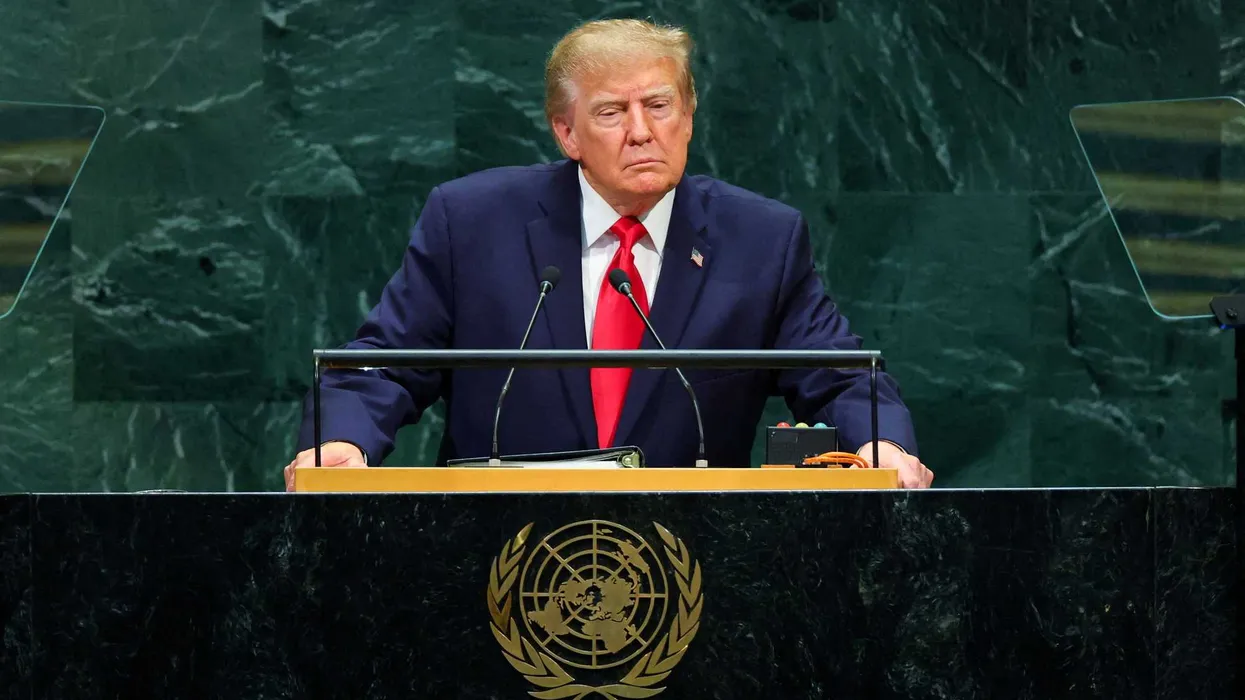
President Donald Trump drew significant pushback from the United States' North Atlantic Treaty Organization (NATO) allies after threatening Greenland with annexation. In a biting editorial, the conservative National Review argues that Trump's Greenland push amounted to a "diplomatic" debacle — one that damaged the United States' "reputation" and undermined key.S. alliances.
Greenland is a self-governing territory within the Kingdom of Denmark, with Copenhagen responsible for the island's foreign and security policy — a status that makes the Danish government an unavoidable counterpart in any U.S. approach. The editorial stresses that while Greenland is genuinely important to the United States, Trump handled the matter badly and at a considerable "cost."
"To be clear," the Review writes, "Trump was right about one big thing: that Greenland merited much more attention than it had been getting. The Arctic may not have warmed up by as much and as quickly as Al Gore and others claimed it would, but it has done so by enough to render it much more accessible than before. As a result, it is becoming a zone of geopolitical competition for its resources and, more simply, because of location, location, location. For obvious geographical reasons, that increases the already-considerable importance of Greenland to this country."
The editorial adds: "The island is a potential back door through U.S. defenses and a key North Atlantic vantage point. Moreover, in an era of supply-chain anxiety, it has potentially valuable mineral resources, including rare earths." Rare earth elements are used in products ranging from electric vehicles and wind turbines to defense systems, and China's dominance over their processing has made securing alternative supply a longstanding concern in Washington.
But Trump, the Review laments, made things "painful" in ways they did not have to be.
"Asking politely to upgrade the existing agreement might well have delivered just that — and done so without creating all the geopolitical self-harm," the Review explains. "Unfortunately, Trump went about defending the U.S. strategic interest in a different way, and that was the wrong way. The core of the problem has been that, despite his own nationalist instincts, the president is oblivious when it comes to the national sensitivities of others. Originally, he had imagined that Greenland could simply be bought: essentially, it would be 'a large real estate deal.' This was not, unsurprisingly, how the Danes and Greenlanders saw it. The president's adding the threat of stick (tariffs and hints of worse) to the promise of carrot caused a major rift within NATO and did damage to our reputation as a reliable ally."
The purchase idea dates to Trump's first term, when his 2019 bid to buy the island was rebuffed in Copenhagen and led him to cancel a planned state visit. The United States, for its part, already maintains a military foothold on the island through Pituffik Space Base, operated under a 1951 defense agreement between Washington and Denmark.
According to the Review, "stressing the fact that Danish and Greenlandic sovereignty will be left intact" is in the United States' best interests.
"If and when an agreement is concluded," the editorial argues, "the best way to maximize its benefits to the U.S. will be to repair the diplomatic damage that this episode has caused by rebuilding a deeper relationship with Denmark and Greenland."
Watch points going forward include whether any future arrangement explicitly preserves Danish and Greenlandic sovereignty, as the editorial urges, and whether Washington and Copenhagen can rebuild the ties strained by the annexation threats.
This article is based on reporting by Alternet.

