Democratic Strategist James Carville Says Trump's Grip on Republican Party Is Slipping
Key Takeaways
- •Trump's approval among Republican voters has fallen from roughly 95 percent to approximately 80 percent, with YouGov/Economist and ActiVote polls both recording 79 percent approval in July.
- •Trump-endorsed Senator Lindsey Graham failed to secure enough support in South Carolina's Tuesday vote to avoid a runoff, signaling diminished clout from a once-decisive endorsement.
- •Carville links much of the approval decline to Trump's February decision to launch military strikes against Iran without congressional authorization, a conflict that has drawn less than 40 percent public support.
- •A Reuters/Ipsos poll found that nearly 70 percent of Americans, including 40 percent of Republicans, believe Trump has not clearly articulated the rationale for U.S. involvement in the Iran conflict.
- •Republican pollster David Winston cautioned that if Democrats maintain their economic advantage and continue winning independents broadly, a Democratic wave in November's elections remains plausible.
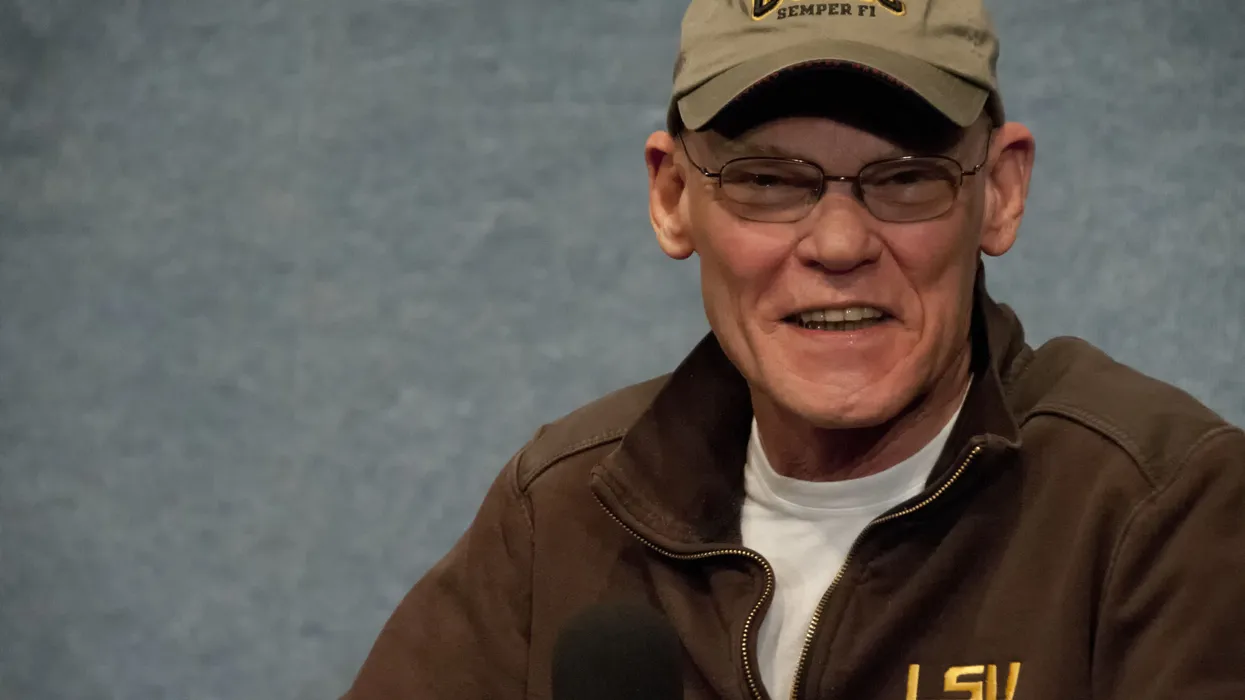
Donald Trump's influence over the Republican Party is declining markedly, according to veteran Democratic strategist James Carville, who says the shift has been striking even to one of Trump's most persistent critics.
Carville, best known as the lead strategist behind Bill Clinton's 1992 presidential victory, has spent decades observing partisan realignments. Speaking on his Politics War Room podcast, he highlighted what he described as an underreported story in American politics: a steep slide in Trump's approval rating among members of his own party. Republican approval now sits at roughly 80 percent, down from the 95 percent level Trump enjoyed earlier in his term — a notable contraction for a figure whose political brand has been built on near-absolute intra-party loyalty.
"It's so hard after being so obsessed with Trump for so long for the last 10 years; it's just been Trump, Trump, Trump, Trump — the country is starting to turn away from him," Carville said.
"Sure, his polling numbers are down. But he's just becoming less relevant in people's minds. And I think that applies to Republican primary voters in South Carolina. I think every day his endorsement loses a tenth of a point's influence."
Carville was referring to Tuesday's vote in South Carolina, where Trump-backed Sen. Darline Graham failed to secure enough support to avoid a runoff election — a notable setback for an endorsement that was once considered decisive.
Recent polling corroborates the downward trend. A YouGov/Economist survey placed Republican approval of Trump at 79 percent, down from 94 percent at the start of his second term. A separate ActiVote survey from July recorded nearly identical findings, at 79 percent, compared with 86 percent in January 2025.
Carville argued that the deeper concern for Trump is that Republican voters are beginning to tune him out entirely, as evidenced by his once-formidable primary endorsement failing to deliver a outright win for Graham.
Much of the erosion, Carville said, can be traced to Trump's decision in February to launch military strikes against Iran without congressional authorization — a decision that reignited a long-standing constitutional debate over executive war powers that has persisted across administrations of both parties. Public support for the conflict has remained below 40 percent since the bombing campaign commenced on February 28 — considerably lower than initial backing for the wars in Iraq or Afghanistan.
A Reuters/Ipsos poll found that nearly seven in ten Americans — including 40 percent of Republicans — believe Trump has not clearly articulated why the United States is engaged in the conflict. The administration has cycled through multiple justifications, ranging from regime change to dismantling Iran's missile program to preventing the acquisition of a nuclear weapon, without settling on a single rationale.
According to the same poll, two-thirds of Americans want the war brought to an end, including 73 percent of independents and 30 percent of Republicans. However, most doubt a resolution is imminent: 37 percent expect the conflict to continue for months, while 32 percent fear it could extend into years.
Republican pollster David Winston cautioned this week that if Democrats maintain their advantage on economic issues and continue to win independents by wide margins, a Democratic wave in November's elections remains a genuine possibility.

