GOP donors question Trump team’s fear-based strategy for 2026 midterms
Key Takeaways
- •Republican leaders are urging donors to fund races in traditionally safe states that have become unexpectedly competitive.
- •Vice President JD Vance advocated nationalizing the election and emphasizing alleged Democratic extremism to mobilize Republican voters.
- •Sen. Roger Marshall’s Kansas reelection bid has tightened, with a former Republican governor endorsing his Democratic challenger.
- •Some Republican donors and officials said attacking Democrats would not be sufficient without presenting trusted, concrete alternatives to voters.
- •The party’s shift from labeling Democrats socialist to communist has drawn internal criticism, particularly because of Trump’s proposed $5,000 stimulus payments.
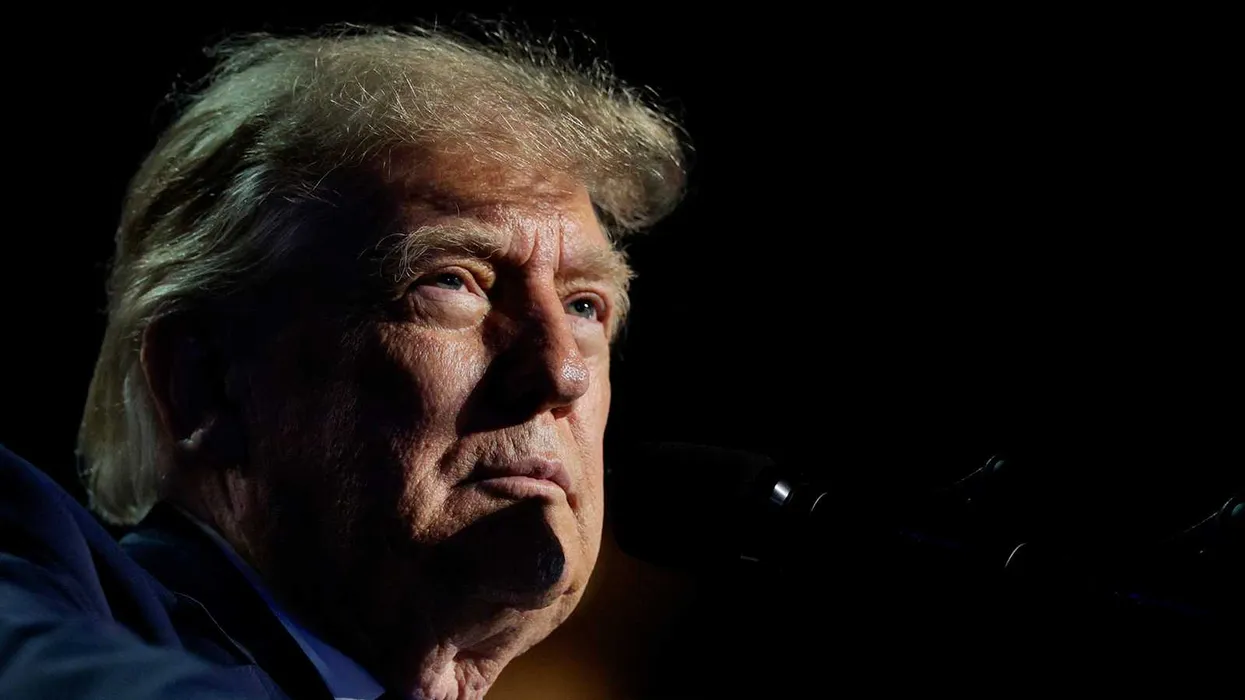
A central objective of President Donald Trump’s convention in Dallas, Texas, this week was to bring Republican strategists together with major donors and explain why they should invest more heavily in campaigns that analysts view as unwinnable.
According to Politico, donors met privately to discuss Trump’s strategy for the 2026 midterm elections and establish a unified message. The proposed approach centers on attacking Democrats and generating fear. Some donors, however, were reportedly unimpressed and believed Republicans needed to offer more.
Politico cited a July comment from Alex Latcham, president of the Senate Leadership Fund: “This needs to be an election about fear.”
“As both sides continue to move resources into redder territory, turning out the GOP base with dire warnings about Democrats becomes more important,” Politico reported. “In those states, the GOP may be able to stanch the bleeding simply by mobilizing their own voters in droves rather than persuading disaffected independents.”
Senate leaders held an event Wednesday to discuss funding that must be directed to red states such as Texas and Iowa, which Trump won by double digits just two years ago. Vice President JD Vance is traveling to deep-red Kansas because, for the first time in 90 years, a Republican senator could be defeated, the report said.
Sen. Roger Marshall (R-Ks.) is facing a church pastor in a race that has become unexpectedly competitive. The contest grew more difficult after Trump’s trade war with Canada targeted a business-jet manufacturer headquartered in Montreal that has more than 1,200 jobs in Kansas. Marshall complained to the White House and was told Republicans had to “own it.”
A Politico reporter overheard a Kansas convention attendee “bemoaning Marshall’s situation.” This week, a former two-term Republican governor of Kansas endorsed Marshall’s Democratic opponent.
At another meeting Thursday, Senate leaders sought to “ease donors’ concerns about” Trump’s policies and the possibility that they could produce heavy Republican losses in November. Two people who attended the private meeting and were “granted anonymity to discuss the private meeting” told Politico that the strategy again focused on attacking Democrats. One attendee recorded Vance’s remarks.
“We’ve got to nationalize this election. We’ve got to talk about all the crazy things Democrats are doing,” Vance said in the audio, according to Politico.
A senior GOP House operative said the party should make the election “a choice, not a referendum.” But the article said the contest had already become a referendum on Trump’s policies as Americans confront an affordability crisis and another war in the Middle East.
“Republicans would be well served to paint that choice in as clear terms as possible,” the operative said.
Bill Riggs, a spokesperson for Americans for Prosperity Action, which is funded by the Koch brothers’ fortune, told Politico: “The right strategy is not just to attack the other side and attack those policy proposals. You need to do that, but it’s not going to be enough. You also have to provide a credible alternative to voters that they trust. Driving that contrast is where we’re continuing to advocate.”
Republicans have controlled the House, Senate and White House for two years, potentially making it more difficult for them to criticize the opposing party’s policies.
One argument promoted by the White House has been to associate Democrats with the Democratic Socialists of America and socialism. During this week’s convention, however, Republicans shifted their attacks on the left from “socialist” to “communist.” One reporter and author said historical precedent suggested that strategy would “backfire.”
Trump also faces a contradiction in attacking socialism and communism while proposing $5,000 stimulus checks for Americans, which critics said was itself an example of socialism.
“That drew private eyerolls from some Republicans who said the proposal directly clashes with their effort to paint the midterms as a choice between commonsense Republicans and socialist Democrats,” Politico reported.
One House Republican official said, “We’re supposed to be fighting socialism. This seems a lot like socialism.”
“It’s not enough just to defend,” said Michigan GOP candidate Mike Bouchard, who is running in a battleground district. “We must advance, and to do that, we must have real solutions.”
