Trump Administration Faces Recession Warning as Economic Indicators Weaken and Social Service Cuts Deepen
Key Takeaways
- •The U.S. economy grew only 1.5 percent in the latest quarter, well below the approximately 3 percent annual rate economists consider indicative of healthy expansion.
- •Consumer confidence as measured by the University of Michigan Consumer Sentiment index is approaching historic lows last seen during the 2022 inflation surge, while real purchasing power remains essentially flat for most workers.
- •The administration's "Big Beautiful Bill" has caused millions of Americans to lose health coverage and food assistance, according to the Center for American Progress, with food banks in states such as Texas reporting sharply rising demand.
- •Military conflict in Iran has triggered a global energy crisis and sent gasoline prices upward, further burdening American households.
- •Waldman contends that Trump's campaign promises that inflation would disappear and tariffs would produce a manufacturing boom have not been fulfilled, risking the administration's economic credibility.
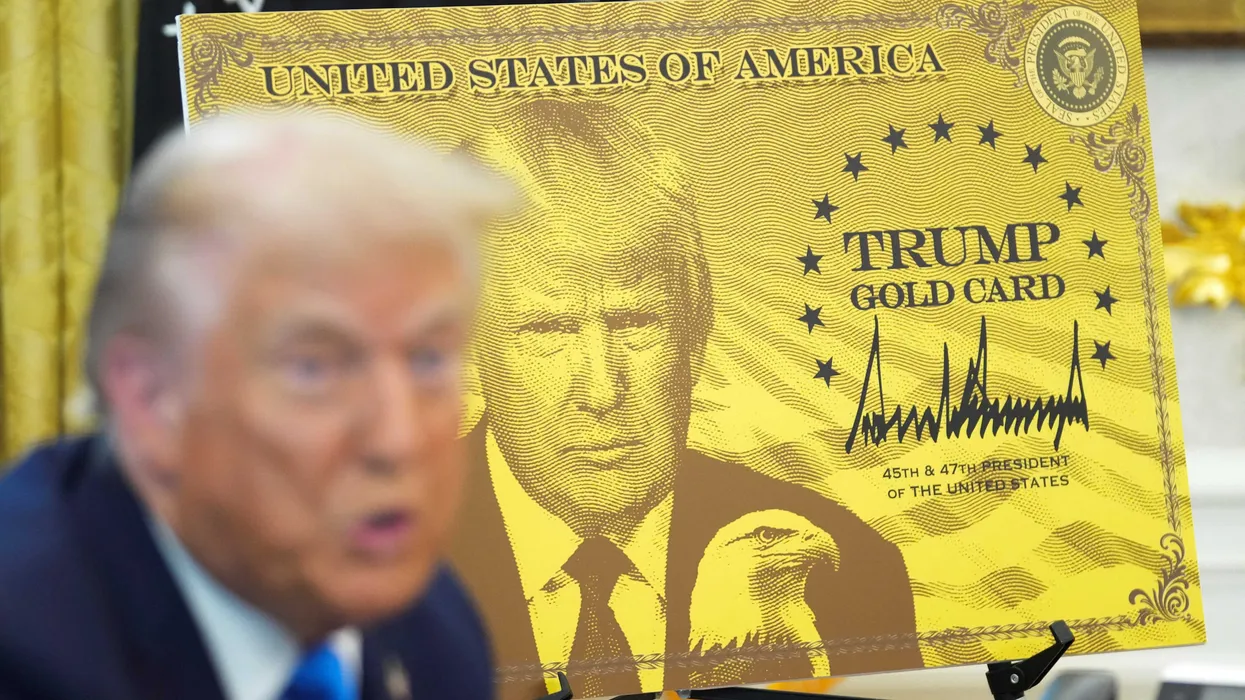
President Donald Trump has received a stark warning that his self-proclaimed economic "Golden Age" may be approaching its end, according to an analysis by Paul Waldman published Sunday on MS NOW.
The White House website currently declares in all caps that Americans are living in a "GOLDEN AGE," but Waldman argued that the lived reality for many citizens tells a very different story. "There is one room in Washington where a 'golden age' exists," Waldman wrote. "The Oval Office, into which Trump has crammed gilded junk onto every wall and into every corner." The New York Times has previously documented the extensive gold decor Trump has installed in the presidential office.
The latest Commerce Department GDP figures show the U.S. economy grew just 1.5 percent in the last quarter, well below the roughly 3 percent annual rate that economists typically consider consistent with a healthy expansion and a level dangerously close to what analysts describe as stall speed. Wage growth remains neck-and-neck with inflation, leaving real purchasing power essentially flat for most workers, and consumer confidence is approaching an all-time low. The University of Michigan Consumer Sentiment index, one of the most closely watched barometers of household economic mood, last hit historic lows during the inflation surge of 2022.
"It's not a recession," Waldman warned. "For now." A recession is commonly defined as two consecutive quarters of negative GDP growth, though the National Bureau of Economic Research uses a broader set of indicators including employment and income.
His analysis comes amid significant cuts to social services under the administration. "The Republicans' Big Beautiful Bill is causing millions to lose health coverage and food assistance, while food banks struggle to meet demand," he wrote. The Center for American Progress has reported on the coverage losses, and food banks across Texas have sounded alarms over rising demand.
"To top it off, his absurd war in Iran created a global energy crisis and sent gas prices spiraling upward," Waldman added.
New York Times columnist Nicholas Kristof recently interviewed residents in Republican-leaning states and documented the real-world impact of the administration's cuts. Trinity Goodman, an Oklahoma resident, reported having less than $4 in her checking account. She sells blood plasma twice weekly and regularly struggles to obtain toilet paper because it is not covered by SNAP benefits.
"Live in my shoes for one day," Goodman challenged Trump. "You wouldn't be able to handle it."
Waldman noted that Trump's voters have not forgotten his campaign promises. "In the story he told, inflation would disappear (it hasn't), tariffs would bring a manufacturing boom (they haven't), and everyone would thank him for creating such boundless prosperity," he wrote. Core inflation, which excludes volatile food and energy prices, has proven sticky across major developed economies even as headline rates moderated from their 2022 peaks.
Instead, Waldman argued, Americans have witnessed the presidency of a "real estate developer, TV personality and purveyor of small-time grifts." He warned that the administration's economic narrative risks losing credibility if it continues to diverge from everyday experience.
"Since people experience the economy in their own lives, the picture the White House paints has to have at least some relationship to reality," Waldman concluded. "If it doesn't, Americans may decide that not only can't they trust what the administration says, but that the president has no idea what he's doing."

